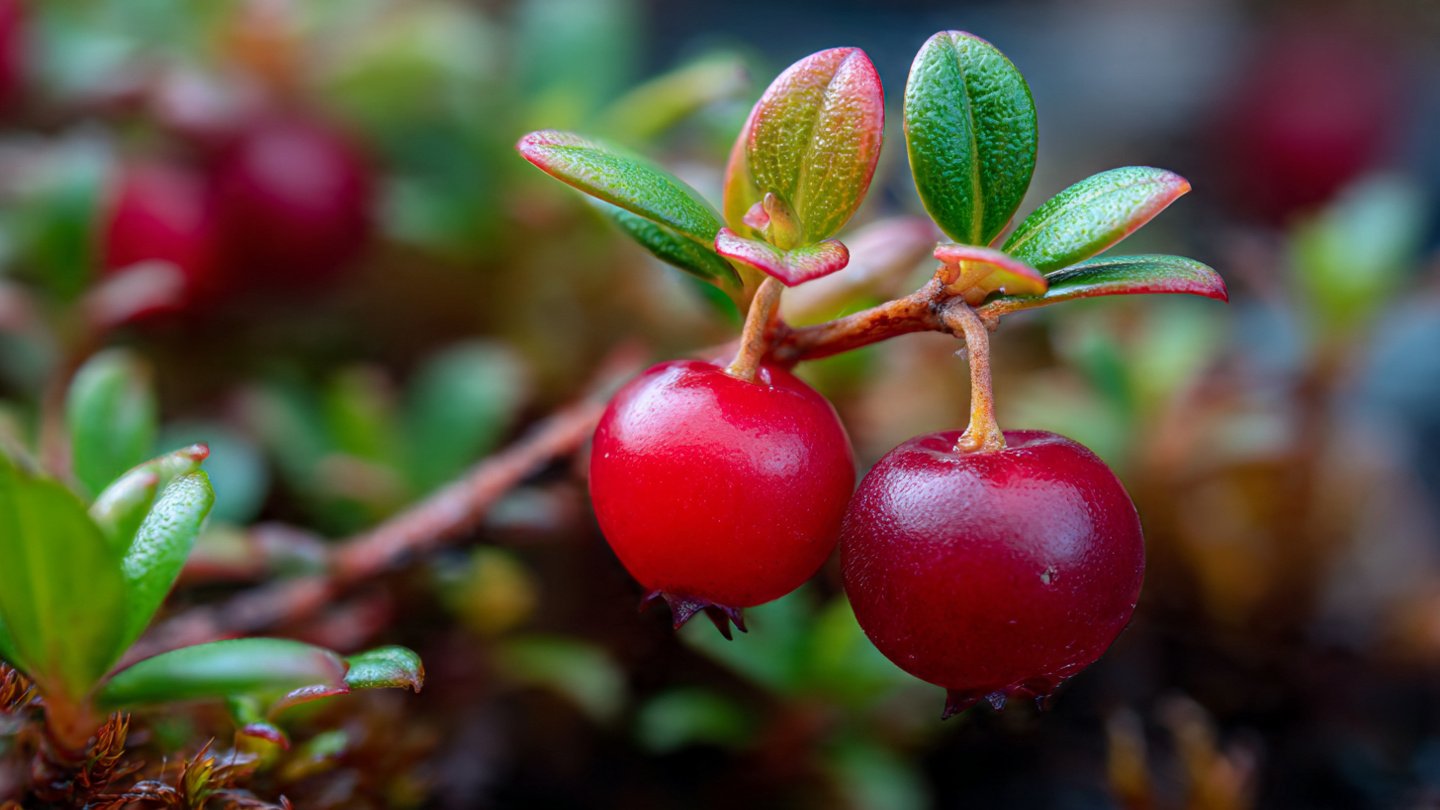
Cranberries are one of the most cherished fruits in Canada, renowned for their tart flavor and health benefits. With a rising interest in local produce and an increasing demand for organic crops, cranberry farming has gained popularity among Canadian growers. This guide will delve into the essential strategies, techniques, and best practices for successfully cultivating cranberries in Canada.
Understanding Cranberry Cultivation
The Cranberry Plant
Cranberries (Vaccinium macrocarpon) grow on low-lying vines that thrive in acidic soil, with a natural preference for marshy, sandy areas. The plants produce flowers in late spring, which lead to crimson berries by late summer and fall. Canada’s cooler climate provides ideal conditions for cranberry growth, particularly in regions like British Columbia, Quebec, and Manitoba.
Ideal Growing Conditions
Cranberries flourish in well-drained, acidic (pH 4.5-5.5) soil. They require:
- Moisture: Adequate water is essential, especially during the growing season.
- Sunlight: Full sun for at least six hours a day.
- Temperature: Ideal daytime temperatures between 20-25°C (68-77°F) and nighttime temperatures between 10-15°C (50-59°F).
Preparing for Cranberry Farming
Site Selection
When choosing a site for cranberry cultivation, consider:
- Soil Quality: Test the soil for pH and nutrient content. Amendments may be necessary to create a suitable environment.
- Water Source: Ensure availability of clean, fresh water, as cranberries need it for irrigation, especially during dry spells.
- Drainage: Good drainage is essential to avoid root rot.
Equipment Needed
For a successful cranberry farm, you’ll need:
- Soil Test Kits: To analyze soil properties.
- Watering Systems: Sprinklers or drip irrigation systems.
- Harvesting Tools: Water reels or mechanical harvesters for efficient collection.
Planting Cranberries
Planting Time
The best time to plant cranberry vines is in early spring or late fall, when the ground is thawed or cooled sufficiently.
Planting Techniques
- Preparation: Clear the area of debris and weeds. Use a rototiller to prepare the soil.
- Bed Formation: Create raised beds (12-18 inches) to enhance drainage.
- Planting: Space plants 18-36 inches apart. Plant in rows to facilitate maintenance and harvesting.
Water Management
Irrigation Practices
Cranberries require consistent moisture, particularly during flowering and fruiting. Here are some strategies:
- Drip Irrigation: Efficient and minimizes water waste.
- Flood Irrigation: An ancient method effective during early fall harvesting when water is flooded over the vines, allowing for easier berry collection.
Frost Protection
Cranberries are susceptible to frost damage. Use overhead irrigation or frost protection cloths during cold snaps to protect the plants.
Nutrient Management
Fertilization
Cranberries need specific nutrients for optimal growth:
- Nitrogen: Essential for vine growth, apply in early spring.
- Phosphorus: Important for root development, typically applied before planting.
- Potassium: Increases fruit size and quality, apply during the growing season.
Regular soil testing will help determine the specific nutrient needs and adjustments for your cranberry crop.
Pest and Disease Management
Common Pests
- Cranberry Fruitworms: Use organic insecticides or introduce beneficial insects to manage populations.
- Leaf Spot Disease: Fungal infection that can be mitigated with proper spacing and airflow.
Integrated Pest Management (IPM)
Adopt IPM practices to minimize chemical use:
- Monitoring: Regularly inspect plants for signs of pests or diseases.
- Cultural Practices: Promote healthy growing environments through crop rotation and soil health improvements.
Harvesting Cranberries
Timing Your Harvest
Cranberries should be harvested when they reach optimum ripeness, indicated by their full color and bounce (they should bounce when dropped).
Harvesting Techniques
- Wet Harvesting: Flood the fields and use a mechanical harvester or specially designed rakes. This method is efficient and helps minimize damage to the plants.
- Dry Harvesting: Gather berries from dry ground using hand-held tools or small harvesters.
Post-Harvest Handling
Sorting and Packaging
After harvesting, cranberries need to be sorted and packaged. Good practices include:
- Cleaning: Remove any debris or damaged berries.
- Packaging: Use breathable packaging to maintain freshness.
Storage
Cranberries can be stored in cool, dry conditions for several months. For longer storage, consider freezing or drying them.
Marketing Your Cranberries
Understanding Your Market
Research local markets, grocery stores, and online platforms to understand demand and pricing.
Branding
Develop a brand that highlights organic and sustainable practices, which can draw health-conscious consumers.
Networking
Participate in local farmers’ markets and agricultural fairs to promote your cranberries and connect with potential buyers.
Expert Tips for Successful Cranberry Farming
- Regular Monitoring: Keep a close watch on plant health and environmental conditions.
- Continuous Learning: Stay updated with the latest research and techniques in cranberry cultivation.
- Community Engagement: Join local agricultural groups or online forums to share experiences and gain insights.
Frequently Asked Questions (FAQs)
1. Can cranberries be grown in containers?
Yes, dwarf varieties can be grown in containers. Ensure the container has adequate drainage and suitable soil conditions.
2. How long does it take for cranberry plants to bear fruit?
Typically, cranberries will start producing fruit within 2-3 years after planting.
3. What is the best time of year to plant cranberries?
Early spring or late fall offers the best conditions for planting cranberry vines.
4. Is organic cranberry farming feasible?
Yes, with careful management of pests and diseases, organic cranberry farming is entirely feasible and can yield a good market price.
5. How do I know if my soil is suitable for cranberries?
Conduct a soil test to check pH and nutrient levels. Amend the soil to reach the ideal conditions if necessary.
6. What challenges can arise in cranberry farming?
Challenges may include pest infestations, disease management, and ensuring consistent moisture levels.
7. Can I grow cranberries in a cold climate?
Cranberries are well-suited to cold climates and may thrive in Canadian winters if properly managed.
8. How should I care for my cranberry plants during winter?
Ensure adequate moisture, consider mulching to protect roots, and avoid nitrogen applications during the winter months.
By following these guidelines and employing best practices, you will be well-equipped to embark on your cranberry growing journey in Canada. With passion, patience, and persistence, you can cultivate an abundant harvest that is both rewarding and profitable.