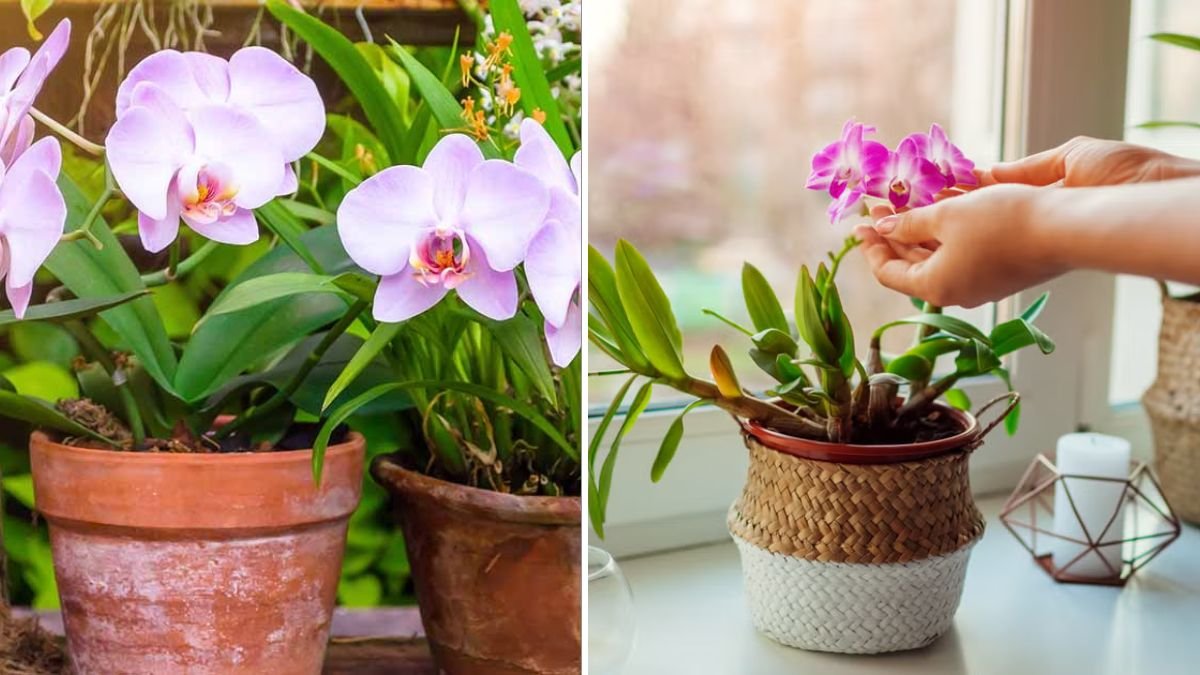
Orchids are often regarded as the crown jewel of houseplants, and among them, the Dendrobium orchids stand out for their vibrant blooms and varied species, making them a favorite for both beginners and expert horticulturists. If you’re looking to bring a touch of elegance and exotic beauty to your home, this guide will equip you with everything you need to know about successfully growing Dendrobium orchids right on your windowsill.
Understanding Dendrobium Orchids
Dendrobium orchids belong to the family Orchidaceae and are one of the largest genera of orchids. They are incredibly diverse, with around 1,800 species, ranging from miniature plants to larger varieties that can reach several feet in height. Some key characteristics of Dendrobium orchids include:
- Variability: Many Dendrobium species have different growth habits, flower shapes, and colors.
- Cultural Requirements: Dendrobiums have specific needs regarding light, temperature, humidity, and watering.
- Flowering: They typically bloom once a year for a period of several weeks to months, depending on the species.
Choosing the Right Dendrobium Orchid
When selecting a Dendrobium for your windowsill, consider the following factors:
- Species: Popular species for home cultivation include Dendrobium nobile, Dendrobium phalaenopsis, and Dendrobium kingianum. Choose one that fits your space and light conditions.
- Size: Make sure to select a size that is appropriate for your windowsill space. Compact varieties are excellent for limited areas.
- Placement: Assess your windowsill’s orientation. South-facing windows provide the most light, while east or west-facing windows offer a good balance of indirect sunlight.
Essential Growing Conditions
1. Light
Dendrobium orchids thrive in bright, indirect sunlight. Direct sunlight can scorch the leaves, leading to damage. The optimal light conditions are:
- East-facing Windows: Ideal for morning sunlight.
- West-facing Windows: Provide late afternoon light, but ensure to filter the intensity.
- South-facing Windows: Can work, but you may need to use sheer curtains to diffuse the light.
Using grow lights can also help supplement natural sunlight, especially in the winter months.
2. Temperature
Temperature is crucial for the health of your Dendrobium orchids:
- Day Temperatures: Aim for 70-85°F (21-29°C).
- Night Temperatures: 60-65°F (15-18°C).
A difference between day and night temperatures can encourage blooming.
3. Humidity
Dendrobium orchids prefer humidity levels between 40-70%. You can increase humidity using the following methods:
- Pebble Trays: Place a tray of water and pebbles beneath the pot; the evaporation will increase local humidity.
- Misting: Lightly mist the leaves, but do not overdo it, as standing water can lead to rot.
- Humidity Monitors: Use a hygrometer to keep track of humidity levels.
4. Watering
Proper watering is one of the most critical aspects of growing Dendrobium orchids. Follow these guidelines:
- Frequency: Water when the top inch of the potting medium feels dry. Typically, this means watering every week to 10 days.
- Method: Water thoroughly and ensure the pot drains well. Avoid letting the plant sit in water, as this can lead to root rot.
- Winter Dormancy: Some Dendrobium species enter a dormant phase in winter and may require reduced watering. Adjust accordingly.
5. Potting Medium
Dendrobium orchids grow best in well-draining potting media. A mix specifically designed for orchids is ideal, typically containing components like:
- Bark: Provides excellent aeration and drainage.
- Perlite: Helps retain moisture while still offering drainage.
- Sphagnum Moss: Can retain moisture but should be used sparingly to avoid root rot.
6. Fertilization
Fertilizing Dendrobium orchids correctly supports healthy growth and vibrant blooms:
- Type: Use a balanced orchid fertilizer, typically a 30-10-10 (NPK) formula, or one formulated specifically for orchids.
- Frequency: Fertilize every two weeks during the growing season (spring and summer) and reduce to once a month during dormancy (fall and winter).
7. Pruning
Regular pruning helps to maintain the shape of your Dendrobium and promotes blooming. Here’s how to do it:
- When to Prune: After the blooming season, trim back dead or yellowing pseudobulbs.
- Cutting: Use sterilized pruning shears to cut at an angle.
- Forcing Blooms: If your plant is established, you can prune back a portion of new growth to encourage blooming.
Common Pests and Diseases
Dendrobiums are susceptible to certain pests and diseases, but with the right vigilance and care, you can keep them at bay:
- Common Pests: Aphids, mealybugs, spider mites, and scale can all affect orchids. Regularly inspect your plants and treat any infestations with insecticidal soap or neem oil.
- Diseases: Fungal and bacterial infections can occur, usually from overwatering or poor air circulation. Ensure your pots have adequate drainage and maintain good air flow around plants.
Troubleshooting Problems
Leaf Yellowing
- Causes: Over-watering, underwatering, or nutrient deficiencies may lead to yellowing leaves.
- Solutions: Adjust your watering schedule and assess your fertilization regime.
Lack of Blooms
- Causes: Insufficient light, inadequate temperature fluctuations, or improper fertilization.
- Solutions: Increase light exposure and ensure a suitable day/night temperature differential.
Seasonal Care Tips
Summer
- Increased watering and humidity may be required.
- Ensure some afternoon shade to prevent leaf scorch.
Fall
- Prepare for dormancy by slightly reducing watering and fertilization frequency.
- Watch for pest infestations as plants may become stressed.
Winter
- Maintain lower temperature and humidity levels.
- Water less frequently given the plant’s dormant state.
Spring
- Increase watering and resume regular fertilization.
- Repot if necessary to encourage healthy growth.
Conclusion
Growing Dendrobium orchids on your windowsill can be a rewarding endeavor, whether you’re just starting or have a green thumb. With these guidelines, you’ll be well-equipped to nurture these beautiful plants, ensuring not only survival but also the vibrant blooms that make them so beloved.
FAQs
1. How often should I repot my Dendrobium orchid?
Repotting every 2-3 years is generally sufficient unless you notice the potting medium breaking down or the plant outgrowing its pot.
2. Can Dendrobium orchids thrive in low-light conditions?
While they can tolerate some low-light conditions, Dendrobiums prefer bright, indirect light for optimal health and blooming.
3. What should I do if my Dendrobium isn’t blooming?
Check for appropriate light levels, inspect for pests, and ensure you’re providing proper nutrients and care.
4. Are Dendrobium orchids toxic to pets?
Dendrobium orchids are considered non-toxic to pets, but it’s always best to discourage them from chewing on houseplants.
5. Can I grow Dendrobium orchids outdoors?
Yes, in suitable climates, Dendrobium orchids can thrive outdoors during warmer months. Just ensure they have protection from extreme temperatures and direct sunlight.
By following this comprehensive guide, both beginners and experienced gardeners should find success in cultivating Dendrobium orchids, turning their homes into botanical paradises filled with stunning blooms.