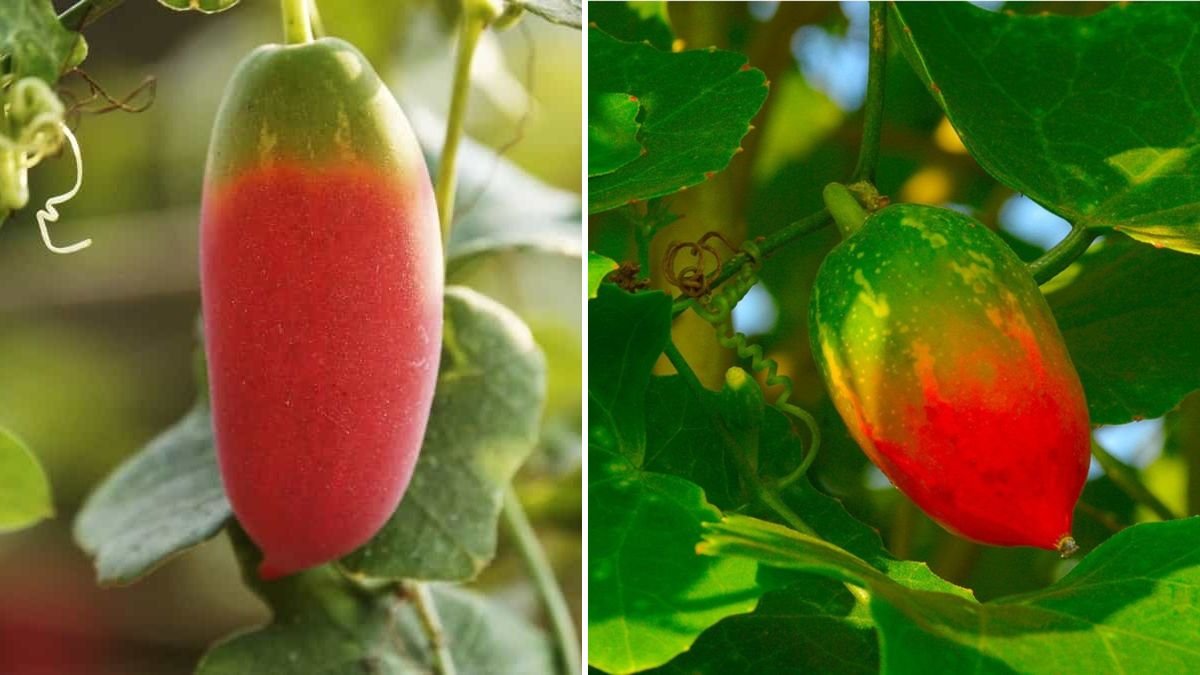
Ivy gourd (Coccinia grandis), also known as baby watermelon or tindora, is a fast-growing vine beloved for its vibrant green foliage and delicious, nutritious fruits. Originally native to Asia, ivy gourd has gained popularity in gardens worldwide, not only for its aesthetics but also for its culinary value. In this comprehensive guide, we will delve into the various aspects of successfully growing ivy gourd creepers, covering everything from soil preparation to pest management.
1. Understanding Ivy Gourd
1.1 Botanical Characteristics
Ivy gourd is a perennial vine that can reach lengths of up to 10 meters (32 feet). It produces heart-shaped leaves and small, white to yellow flowers, which are self-pollinating. The fruits, resembling small cucumbers, start out green and mature to a bright red-orange color. They are best harvested when still green and immature for culinary use.
1.2 Nutritional Benefits
Ivy gourd is renowned for its health benefits. It’s low in calories while high in fiber, vitamins A and C, and essential minerals. The leaves and fruits are often used in salads, stir-fries, and traditional medicines.
2. Choosing the Right Location
2.1 Sunlight Requirements
Ivy gourd thrives in full sunlight, requiring at least 6-8 hours of direct sunlight daily. A sunny location will promote vigorous growth and improve fruit production.
2.2 Space Considerations
Creepers can take over considerable space due to their sprawling nature, so it’s important to allocate enough room for them to spread. Utilizing trellises can be an excellent way to optimize vertical space in your garden.
3. Soil Preparation
3.1 Ideal Soil Type
Ivy gourd prefers well-draining, loamy soil enriched with organic matter. A slightly acidic to neutral pH (5.5 to 7.5) is ideal for optimal growth.
3.2 Soil Amendments
Before planting, amend the soil with compost or well-rotted manure to enhance fertility. Adding perlite or sand can improve drainage in heavier soils.
3.3 Testing Soil Quality
A soil test can help you ascertain nutrient levels and pH. This information is crucial for tailoring soil amendments to meet the specific needs of ivy gourd.
4. Planting Ivy Gourd
4.1 Seedlings vs. Seeds
You can start ivy gourd from seeds or seedlings. While seeds may take longer to germinate, they are often more cost-effective. If you choose to use seedlings, ensure they are healthy and robust.
4.2 Planting Time
In temperate regions, the best planting time is in spring after the last frost. In tropical regions, planting can occur year-round, but the rainy season is typically preferred.
4.3 Planting Technique
- Spacing: Plant seeds or seedlings 2-3 feet apart in rows spaced about 4-5 feet apart.
- Depth: Plant seeds about 1-inch deep; seedlings should be planted at the same depth they were grown in the nursery.
- Watering: Water thoroughly after planting to establish roots.
5. Caring for Ivy Gourd Creepers
5.1 Watering Requirements
Ivy gourd plants prefer consistently moist but not waterlogged soil. Water regularly, especially during dry spells, ensuring the soil stays damp but well-drained.
5.2 Fertilization
Apply a balanced fertilizer every 4-6 weeks. A high-nitrogen fertilizer can be beneficial during the early growth stage, while a phosphorus-rich formula can support blooming and fruiting.
5.3 Pruning
Pruning is essential to ensure healthy growth and abundant fruiting. Regularly trim back overgrown vines and remove dead or yellowing leaves. This will improve air circulation and reduce disease risk.
6. Supporting Your Ivy Gourd Vines
6.1 Trellising
Using trellises or vertical supports will encourage upward growth, minimize ground pests, and make harvesting easier. Ensure the trellis is sturdy enough to support the weight of the mature plants.
6.2 Training Vines
Gently guide the vines onto the trellis as they grow. This can be done by tying them loosely with garden twine or using soft clips designed for plant support.
7. Pest and Disease Management
7.1 Common Pests
Ivy gourd can be susceptible to several pests, including:
- Aphids: Tiny insects that can cause leaf curl and stunted growth.
- Spider Mites: Cause fine webbing and yellowing leaves.
- Whiteflies: Result in yellowing and dropping leaves.
Management Strategies
- Introduce beneficial insects like ladybugs.
- Use insecticidal soap or neem oil for severe infestations.
7.2 Diseases
Common diseases affecting ivy gourd include powdery mildew and root rot.
Disease Management
- Ensure proper airflow.
- Avoid overhead watering to prevent fungal infections.
- Remove affected plant parts immediately.
8. Harvesting Ivy Gourd
8.1 Harvesting Time
Fruits can be harvested when they are still green and approximately 2-4 inches long. Harvesting at this stage ensures a tender texture and sweet flavor.
8.2 Harvesting Technique
Use a pair of scissors or shears to cut the fruit from the vine, avoiding damage to the plant. Wearing gloves can also prevent irritation from the sap.
9. Culinary Uses of Ivy Gourd
Ivy gourd is versatile in the kitchen. Here are some popular culinary uses:
- Stir-Fries: Cooked quickly with spices and other vegetables.
- Salads: Freshly sliced or lightly blanched in salads.
- Curries: As a savory addition to various curry dishes.
10. FAQs
10.1 How long does it take for ivy gourd to grow?
Ivy gourd typically takes about 60-70 days to produce fruit after planting.
10.2 Can ivy gourd grow in pots?
Yes, ivy gourd can be grown in containers. Ensure the pot is large enough (at least 5 gallons) and has adequate drainage.
10.3 Is ivy gourd invasive?
Ivy gourd can be invasive in some regions due to its rapid growth. Control its spread by maintaining your garden and removing unwanted seedlings.
10.4 What are the best companion plants for ivy gourd?
Companion planting with legumes, such as beans, can benefit ivy gourd as these plants enhance soil nitrogen levels. Avoid planting near brassicas, as they may compete for nutrients.
10.5 Can I eat the leaves and flowers of ivy gourd?
Yes! Both the leaves and flowers of ivy gourd are edible and can be used in salads, stir-fries, and various dishes.
Conclusion
Growing ivy gourd in your garden can be a rewarding experience, providing both aesthetic appeal and nutritional benefits. With its rapid growth, delicious taste, and adaptability, ivy gourd can thrive in a variety of conditions with the right care. By following the guidelines outlined in this ultimate guide—from selecting the right site and soil to managing pests—your journey to successfully cultivating ivy gourd will be both enjoyable and fruitful. Happy gardening!