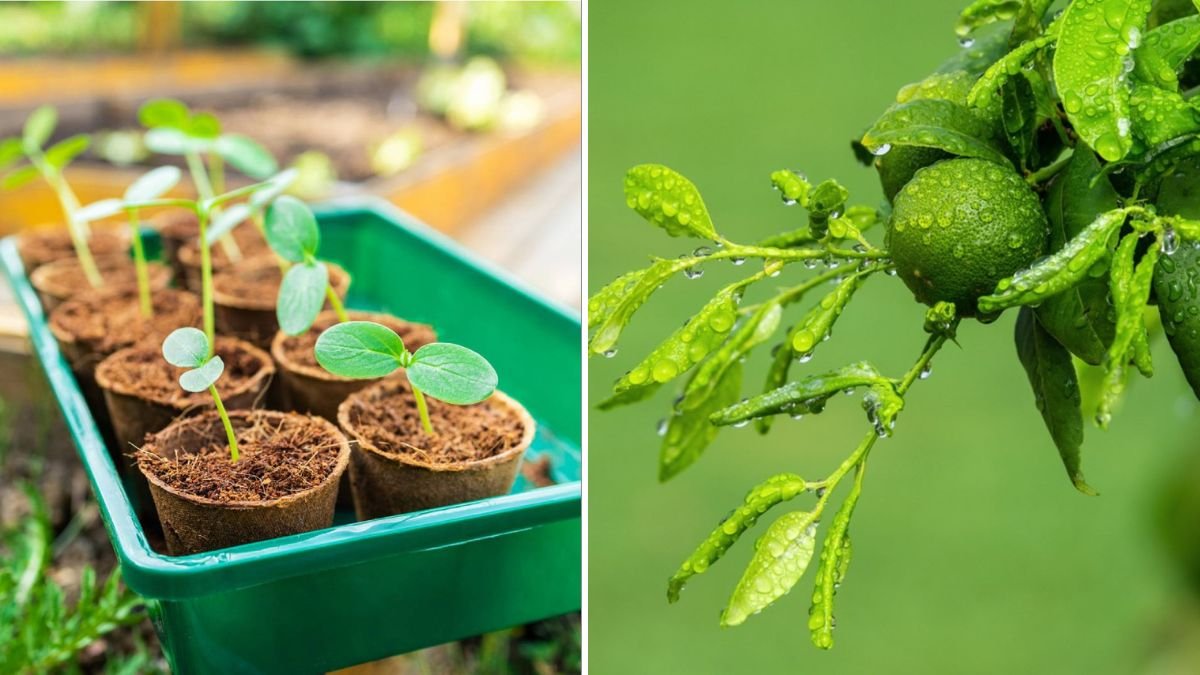
Growing lime trees from seed can be a rewarding experience, whether you’re a beginner or an experienced gardener. Limes are not only delicious and versatile fruits but also make beautiful decorative trees for your garden or home. This guide will provide you with all the necessary steps, from seed selection to harvesting fruit, along with common FAQs to help you on your journey.
Table of Contents
- Why Grow Lime Trees?
- Choosing the Right Lime Variety
- Gathering Supplies
- Preparing and Soaking Seeds
- Sowing Seeds
- Growing Conditions
- Transplanting
- Ongoing Care and Maintenance
- Common Pests and Diseases
- Harvesting Limes
- FAQs
1. Why Grow Lime Trees?
Lime trees not only yield fruits that can enhance your culinary adventures, but they also have aesthetic appeal. The fresh, fragrant flowers and glossy leaves can beautify any space. Additionally, growing your own lime trees can lead to a better understanding of plant care and nurturing, making it an educational experience.
2. Choosing the Right Lime Variety
There are several lime varieties you can choose from, each with its unique characteristics:
- Persian Lime (Citrus × latifolia): This is the most common lime variety for commercial cultivation. It’s seedless and has a thicker skin.
- Key Lime (Citrus aurantiifolia): Known for its small size and distinctive tart flavor, key limes are often used in desserts like key lime pie.
- Kaffir Lime (Citrus hystrix): This variety is valued for its fragrant leaves, which are a staple in Thai cuisine, though its fruit is not commonly consumed.
Choose a variety that suits your taste preferences and culinary needs.
3. Gathering Supplies
Before you begin, make sure you have the following supplies:
- Fresh lime seeds (preferably organic)
- Seed trays or pots
- Potting mix (well-draining)
- Plastic wrap or a humidity dome
- Water
- Labels (optional for organization)
- Fertilizer (optional)
4. Preparing and Soaking Seeds
To increase your success rate, start with fresh seeds. If you’re using seeds from store-bought limes, follow these steps:
-
Extract the Seeds: Carefully remove the seeds from the lime, rinse them under running water to remove any pulp, and pat them dry.
-
Soak the Seeds: Place the seeds in a bowl of water and let them soak for 24 hours. This softens the seed coat and can improve germination rates.
5. Sowing Seeds
-
Fill the Pots or Seed Trays: Use a well-draining potting mix to fill your pots or seed trays. Leave about half an inch from the top to prevent overflow when watering.
-
Sow the Seeds: Plant the soaked seeds about half an inch deep in the soil. Space them a few inches apart to allow for growth.
-
Water Gently: Moisten the soil without soaking it, ensuring good seed-to-soil contact.
-
Cover: If you’re in a dry climate, consider covering the pot with plastic wrap to maintain humidity. Alternatively, use a humidity dome.
6. Growing Conditions
Lime trees flourish in warm, sunny environments. To provide the best conditions:
- Light: Place the pots in a location that gets at least 8 hours of sunlight daily. If natural light is limited, consider using grow lights.
- Temperature: Limes prefer temperatures between 70°F and 85°F (21°C and 29°C). Protect them from cold drafts and frost.
7. Transplanting
Once the seeds have germinated (which can take 2-4 weeks), and the seedlings are about 4 inches tall, you can transplant them into larger pots:
-
Prepare Larger Pots: Fill new pots with well-draining soil.
-
Gently Remove Seedlings: Be careful not to damage roots when removing seedlings from the original pot.
-
Transplant: Plant the seedlings in larger pots, burying them at the same depth they were in the seed trays.
-
Water: Moisten the new soil to encourage root establishment.
8. Ongoing Care and Maintenance
Watering
Keep the soil consistently moist but not waterlogged. A general routine might include:
- Water deeply when the top inch of soil feels dry.
- Reduce watering in winter when the tree’s growth slows.
Fertilizing
Lime trees benefit from regular feeding, especially during the growing season. Use a balanced, slow-release fertilizer formulated for citrus trees every 6-8 weeks.
Pruning
Lightly prune to maintain shape and encourage airflow. Remove dead or crowded branches to prevent disease.
9. Common Pests and Diseases
Be vigilant for common pests and diseases that may affect your lime tree:
- Aphids: These small insects can be treated with neem oil or insecticidal soap.
- Spider Mites: Regularly mist the leaves to prevent and eliminate spider mites.
- Scale: These pests can be removed with a cotton ball dipped in alcohol.
Fungi can also pose a threat, so ensure good airflow and avoid overcrowding. Consider using fungicides if needed.
10. Harvesting Limes
Typically, lime trees start producing fruit 3-4 years after planting. Harvest limes when they are firm, glossy, and have reached their mature size. The best way to determine ripeness is to taste a lime; if it’s pleasantly tart and flavorful, it’s ready for picking.
11. FAQs
1. How long does it take for lime seeds to germinate?
Lime seeds typically germinate within 2-4 weeks, depending on conditions such as temperature and moisture.
2. Can I grow lime trees indoors?
Yes, lime trees can be successfully grown indoors as long as they receive sufficient light. Consider placing them in a south-facing window or using grow lights.
3. Do lime trees need a pollinator?
Most lime trees are self-pollinating, so you don’t need a separate tree for pollination. However, having multiple trees may increase fruit yield.
4. What should I do if my lime tree isn’t producing fruit?
Ensure your lime tree gets enough sunlight, water, and nutrients. It might also take several years before the trees start producing fruit.
5. Are lime trees sensitive to temperature changes?
Yes, lime trees prefer warm conditions and can be sensitive to frost. If you live in a colder climate, bring them indoors during winter.
6. How do I know when to fertilize my lime tree?
Fertilize during the growing season, which is typically spring and summer. Yellowing leaves can also indicate a nutrient deficiency.
7. Can lime trees survive winter?
Lime trees are generally frost-sensitive. In cooler climates, consider bringing your tree inside or wrapping it with plant blankets during colder months.
8. What type of soil do lime trees prefer?
Lime trees thrive in well-draining soil, preferably with a pH between 6.0 and 7.0.
9. How often should I water my lime tree?
Water your lime tree when the top inch of the soil feels dry. Adjust your watering frequency based on the season and climate.
10. Can I grow lime trees from store-bought limes?
Yes, you can grow lime trees from seeds found in store-bought limes, but germination rates may be lower, and the quality can vary.
Conclusion
Growing lime trees from seed can be an enriching experience, providing the joy of caring for a plant and the reward of fresh, zesty limes right from your garden. By following this guide, beginners and enthusiasts alike can navigate the journey from seed to fruit-bearing tree. With patience, care, and attention, you’ll reap the benefits of your hard work and enjoy the many uses of your homegrown limes. Happy gardening!