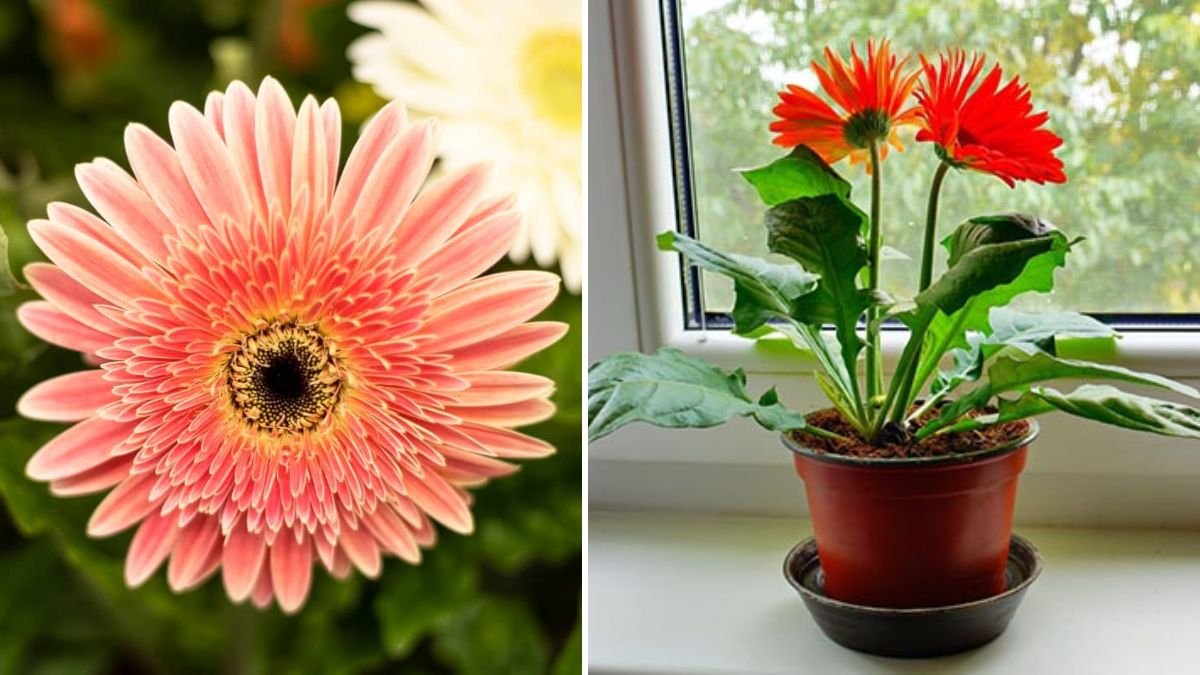
Gerbera daisies are beloved for their vibrant colors and cheerful presence in gardens and homes alike. Among the various types, mini gerberas, with their compact size and stunning blooms, are particularly popular for container gardening. This guide will provide you with everything you need to know to successfully grow mini gerbera daisies in pots. From choosing the right potting mix to pest management, read on to learn how to cultivate these delightful flowers.
1. Understanding Mini Gerbera Daisies
Mini gerbera daisies (Gerbera jamesonii) are a sub-species of the larger gerbera plant. Known for their smaller size—typically growing to about 12-18 inches in height—their flowers can range in diameter from 2 to 4 inches. They come in a variety of colors, including pink, orange, red, yellow, and white, making them a popular choice for both gardens and indoor decor.
1.1 Features of Mini Gerberas
- Size: Compact and perfect for pots.
- Colors: A wide spectrum to choose from.
- Blooms: Continuous flowering from spring to fall under the right conditions.
1.2 Benefits of Growing Mini Gerberas in Pots
- Versatility: Ideal for balconies, patios, or bright indoor spaces.
- Mobility: Easy to move around for optimal sunlight or protection from adverse weather.
- Soil Management: Easier to control soil and drainage conditions.
2. Choosing the Right Pot
Selecting the right pot is crucial for the healthy growth of mini gerberas. Here are key considerations:
2.1 Size
Begin with a pot that is at least 6-8 inches deep and wide. Mini gerberas need space for their roots to grow.
2.2 Material
- Terracotta: Good for drainage but can dry out quickly.
- Plastic: Lightweight and retains moisture effectively.
- Ceramic: Durable and provides insulation for roots.
2.3 Drainage
Ensure the pot has drainage holes to prevent waterlogging. Gerberas do not tolerate soggy roots, which can lead to root rot.
3. Selecting the Right Potting Mix
Mini gerberas thrive best in a well-draining soil mix. Here’s what to include:
3.1 Components
- Pine Bark or Perlite: Improves drainage.
- Peat Moss: Retains moisture while still allowing drainage.
- Sand: Enhances aeration.
3.2 Recipe
A simple mix would be:
- 1 part peat moss
- 1 part perlite
- 1 part sand
3.3 pH Level
Aim for a soil pH of 6.0-6.5 for optimal growth.
4. Planting Mini Gerberas
4.1 Timing
The best time to plant mini gerberas is in spring after the last frost or in early summer for optimal growth and blooming.
4.2 Steps
- Prepare the Pot: Clean the pot and ensure proper drainage.
- Fill with Potting Mix: Fill the pot with your prepared potting mix.
- Planting Depth: Place the mini gerbera plant so that its crown is level with the soil surface.
- Watering: Gently water the plant to settle the soil.
5. Watering Requirements
5.1 Frequency
Water your mini gerbera when the top inch of soil feels dry. On average, this might mean every 5–7 days, but adjust based on your environment.
5.2 Method
Water at the base of the plant, avoiding wetting the leaves to prevent fungal diseases.
6. Light Requirements
Mini gerberas thrive in bright but indirect sunlight. Here are some tips:
6.1 Sunlight Exposure
- Indoors: Place near a south or west-facing window.
- Outdoors: Select a location that receives morning sun and afternoon shade.
6.2 Artificial Lighting
If growing indoors, consider using grow lights for 12-16 hours a day during the winter.
7. Fertilizing Mini Gerberas
7.1 Type of Fertilizer
Use a balanced, water-soluble fertilizer, preferably one intended for flowering plants. Look for a formula with equal ratios, such as 10-10-10 or 20-20-20.
7.2 Frequency
Fertilize every 4-6 weeks during the growing season (spring and summer) and reduce frequency in fall and winter.
8. Pruning and Deadheading
8.1 Purpose
Pruning helps encourage bushier growth and the removal of dead or wilted flowers promotes further blooming.
8.2 How To
- Deadheading: Cut off spent blooms just above the foliage.
- Pruning: Trim back any leggy or unhealthy growth to maintain a compact shape.
9. Pest and Disease Management
Mini gerberas can be susceptible to several pests and diseases. Here’s how to manage them:
9.1 Common Pests
- Aphids: Small insects that can be removed with neem oil or insecticidal soap.
- Spider Mites: Look for webbing; increase humidity or apply miticides.
- Whiteflies: Use sticky traps and insecticidal soap.
9.2 Diseases
- Powdery Mildew: Improve air circulation and avoid overwatering.
- Root Rot: Ensure proper drainage and avoid letting the plant sit in water.
10. Seasonal Care
10.1 Spring and Summer
- Monitor water needs and light exposure.
- Fertilize regularly.
10.2 Fall and Winter
- Reduce watering as growth slows.
- Move pots indoors if temperatures drop.
11. Propagation of Mini Gerberas
11.1 Division Method
- Divide the root clumps in spring.
- Replant in separate pots with new potting mix.
- Water well and monitor growth.
11.2 Seed Propagation
This method requires more time and patience, as gerbera seeds can take weeks to germinate.
FAQs
Q1: How often should I water my mini gerbera?
Water when the top inch of soil is dry, typically every 5-7 days, depending on your climate.
Q2: Can mini gerberas be grown indoors?
Yes, they can thrive indoors under the right light conditions, ideally near a south or west-facing window.
Q3: How long does it take for mini gerberas to bloom?
Generally, you can expect blooms to emerge within 10-14 weeks after planting, provided conditions are optimal.
Q4: Why are the leaves of my mini gerbera turning yellow?
Yellowing leaves can indicate overwatering, poor drainage, or nutrient deficiencies. Check all these aspects.
Q5: Can I use regular garden soil for mini gerberas?
It’s not recommended. Use a well-draining potting mix to ensure their roots do not sit in water.
Q6: How long do mini gerberas typically live?
With proper care, mini gerberas can live for several years, continuously producing beautiful blooms.
Conclusion
Growing mini gerbera daisies in pots is a rewarding endeavor that brings joy and color to your space. By following the steps outlined in this guide, you can cultivate healthy, vibrant plants that flourish in your care. Remember to monitor their needs and adjust your care practices accordingly. Happy gardening!