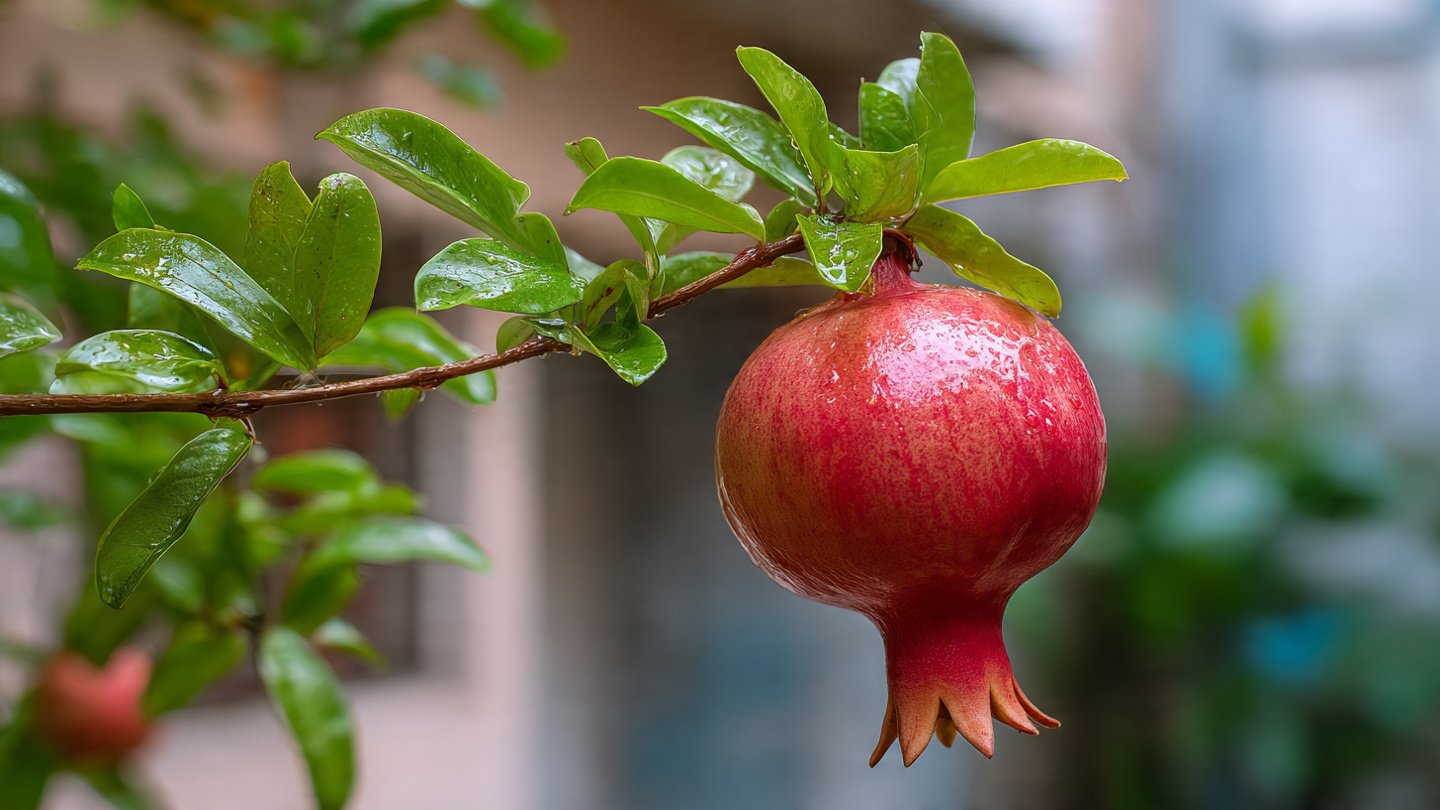
Pomegranates are not just delicious and vibrant fruits; they also come with a rich history and numerous health benefits. Growing pomegranates from seed can be a fulfilling experience, allowing you to cultivate your own tree or shrub right in your backyard. This guide will walk you through every step, from seed selection to care and maintenance, ensuring you achieve a thriving pomegranate plant.
Understanding Pomegranates
1. Historical Significance
Pomegranates have been cultivated for millennia, originating in the regions of modern-day Iran and surrounding areas. They have been a symbol of prosperity, fertility, and abundance across various cultures, including Greek mythology, where they represent the cycle of life and death.
2. Health Benefits
Rich in antioxidants, vitamins C and K, and dietary fiber, pomegranates are famous for their health benefits. They may help reduce inflammation, lower blood pressure, and even prevent certain types of cancer. Growing your own means not only enjoying their taste but also taking advantage of their nutritional benefits.
Choosing the Right Seeds
1. Seed Selection
When starting your pomegranate journey from seed, the selection of high-quality seeds is essential. Here are a few sources to consider:
- Fresh Pomegranate Fruit: The best option is to extract seeds from a ripe, organic pomegranate. Choose a fruit that is heavy and has a vibrant red color.
- Seed Suppliers: Purchase seeds from reputable nurseries or online retailers specializing in seeds to ensure quality.
2. Preparing the Seeds
Extract the seeds from the fruit by cutting it in half and gently scooping out the seeds. Rinse them under cool water to remove the surrounding pulp, which can inhibit germination. Allow the seeds to dry for a day or two before planting.
Germination Process
1. Soaking Seeds
To enhance germination, soak the seeds in water for 24 hours. This process helps to soften the hard seed coat and encourages sprouting.
2. Choosing a Growing Medium
Select a well-draining potting mix or seed starting mix that provides the right balance of moisture retention and drainage. Avoid heavy soils that can lead to root rot.
3. Planting the Seeds
- Container: Use a small pot or seed tray with drainage holes.
- Planting Depth: Plant seeds about 1/2 inch deep. Cover lightly with soil.
- Spacing: If using a tray, space the seeds at least 2 inches apart.
4. Watering
Once planted, water the seeds gently with a spray bottle or watering can with a fine spout. Ensure the soil is moist but not soggy. Covering the container with plastic wrap can help retain humidity during germination.
5. Light Conditions
Place the container in a warm area with indirect sunlight. Pomegranate seeds require temperatures of 70°F to 80°F (21°C to 27°C) for optimal germination. Seeds typically germinate within 2 to 6 weeks.
Transplanting Seedlings
Once your seedlings reach about 2 to 3 inches in height and have a few true leaves, it’s time to transplant them into larger pots or directly into your garden.
1. Hardening Off
Before transplanting outdoors, acclimate your seedlings to outdoor conditions. Begin by placing them outside for a few hours each day, gradually increasing their exposure to sunlight and wind over a week.
2. Site Selection
Choose a sunny spot in your garden, as pomegranates thrive in full sun (at least 6 to 8 hours of sunlight daily). Ensure the site has good drainage to prevent waterlogging.
3. Transplanting
- Dig a hole: Make a hole twice as wide as the root ball.
- Planting: Place the seedling in the hole and fill it with soil. Water thoroughly after planting.
Caring for Your Pomegranate Plant
1. Watering
Pomegranate trees prefer well-drained soil. Water them deeply but infrequently, allowing the top inch of soil to dry out between watering. Reduce watering in the winter months when the plant is dormant.
2. Fertilizing
Feed your pomegranate tree with a balanced fertilizer, ideally in early spring and again in mid-summer. Look for a fertilizer with an N-P-K ratio of 5-10-10. Follow the manufacturer’s guidelines for application rates.
3. Pruning
Prune your pomegranate tree during the dormant season (late fall to early spring). Remove any dead or crossed branches to promote healthy growth and air circulation. Light thinning will help shape the tree and improve fruit quality.
4. Pest and Disease Control
Pomegranates are relatively resistant to pests, but keep an eye out for aphids, spider mites, and pomegranate fruit flies. Use natural pest control methods when possible, such as neem oil or insecticidal soap. Ensure good air circulation to reduce the risk of fungal diseases.
Harvesting Your Pomegranates
1. Timing
Pomegranates typically ripen in late summer to early fall, depending on your climate. Harvest time will vary but usually occurs between September and November.
2. Signs of Ripeness
Look for the following indicators to know when to harvest:
- Color: Pomegranates should have a deep, vibrant color.
- Shape: The fruit should feel heavy for its size, indicating juicy arils inside.
- Sound: When tapped, ripe pomegranates make a metallic sound, indicating a full fruit.
3. Harvesting Technique
To harvest, use sharp pruners to cut the fruit from the tree, leaving a short stem attached. Be careful to avoid damaging the tree or other fruit.
FAQs
1. Can pomegranates be grown in containers?
Yes, pomegranates can be grown in large containers. Ensure the pot has good drainage and use a quality potting mix. Choose a dwarf variety for container growing.
2. How long does it take to grow a pomegranate from seed?
Growing a pomegranate from seed typically takes 3 to 6 years to produce fruit, depending on the growing conditions and care.
3. Are pomegranate trees cold-hardy?
Pomegranate trees are semi-tropical and can tolerate some cold but prefer warm temperatures. They can survive in USDA zones 7-10. If you live in a cooler climate, consider growing them in a pot for winter protection.
4. Do pomegranates self-pollinate?
Yes, pomegranates are self-pollinating, meaning you don’t need multiple trees for fruit production. However, planting more than one tree can enhance fruit quality and yield.
5. How can I increase the yield of my pomegranate tree?
To increase fruit yield, focus on providing adequate sunlight, water, and nutrients. Regular pruning and pest management also contribute to better fruit production.
Conclusion
Growing pomegranates from seed can be a rewarding endeavor, allowing you to enjoy fresh fruit right from your garden. By following the steps outlined in this guide – from seed selection to care and maintenance – you can cultivate a healthy pomegranate tree that enhances your garden’s beauty and bounty. With patience and proper care, your pomegranate plant will flourish, bringing sweet, juicy fruits to your table for years to come.