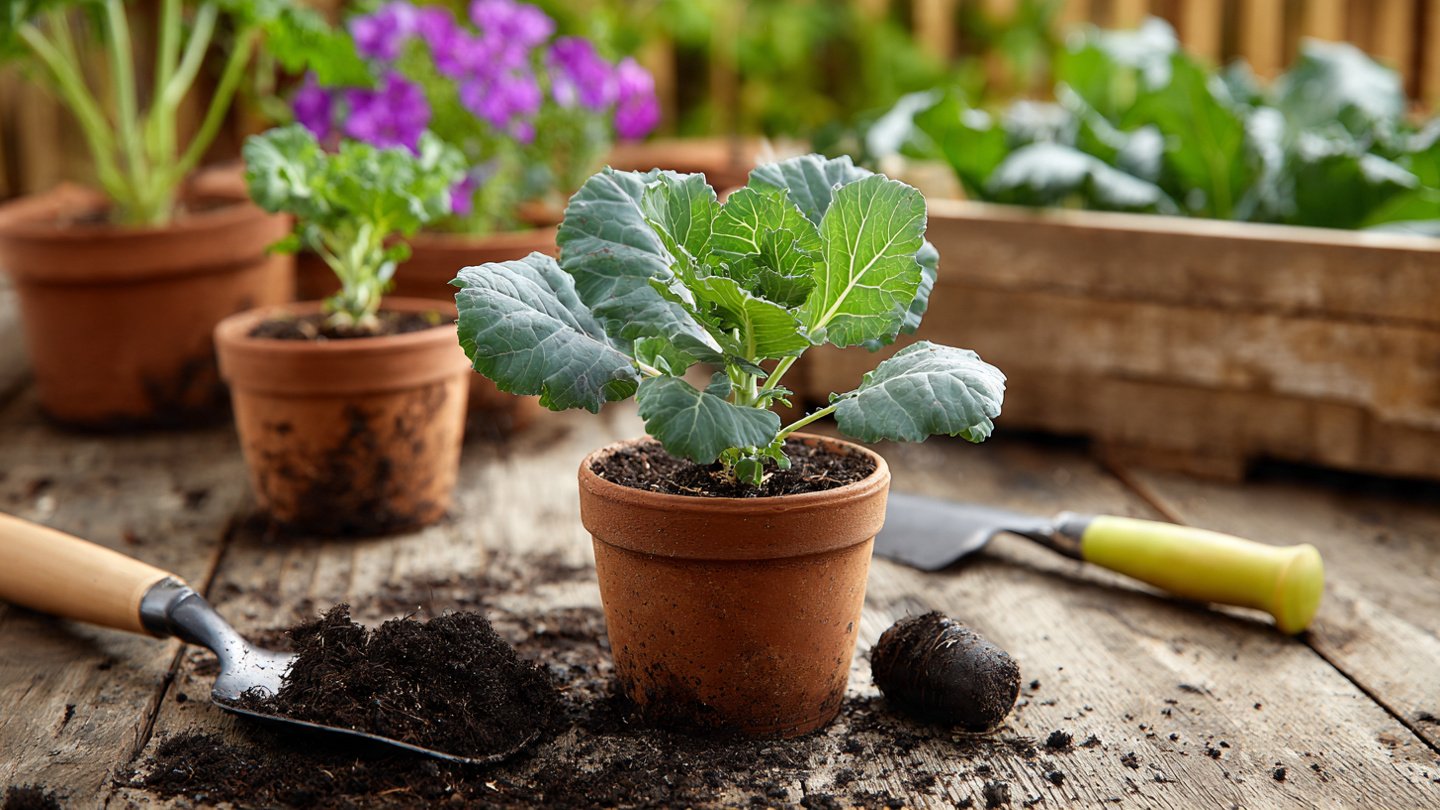
Growing vegetables in containers is becoming an increasingly popular way for gardeners, especially those with limited space, to cultivate their own food. One of the most visually striking and nutritious vegetables you can grow in containers is purple broccoli. This guide will take you through everything you need to know to grow healthy purple broccoli in containers, including planting, care, pest management, and harvesting.
What is Purple Broccoli?
Purple broccoli, also known as purple sprouting broccoli, is a brassica that belongs to the same family as cabbage, kale, and cauliflower. It features beautiful purple florets and green stems, offering a lovely contrast in any garden space. Aside from its aesthetic appeal, purple broccoli is rich in vitamins A, C, and K, making it a nutritious addition to your diet.
Choosing the Right Container
Before you start planting, it’s essential to select the right container:
Size Matters
- Depth: Choose a container that is at least 12-18 inches deep. Broccoli has deep roots, and a deeper container will provide the space necessary for root growth.
- Width: A pot that is at least 16-24 inches in diameter should suffice, allowing for adequate spacing between plants.
Material
- Plastic: Lightweight and typically retains moisture well.
- Clay: Attractive but can dry out quicker and may need more frequent watering.
- Metal: Attractive but can heat up and dry out the soil quickly, requiring diligent watering.
Drainage
Ensure your container has sufficient drainage holes at the bottom. If using a non-draining container, you can create drainage by adding a layer of gravel or small stones at the bottom to promote water flow.
Soil Requirements
The right soil mix is crucial for the successful growth of purple broccoli. Aim for:
- Well-Draining Soil: A quality potting mix that allows for good drainage is vital.
- Nutrient-Rich: Adding compost is a great way to enrich the soil. Look for a mix that is high in organic matter.
pH Level
Purple broccoli prefers slightly acidic to neutral soil, with a pH range of 6.0 to 7.0. You can test your soil with a pH tester and amend it as necessary using lime (to raise pH) or sulfur (to lower pH).
Planting Purple Broccoli
Timing
- Seeds: Start seeds indoors about 6-8 weeks before the last frost date. If you’re in a warmer climate, sow seeds directly in containers outdoors in spring.
- Transplants: You can purchase young plants from local nurseries. This may be easier for beginner gardeners.
How to Plant
- Preparation: Fill your chosen container with the potting mix, leaving about an inch of space at the top for watering.
- Sowing Seeds: If planting seeds, poke holes about ½ inch deep and place 2-3 seeds in each hole. Cover lightly with soil.
- Transplanting: If using transplants, make a hole slightly larger than the root ball and place the plant. Cover it with soil and press down gently.
Care and Maintenance
Watering
- Frequency: Purple broccoli requires consistent moisture. Water when the top inch of soil feels dry.
- Method: Water thoroughly until it begins to drain from the bottom. It’s better to water deeply and less frequently than to water lightly more often.
Fertilizing
- Type of Fertilizer: Use a balanced, all-purpose fertilizer or one specifically formulated for vegetables.
- Frequency: Fertilize every 4-6 weeks, following the manufacturer’s recommended rates.
Light Requirements
- Sunlight: Purple broccoli thrives in full sun. Aim for at least 6 hours of sunlight daily. If growing in a particularly hot climate, some afternoon shade can be beneficial.
Temperature
- Ideal Range: Purple broccoli grows best in cooler temperatures, ideally between 60-70°F (15-21°C). Protect your plants from extreme heat and frost.
Pest and Disease Management
Like any crop, purple broccoli can be susceptible to pests and diseases. Here are some management strategies:
Common Pests
- Aphids: Small, soft-bodied insects that can be removed with a strong spray of water or insecticidal soap.
- Cabbage Loopers: Green caterpillars that can be picked off by hand or treated with Bacillus thuringiensis (Bt).
- Whiteflies: Sticky traps or insecticidal soap can help manage these pests.
Diseases
- Downy Mildew: This fungal disease can be mitigated by ensuring good air circulation and avoiding overhead watering.
- Clubroot: A soil-borne disease that causes roots to swell. Prevent this by practicing crop rotation and using disease-resistant varieties.
Organic Solutions
Companion planting can help deter pests naturally. Consider planting garlic or marigolds around your purple broccoli to ward off unwanted critters.
Harvesting Purple Broccoli
Harvesting purple broccoli is crucial for ensuring the best flavor and texture. Here’s how to do it:
Timing
- Size: Harvest when the florets are firm and tightly closed. If flowers begin to open, it’s a sign that they’re past their prime.
- Age: Typically, purple broccoli is ready to harvest about 60-90 days after planting, depending on the variety.
How to Harvest
Use a sharp knife to cut the main head of broccoli at the base, leaving the stem intact. After harvesting the main head, smaller side shoots may develop that can also be harvested later.
FAQs
1. Can I grow purple broccoli indoors?
Yes, you can grow purple broccoli indoors as long as you provide sufficient light, either through natural sunlight or grow lights. Ensure good ventilation to prevent diseases.
2. How many purple broccoli plants can I grow in one container?
In a container with a diameter of 24 inches, you can typically grow 2-3 purple broccoli plants, allowing enough space for good air circulation.
3. What are the best companion plants for purple broccoli?
Companion plants like garlic, onions, and marigolds can help deter pests and promote healthy growth.
4. Can I grow purple broccoli in winter?
In milder climates, purple broccoli can be grown in winter, but in colder regions, you may need to use row covers or bring containers indoors to protect them from frost.
5. How can I tell if my purple broccoli is ready to harvest?
When the florets are tightly closed and firm, the broccoli is ready to harvest. Look for bright purple color, indicating ripeness.
6. What should I do if my plants start to flower?
If your purple broccoli starts to flower, it means it’s bolting, a natural response to stress or heat. Harvest immediately, as the flavor will decline once flowers open.
Conclusion
Growing purple broccoli in containers is a rewarding endeavor that brings both nutrition and beauty to your gardening experience. By following this guide, from choosing the right container to harvesting at the right time, you can enjoy a bountiful crop of this unique vegetable. Remember that patience is key, and with proper care, you’ll be well on your way to delighting in your homegrown purple broccoli!