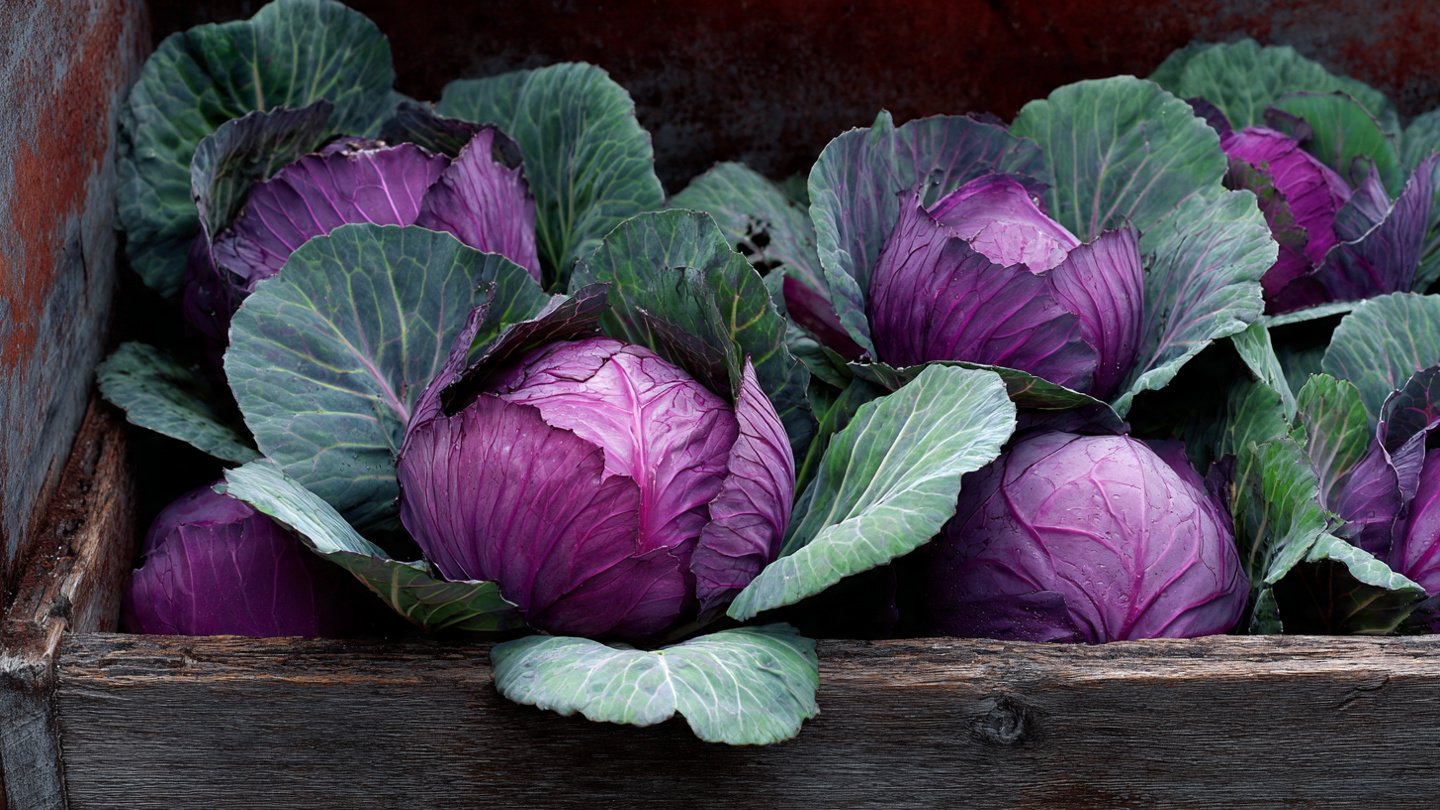
Growing vegetables in a container garden has become increasingly popular due to its flexibility and suitability for urban living. One of the most delightful vegetables to grow in containers is red cabbage. With its vibrant color and versatile culinary uses, red cabbage not only adds beauty to your garden but also nutrition to your meals. In this guide, you will explore everything you need to know about successfully growing red cabbage in a container garden, including optimal conditions, care tips, and troubleshooting common issues.
1. Understanding Red Cabbage
What is Red Cabbage?
Red cabbage, or purple cabbage, is a member of the Brassica family, which also includes broccoli, cauliflower, and Brussels sprouts. Unlike green cabbage, red cabbage has a distinctive purple hue and slightly peppery flavor. It’s rich in vitamins C and K, antioxidants, and dietary fiber, making it a great addition to salads, slaws, and cooked dishes.
Why Grow Red Cabbage in Containers?
There are several reasons to grow red cabbage in containers:
- Space Efficiency: Container gardening allows you to cultivate vegetables even in small spaces, such as balconies and patios.
- Soil Control: Containers let you control the soil quality, ensuring optimal growing conditions for your crops.
- Pest Management: Growing in containers can mitigate pest problems, as plants are elevated off the ground.
- Mobility: Containers can be moved to take advantage of optimal sunlight or protection from adverse weather.
2. Selecting the Right Container
Choosing the right container is crucial for the successful cultivation of red cabbage. Here are some factors to consider:
Container Size
Red cabbage requires space for its roots to expand. A container with a depth of at least 12 inches (30 cm) and a width of 12 inches (30 cm) is ideal. Larger containers holding 5 gallons (19 liters) or more can accommodate multiple plants.
Material
Containers come in various materials, including plastic, ceramic, wood, and metal. Plastic is lightweight and retains moisture well, while ceramic adds aesthetic value but can be heavy. Ensure that the container has drainage holes to prevent overwatering and root rot.
Mobility
If you plan to relocate your container based on weather conditions or sunlight, consider using lightweight containers or those with wheels for easy transportation.
3. Soil Preparation
Choosing the Right Soil
A well-draining, nutrient-rich potting mix is essential for growing red cabbage. Look for a mix specifically designed for vegetables that includes organic matter, such as compost or well-rotted manure, to enhance soil fertility.
Soil pH
Red cabbage prefers slightly acidic to neutral soil, with a pH between 6.0 and 7.0. Test your soil pH using pH testing kits available at garden centers. You can amend the soil with lime to raise pH or sulfur to lower it, if necessary.
Nutrient Addition
Before planting, mix slow-release organic fertilizer into the soil at the recommended rate. You can also add additional amendments like bone meal for phosphorus and greensand for potassium, which promote healthy growth.
4. Planting Red Cabbage
When to Plant
Red cabbage is a cool-season crop, best planted in early spring or late summer to avoid the heat of summer. If you’re in a warmer climate, aim for fall planting, as red cabbage can withstand light frosts.
Starting Seeds Indoors
- Timing: If starting from seeds, begin 6 to 8 weeks before the last frost date in your area.
- Seed Trays: Use seed trays or small pots filled with seed-starter mix.
- Sowing Seeds: Plant seeds about 1/4 inch deep and water gently.
- Transfer: Once seedlings have 2 to 3 true leaves, they can be transplanted into larger containers.
Direct Sowing
If you prefer to sow seeds directly in containers, wait until the threat of frost has passed. Plant 2 to 3 seeds per container, then thin them to one robust plant after they germinate.
5. Caring for Your Red Cabbage
Watering
Red cabbage requires consistent moisture, particularly during the growing season. Here are some watering tips:
- Frequency: Water deeply once or twice a week, depending on weather conditions. Ensure the top inch of soil is dry before watering again.
- Method: Use a soaker hose or watering can to water at the base of the plant, avoiding leaf wetness to reduce disease risk.
Fertilization
Apply a liquid fertilizer every three to four weeks during the growing season to provide the necessary nutrients. Look for fertilizers high in nitrogen to promote leafy growth.
Sunlight Requirements
Red cabbage thrives in full sun, requiring at least 6 to 8 hours of sunlight per day. Position containers in a location that receives ample sunlight, or supplement with grow lights if necessary.
Pest and Disease Management
Common pests include aphids, cabbage worms, and slugs. Consider the following methods for managing pests:
- Organic Pesticides: Use insecticidal soap or diatomaceous earth as natural deterrents.
- Companion Planting: Plant herbs or flowers that repel pests, such as marigolds or cilantro.
For diseases like black rot or downy mildew, ensure good air circulation and avoid overhead watering to minimize moisture on the leaves.
6. Harvesting Red Cabbage
When to Harvest
Red cabbage is usually ready for harvest 70 to 90 days after sowing, depending on the variety. The heads should be firm and have a deep purple color. Harvest when heads are fully formed but before they split.
Harvesting Technique
Use a sharp knife to cut the head off at the base, leaving a few outer leaves on the plant to protect any developing secondary heads. If the weather permits, cut on dry days to avoid excess moisture.
7. Storing Red Cabbage
Red cabbage can be stored for several weeks under ideal conditions:
- Refrigeration: Store heads in the crisper drawer of the refrigerator for maximum freshness.
- Preservation: For long-term storage, consider fermenting the cabbage or pickling it to enjoy throughout the year.
8. Troubleshooting Common Issues
Leaf Discoloration
- Yellow Leaves: May indicate overwatering or nutrient deficiency. Adjust watering habits and check soil nutrient levels.
- Purpling: If the leaves are purpling excessively, it can indicate a phosphorus deficiency. Utilizing a balanced fertilizer can help address this.
Pest Problems
If you notice pest infestations, act quickly. Regularly inspect your plants for signs, and apply organic treatments as necessary to keep your crops healthy.
FAQs
1. Can I grow red cabbage in a small container?
Yes, red cabbage can be grown in smaller containers, but ensure they are at least 12 inches deep to accommodate root growth. Ideally, use larger containers for better yield.
2. How often should I water red cabbage?
Water deeply once or twice a week, keeping the soil consistently moist but not waterlogged. Check the top inch of the soil to determine if watering is needed.
3. When should I fertilize my red cabbage?
Fertilize your red cabbage every three to four weeks during the growing season with a balanced liquid fertilizer high in nitrogen.
4. How can I prevent pests from harming my cabbage?
Regularly inspect your plants, use organic pesticides like insecticidal soap, and consider companion planting to deter pests naturally.
5. Can I grow red cabbage year-round in containers?
In suitable climates, you can grow red cabbage in the cooler months as it is frost-tolerant. In warmer areas, ensure you’re planting in the cooler seasons to avoid heat stress.
6. What is the best way to harvest red cabbage?
Harvest when heads are firm and fully developed. Use a sharp knife to cut the head off at the base, leaving some outer leaves to protect the plant.
Conclusion
Growing red cabbage in a container garden is a rewarding endeavor that offers both culinary and aesthetic benefits. By following this comprehensive guide, you will be well-equipped to grow healthy and vibrant red cabbage, regardless of the size of your gardening space. With the right care, you’ll enjoy a bountiful harvest that can be used in a variety of delicious recipes. Happy gardening!