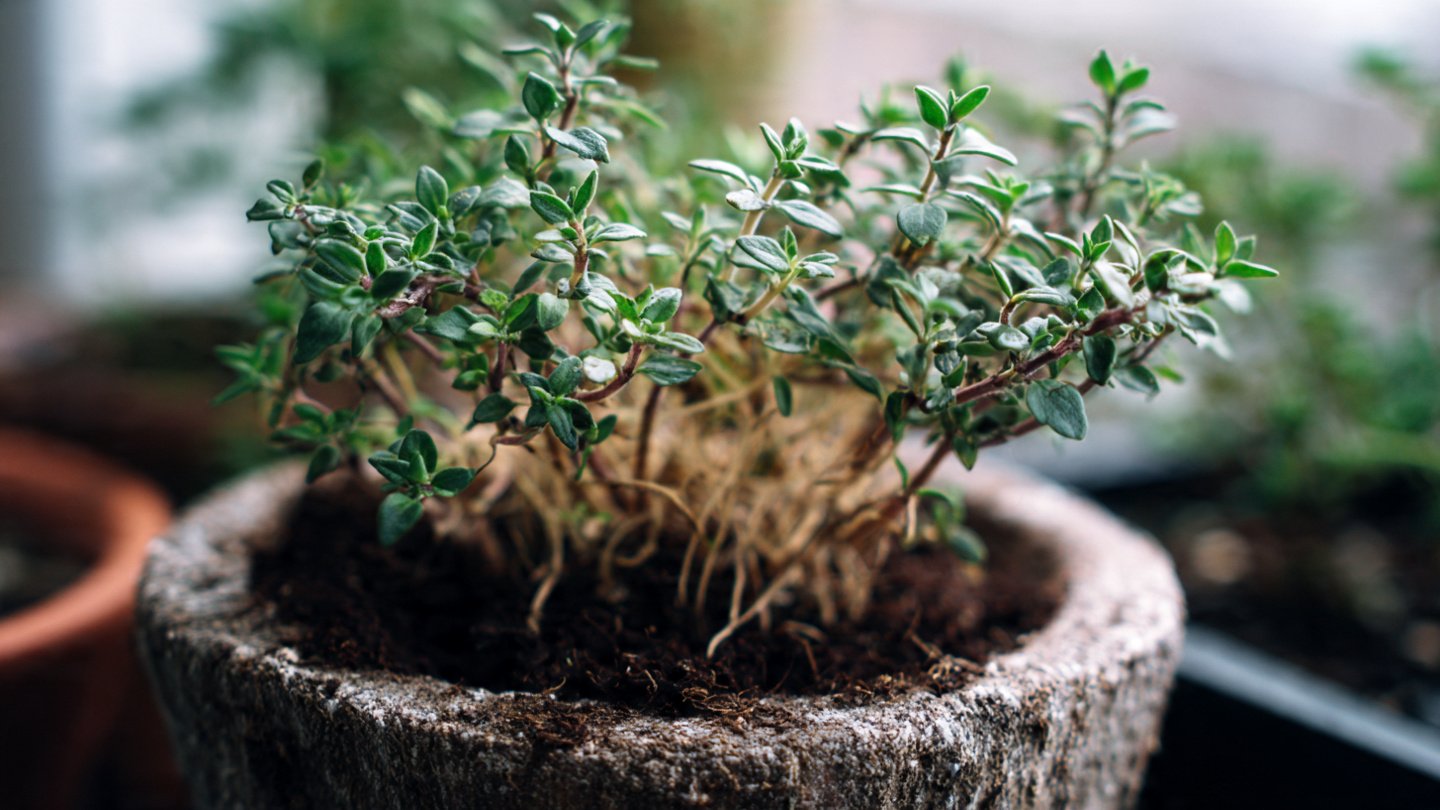
Thyme (Thymus vulgaris) is a versatile and aromatic herb beloved in kitchens around the world. Its resilient nature makes it an ideal candidate for indoor gardening, allowing herb enthusiasts to enjoy fresh thyme year-round. This guide will walk you through the easy techniques of rooting thyme indoors, ensuring you can cultivate this delightful herb successfully.
Understanding Thyme
Varieties of Thyme
Before diving into rooting techniques, it’s crucial to understand the different varieties of thyme. Common types include:
- English Thyme (Thymus vulgaris): A classic choice with a strong flavor.
- Lemon Thyme (Thymus x citriodorus): Delivers a citrusy kick, perfect for marinades.
- Creeping Thyme (Thymus serpyllum): A low-growing variety, ideal for ground cover or pots.
Each type has its unique characteristics, but they all share similar rooting needs.
Ideal Growing Conditions
Thyme thrives in specific conditions:
- Light: Requires 6-8 hours of sunlight per day. If natural light is limited, consider using grow lights.
- Temperature: Prefers temperatures between 60-70°F (15-21°C).
- Soil: A well-draining potting mix enriched with organic matter is best.
Techniques for Rooting Thyme Indoors
1. Propagation by Stem Cuttings
The most common method of rooting thyme indoors is through stem cuttings. Here’s how to do it effectively:
Step 1: Select Healthy Cuttings
- Choose stems that are healthy, about 4-6 inches long, and do not have flowers.
- Snip just below a node (the place where leaves emerge) using sterilized scissors to prevent disease.
Step 2: Prepare the Cuttings
- Remove the lower leaves from the cuttings, leaving a few leaves at the top. This encourages root growth and prevents rot.
Step 3: Use Rooting Hormones (Optional)
- While thyme often roots well without hormones, using a rooting hormone can enhance the success rate. Dip the cut end of the cutting into the hormone.
Step 4: Plant the Cuttings
- Fill a small pot with the well-draining potting mix and make a hole for each cutting. Insert the cuttings, ensuring the node is buried.
- Water the soil lightly to settle it around the cuttings.
Step 5: Provide the Right Environment
- Cover the pot with a plastic bag or plastic wrap to create a mini-greenhouse effect. This helps retain humidity.
- Place the pot in a bright location but out of direct sunlight until roots develop, usually within 2-4 weeks.
2. Propagation through Water
Rooting thyme in water is another straightforward method:
Step 1: Prepare the Cuttings
- Follow the same steps as above to select and prepare your cuttings.
Step 2: Place in Water
- Fill a clear container with water and place the cuttings so that the cut end is submerged while the leaves remain above water.
- Ensure the container has access to bright, indirect light.
Step 3: Change Water Regularly
- Change the water every few days to prevent stagnation and maintain oxygen levels for the cuttings.
Step 4: Transplanting to Soil
- Once the roots are 2-3 inches long, transplant the cuttings into pots filled with a well-draining potting mix.
3. Seed Propagation
If you prefer growing thyme from seeds, this is also possible, although it requires more patience:
Step 1: Choose Quality Seeds
- Purchase thyme seeds from a reputable source to ensure high germination rates.
Step 2: Prepare the Soil
- Use a seed-starting mix in a shallow container or seed tray. Moisten the soil before planting.
Step 3: Plant the Seeds
- Scatter the seeds on the surface of the soil and lightly press them in. Cover them with a thin layer of soil.
Step 4: Provide the Right Conditions
- Cover the container with plastic wrap to create humidity, and place it in a warm area with indirect light.
- Germination typically occurs within 2-3 weeks. Remove the plastic wrap once seedlings appear.
Step 5: Transplant Seedlings
- When seedlings develop two sets of true leaves, they can be transplanted into individual pots.
4. Care for Your Newly Rooted Thyme
Caring for your thyme after rooting is crucial:
- Watering: Keep the soil moderately moist, avoiding waterlogging. Allow the top inch of soil to dry out between waterings.
- Fertilization: Fertilize sparingly with a diluted liquid fertilizer every 4-6 weeks during the growing season.
- Pruning: Regularly pinch back the stems to encourage bushy growth.
Troubleshooting Common Issues
1. Root Rot
Symptoms: Wilting leaves, discolored, mushy roots.
Solution: Ensure your pot has good drainage and avoid overwatering.
2. Insufficient Growth
Symptoms: Slow growth or leggy plants.
Solution: Check light levels and adjust accordingly. Thyme needs at least 6 hours of sunlight.
3. Pest Infestation
Symptoms: Discolored leaves, visible insects (like aphids).
Solution: Isolate the affected plant and treat it with insecticidal soap or neem oil.
FAQs About Rooting Thyme Indoors
1. How long does it take to root thyme?
Rooting thyme from cuttings usually takes 2-4 weeks, while seed germination may take 2-3 weeks.
2. Can I grow thyme indoors all year round?
Yes, thyme can thrive indoors year-round with the right conditions, including adequate light and temperature.
3. What is the best time to take thyme cuttings?
Early spring is the best time to take cuttings, but you can root thyme anytime if the plant is healthy.
4. How much light does indoor thyme need?
Thyme requires 6-8 hours of bright, indirect sunlight daily. If natural light is insufficient, consider using grow lights.
5. Is thyme prone to any diseases?
Thyme can suffer from diseases like root rot, rust, and powdery mildew. Proper air circulation and well-draining soil can prevent these issues.
6. Can I use store-bought thyme for cuttings?
Yes, you can use fresh, healthy thyme from the store to start your cuttings, ensuring there are no signs of disease or pests.
7. How often should I water thyme?
Water thyme when the top inch of the soil is dry. Overwatering can lead to root rot, so ensure your pot has adequate drainage.
Conclusion
Rooting thyme indoors is a rewarding journey that not only yields fresh herbs but also enhances your indoor garden. By following the techniques outlined in this guide, you can cultivate healthy thyme plants year-round. With a bit of patience and care, you’ll enjoy the delightful aroma and flavor of fresh thyme in your culinary endeavors. Happy gardening!