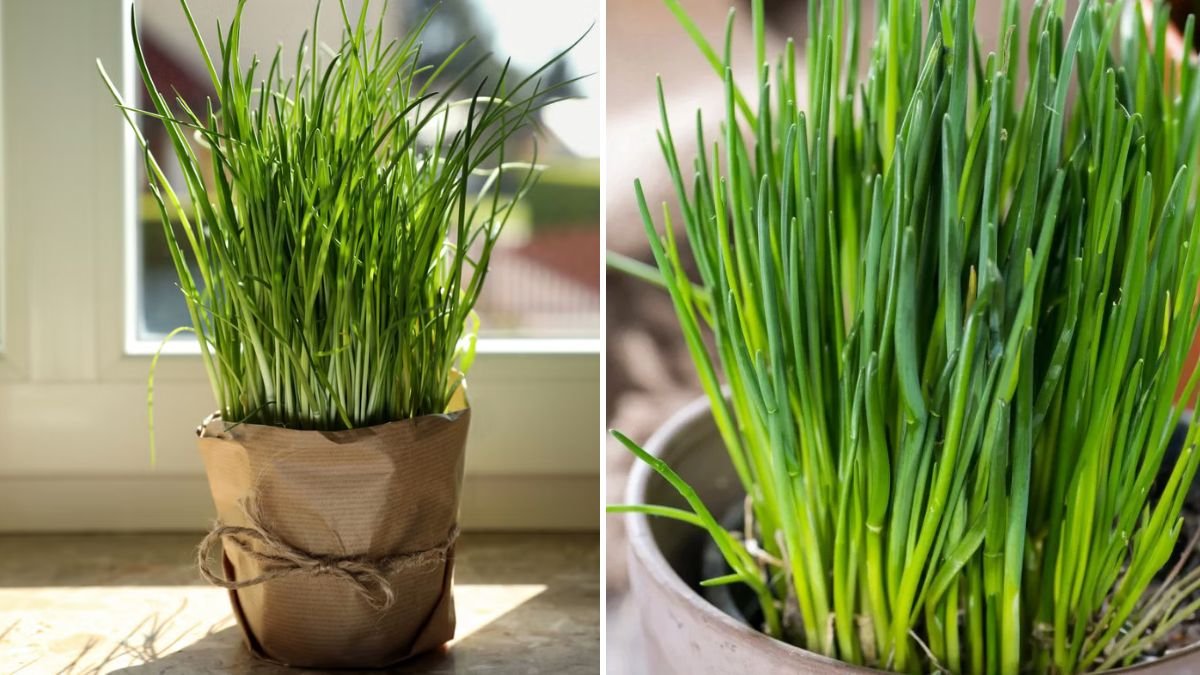
Chives are one of the easiest herbs to grow. They are beginner-friendly and low maintenance. Chives grow quickly in small spaces. They add mild onion flavor to dishes. Chives grow indoors and outdoors. They require minimal care. Fresh chives improve cooking quality. Plants regrow after harvesting. Understanding chive needs ensures continuous harvest. Growing chives is rewarding and practical.
Why Chives Are Easy to Grow
Chives adapt to various conditions. They tolerate cold and mild heat. Chives regrow quickly after cutting. They require little space. Pest problems are rare. Chives thrive in containers. They grow well indoors. Minimal fertilizer is needed. Regular watering supports growth. These traits make chives ideal for beginners.
Types of Chives
Common chives have thin green leaves. Garlic chives have broader leaves. Garlic chives produce white flowers. Both types are edible. Common chives taste mild. Garlic chives have stronger flavor. Flowering adds ornamental value. Choose based on taste preference. Both grow easily. Variety selection enhances use.
Choosing the Right Location
Chives need sunlight for best growth. Four to six hours is sufficient. Partial shade is tolerated. Indoor windowsills work well. Outdoor gardens also suit chives. Good airflow prevents disease. Avoid overly shaded areas. Easy access encourages harvesting. Location influences growth rate. Proper placement ensures healthy plants.
Soil Requirements for Chives
Chives prefer loose soil. Well-draining soil prevents root rot. Compost improves fertility. Slightly acidic to neutral soil is best. Heavy clay soil should be amended. Containers require drainage holes. Healthy soil supports leaf growth. Soil quality affects flavor. Preparation improves success.
Growing Chives from Seeds
Seeds are economical. Sow shallowly in soil. Keep soil moist until germination. Seeds sprout in one to two weeks. Thin seedlings after growth. Seed-grown chives take time. Patience is required initially. Strong roots develop slowly. Seeds offer variety choices. Seed starting is simple.
Growing Chives from Division
Division is the easiest method. Separate mature clumps. Replant immediately. Divided plants grow faster. Roots establish quickly. This method ensures success. Plants remain identical. Division rejuvenates old plants. Regular dividing improves yield. Gardeners prefer this method.
Watering Chive Plants
Chives prefer consistent moisture. Soil should not dry out completely. Avoid waterlogging. Containers dry faster. Check moisture regularly. Morning watering is ideal. Proper watering improves leaf texture. Stress reduces growth. Balanced watering ensures lush leaves.
Fertilizing Chives
Chives require light feeding. Compost works well. Avoid heavy fertilizers. Too much nitrogen weakens flavor. Feed during active growth. Liquid organic fertilizer is effective. Indoor chives benefit from monthly feeding. Balanced nutrition supports regrowth. Minimal feeding is sufficient.
Harvesting Chives Correctly
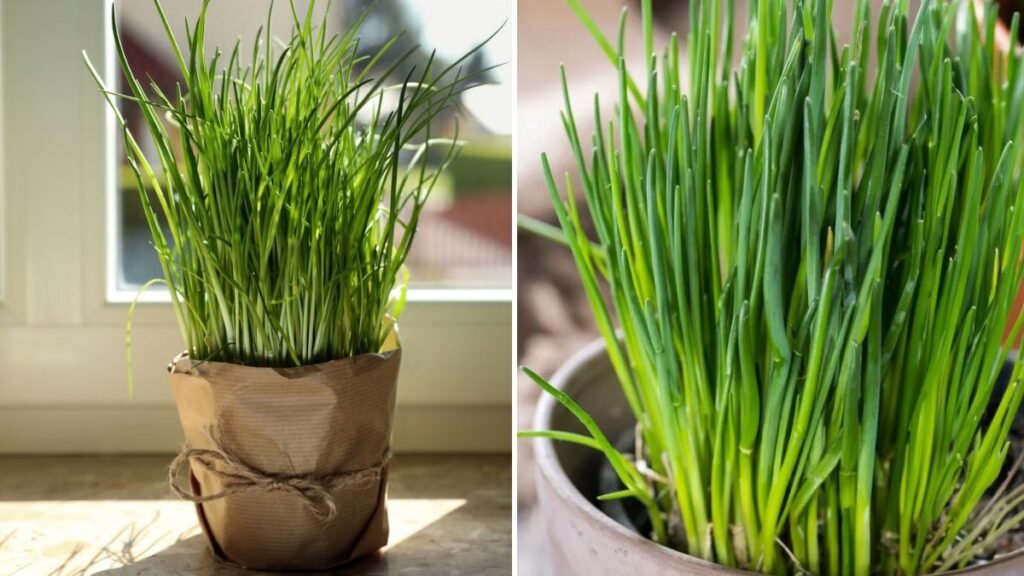
Harvest chives by cutting leaves. Cut near the base. Leave some growth for regrowth. Avoid pulling plants out. Regular harvesting encourages growth. Use clean scissors. Harvest frequently for tenderness. Flower buds should be removed. Proper harvesting improves yield.
Growing Chives in Pots
Pots are ideal for chives. Choose medium-sized containers. Ensure drainage holes. Use light soil mix. Place in sunlight. Containers allow easy movement. Indoor pots grow year-round. Pot growing suits small spaces. Chives thrive in containers.
Growing Chives Indoors
Indoor chives need bright light. Windowsills are suitable. Rotate pots for even growth. Water regularly. Indoor air can dry soil. Humidity helps growth. Harvest regularly. Indoor chives grow slower. Consistent care ensures success.
Growing Chives Outdoors
Outdoor chives grow vigorously. Plant in garden beds. Space plants properly. Mulch retains moisture. Outdoor plants grow larger. Cold tolerance allows overwintering. Perennial nature benefits gardeners. Outdoor chives attract pollinators. Garden placement enhances growth.
Chive Flowers and Their Benefits
Chive flowers are edible. They attract bees. Flower buds indicate maturity. Removing flowers improves leaf growth. Flowers add beauty. Edible flowers enhance dishes. Flowering does not harm plant. Use flowers creatively. Chives offer ornamental value.
Common Pests and Diseases
Chives rarely suffer pests. Aphids may appear occasionally. Neem oil controls pests. Good airflow prevents disease. Overwatering causes rot. Healthy plants resist problems. Clean tools prevent spread. Monitoring ensures early detection. Prevention is simple.
Winter Care for Chives
Chives survive cold weather. Outdoor plants go dormant. Mulching protects roots. Indoor chives grow slowly. Reduce watering in winter. Dormancy is natural. Spring brings regrowth. Cold tolerance is beneficial. Winter care ensures longevity.
Dividing Chives for Better Growth
Divide plants every few years. This prevents overcrowding. Fresh growth emerges. Division improves vigor. Replant divisions easily. Sharing plants is possible. Healthy clumps produce more leaves. Regular division maintains health. Long-term care is simple.
Common Mistakes When Growing Chives
Overwatering causes root rot. Poor light reduces growth. Overfertilizing weakens flavor. Ignoring harvesting slows regrowth. Crowded plants struggle. Learning mistakes improves results. Observation helps adjustment. Simple care avoids problems. Chives are forgiving plants.
Table: Chives Growing Guide
| Aspect | Best Practice | Result |
|---|---|---|
| Sunlight | Partial to full | Healthy leaves |
| Watering | Consistent moisture | Fast regrowth |
| Soil | Loose and fertile | Strong roots |
| Harvesting | Regular cutting | Continuous yield |
| Fertilizer | Light feeding | Better flavor |
Final Thoughts on Growing Chives
Chives are easy and rewarding. They suit all gardeners. Minimal care produces fresh herbs. Indoor and outdoor options exist. Regular harvesting improves growth. Healthy soil and water are key. Chives enhance cooking naturally. They grow year-round with care. Beginners gain confidence quickly. Chives are perfect starter herbs.