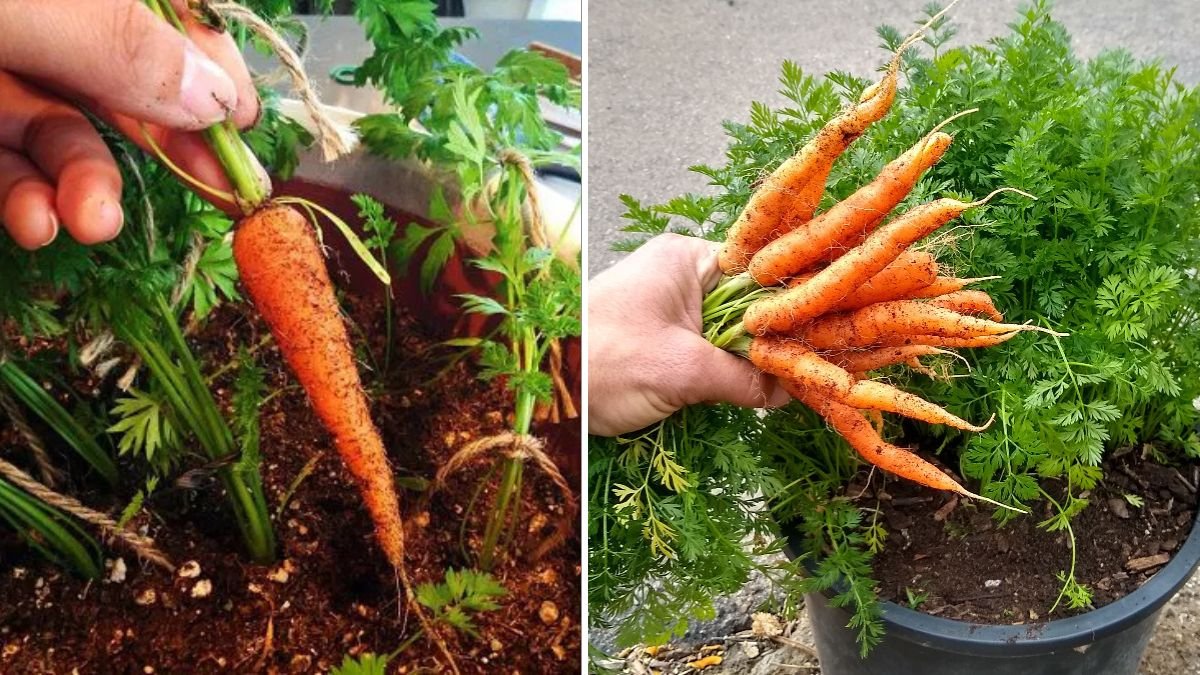
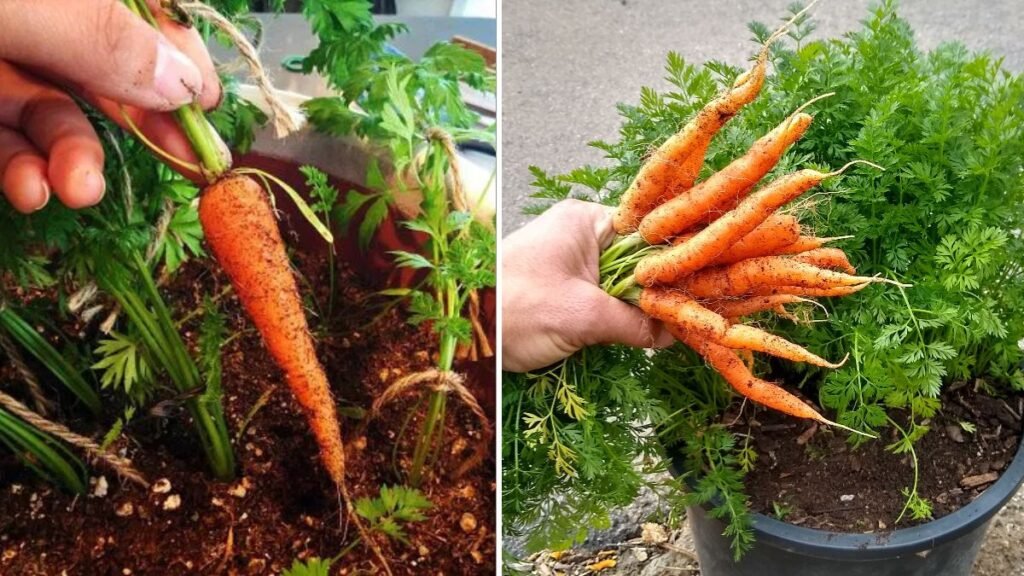
Turning your balcony into a carrot farm is not only possible but extremely rewarding. Carrots grow underground, making them perfect for container gardening. With the right soil depth and drainage, even small balconies can produce large quantities of clean, straight carrots. Balcony farming offers full control over soil quality, watering, and sunlight exposure. This method eliminates digging, soil pests, and heavy labor. Fresh carrots harvested from your own home are sweeter, healthier, and chemical-free. This guide explains step by step how to grow carrots efficiently on your balcony.
Why Carrots Are Ideal for Balcony Gardening
Carrots do not require wide space but need depth and loose soil. Containers provide better root control than ground soil. Balcony growing prevents weeds and soil compaction. Carrots grow cleaner and straighter in controlled environments. Container gardening also reduces pest issues like soil insects. With proper care, carrots mature evenly and taste better. Balcony carrots are easy to manage and perfect for beginners.
Choosing the Right Containers
Depth is more important than width when growing carrots. Containers should be at least 10 to 14 inches deep. Buckets, grow bags, plastic tubs, or baskets work well. Drainage holes are essential to prevent waterlogging. Lightweight containers are ideal for balconies. Larger containers allow better moisture retention and uniform root growth.
Best Carrot Varieties for Balcony Farming
Not all carrot varieties perform well in containers. Short and medium varieties are best. They mature faster and grow straighter in limited depth.
Recommended Carrot Varieties
| Variety Type | Root Length | Container Suitability |
|---|---|---|
| Nantes | Medium | Excellent |
| Chantenay | Short | Ideal |
| Baby carrots | Short | Perfect |
Preparing Loose and Deep Soil
Carrots demand soft, stone-free soil. Heavy or compact soil causes forked roots. Mix garden soil with sand and compost. Never use fresh manure. Soil must drain well while staying moist. Loose soil allows roots to grow straight and long. Soil preparation is the most important step for carrot success.
Ideal Soil Mix for Carrots
A light and airy soil mix promotes uniform root growth. Compost provides nutrients while sand improves texture.
Carrot Soil Mix Guide
| Ingredient | Purpose |
|---|---|
| Garden soil | Base structure |
| River sand | Prevents root twisting |
| Compost | Nutrient supply |
Sowing Carrot Seeds Correctly
Carrots do not transplant well, so seeds must be sown directly. Scatter seeds thinly on the soil surface. Cover lightly with soil or compost. Water gently to avoid seed movement. Germination takes 10 to 20 days. Keep soil consistently moist during this stage.
Thinning for Straight Roots
Overcrowding causes twisted and thin carrots. Thin seedlings when they reach two inches tall. Maintain proper spacing between plants. Cut excess seedlings instead of pulling them out. Thinning allows roots to develop fully without competition.
Watering Strategy for Healthy Roots
Carrots require even moisture throughout growth. Irregular watering leads to cracked roots. Water deeply but avoid soggy soil. Mulching helps retain moisture. Morning watering is ideal. Consistency is the key to sweet and smooth carrots.
Sunlight Requirements
Carrots need 5 to 6 hours of sunlight daily. Full sun improves sweetness and color. In hot climates, partial shade prevents bitterness. Rotate containers weekly for even exposure. Balanced sunlight supports strong foliage and root growth.
Fertilizing Carrots Naturally
Carrots do not need heavy feeding. Excess nitrogen causes leafy growth instead of roots. Compost and vermicompost are sufficient. Feed lightly once every three to four weeks. Avoid chemical fertilizers. Simple nutrition results in better root quality.
Mulching for Better Growth
Mulching keeps soil cool and moist. It prevents surface crusting. Organic mulch also suppresses weeds. Dry leaves or straw work well. Mulching improves overall root development.
Preventing Pests Naturally
Carrots grown in containers face fewer pests. Cover containers with mesh if needed. Neem oil helps control aphids. Healthy soil reduces disease risk. Balcony height also discourages many insects.
Managing Common Growing Problems
Forked roots indicate poor soil texture. Bitter taste means heat stress or water imbalance. Cracking comes from uneven watering. Each problem has a simple solution when caught early.
Growth Timeline of Carrots
Carrots mature between 60 to 80 days. Baby carrots can be harvested earlier. Growth speed depends on variety and temperature. Monitor root shoulders for size estimation.
Harvesting Without Damage
Loosen soil gently before pulling. Pull carrots slowly from the base. Containers make harvesting easier and cleaner. No digging tools are required. Harvesting at the right time ensures sweetness.
Cleaning and Storing Balcony Carrots
Wash gently and remove foliage. Store in a cool place. Fresh carrots last longer when refrigerated. Balcony carrots stay fresher due to minimal handling.
Reusing Soil After Harvest
Remove old roots and loosen soil. Add compost before replanting. Soil can be reused for leafy vegetables. Crop rotation maintains soil health.
Benefits of Balcony Carrot Farming
No digging, no weeds, and no chemicals. Clean harvests every season. Space-efficient and cost-effective. Perfect for urban living. Ideal for families and beginners.
Environmental Benefits
Reduces grocery dependency. Reuses containers. Saves water with proper mulching. Promotes sustainable food production. Supports eco-friendly lifestyles.
Conclusion
Turning your balcony into a carrot farm is simple and highly productive. With the right container depth, loose soil, and consistent care, anyone can grow straight, sweet carrots at home. This method proves that even small spaces can produce healthy food efficiently.