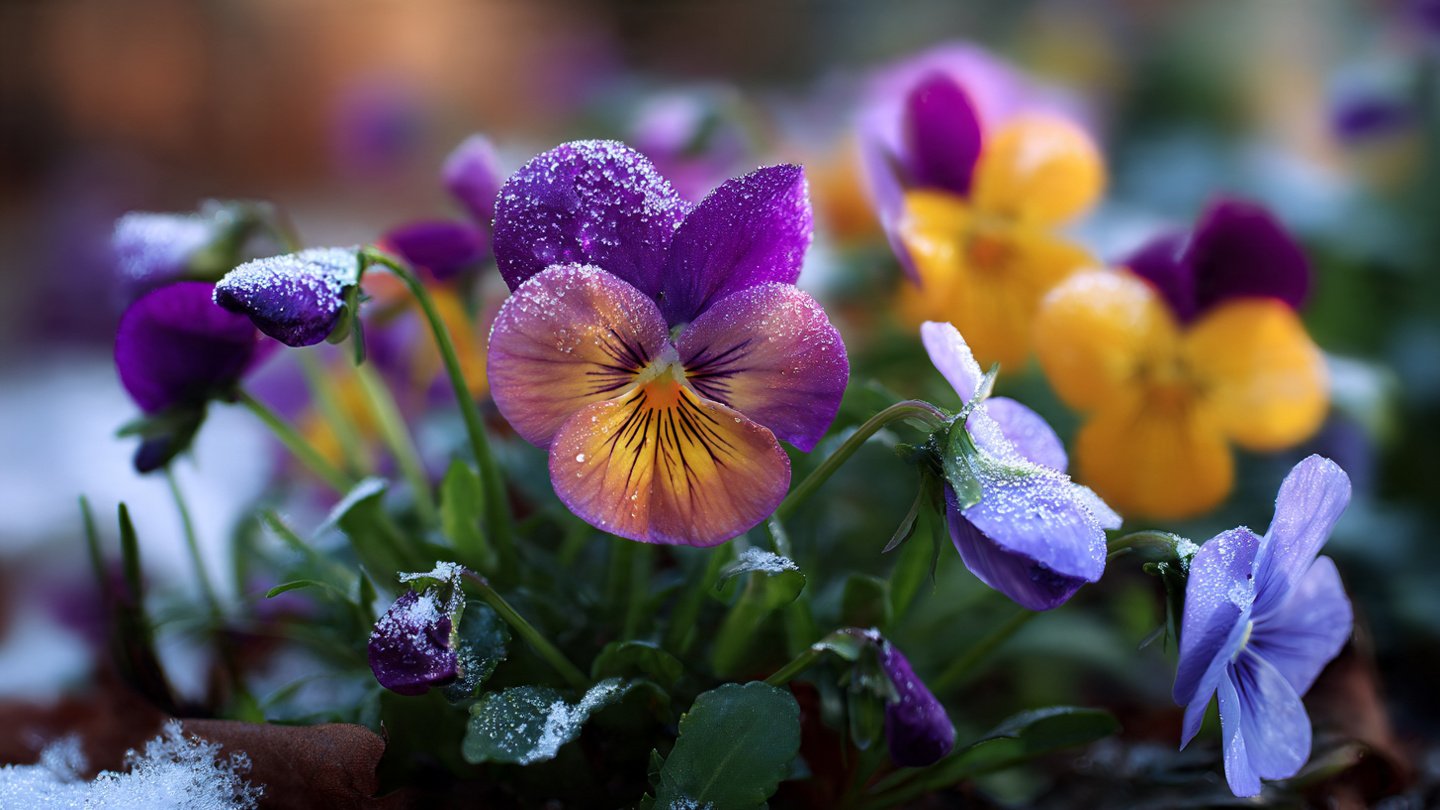
Winter may bring a chill to the air, but it doesn’t have to dull the colors of your garden. One of the most resilient and vibrant flowers you can enjoy during the colder months is the pansy. With their stunning array of colors and unique patterns, pansies can add cheerful beauty to your winter garden. This ultimate guide will cover everything you need to know about growing pansy winter flowers at home, including planting, care, and troubleshooting tips, along with an FAQs section to address common inquiries.
Table of Contents
- Introduction to Pansies
- Choosing the Right Varieties
- Preparing the Soil
- Planting Pansies
- Caring for Pansy Winter Flowers
- Common Pansy Problems and Solutions
- Winter Pansy Decorating Ideas
- Conclusion
- FAQs
1. Introduction to Pansies
Pansies (Viola tricolor var. hortensis) are a type of flowering plant known for their large, colorful blooms and heart-shaped leaves. They thrive in cooler temperatures, making them ideal for winter gardens. Pansies are not only hardy but can bloom from fall throughout the winter and even into spring, providing a continuous splash of color when many other plants have gone dormant.
2. Choosing the Right Varieties
When selecting pansies for your winter garden, you’ll find a wide range of varieties. Some popular types include:
- Johnny Jump-Up: These charming small pansies have vibrant purple and yellow blooms and are perfect for garden beds and containers.
- Majestic Giant: Known for their large blooms, these pansies come in a variety of colors and are excellent for adding bold pops of color.
- Cool Wave: These trailing pansies work well in hanging baskets and window boxes and are perfect for creating a cascading effect.
Consider your local climate, the amount of sunlight your garden receives, and your design preferences when choosing the right variety for your space.
3. Preparing the Soil
The first step to successfully growing pansies is to prepare the soil. Pansies prefer well-drained, fertile soil with a slightly acidic to neutral pH (around 6.0 to 7.0). Here’s how to prepare your soil:
- Test the Soil: Use a soil testing kit to check the pH and nutrient levels.
- Amend the Soil: If your soil is heavy clay or sandy, amend it with organic compost to improve its structure and nutrient content.
- Add Fertilizer: Incorporate a balanced slow-release fertilizer to provide the nutrients your pansies will need as they grow.
4. Planting Pansies
Planting pansies is a straightforward process, and it’s best done either in late fall or early spring. Here’s a step-by-step guide:
- Timing: In regions with mild winter temperatures, you can plant pansies in late September to October. For colder climates, wait until early spring.
- Spacing: Space your plants about 6 to 12 inches apart, depending on the variety. This spacing allows for proper air circulation and growth.
- Depth: Dig a hole deep enough to accommodate the root ball, typically around 4-6 inches.
- Watering: After planting, water thoroughly to help the roots settle into the soil.
5. Caring for Pansy Winter Flowers
Caring for your pansies will help you enjoy their blooms throughout the winter months. Here are the key components of pansy care:
Watering:
- Frequency: Pansies need consistent moisture, especially in their early growth stages. Water when the top inch of soil is dry.
- Method: Water deeply at the base of the plants to avoid wetting the leaves, which can encourage fungal diseases.
Fertilizing:
- Schedule: Apply a balanced fertilizer every 4 to 6 weeks during the growing season to promote healthy blooms.
- Organic Options: Consider using organic fertilizers such as fish emulsion or seaweed extract.
Pruning:
- Deadheading: Regularly remove spent blooms to encourage more flowers and prevent the plants from going to seed.
- Trimming: If your pansies start to look leggy, you can trim back the stems to promote bushier growth.
Mulching:
- Use mulch to help regulate soil temperature and retain moisture, especially in very cold climates.
6. Common Pansy Problems and Solutions
While pansies are generally hardy, they can encounter issues. Here are some common problems and solutions:
1. Fungal Diseases:
- Symptoms: Yellow spots on leaves or mold.
- Solution: Ensure proper air circulation, avoid overhead watering, and use a fungicide if necessary.
2. Pest Infestations:
- Symptoms: Holes in leaves or sticky residue on plants.
- Solution: Inspect plants regularly and use insecticidal soap or neem oil for aphids and other pests.
3. Winter Dieback:
- Symptoms: Browning or wilting leaves in early winter.
- Solution: Plant pansies that are suited to your climate and make sure they are not stressed from lack of water.
7. Winter Pansy Decorating Ideas
Pansies are versatile and can be used in various decorative ways to enhance your winter garden. Here are some creative ideas:
- Container Planting: Use decorative pots or window boxes to showcase your pansies. Combine different colors for a vibrant display.
- Hanging Baskets: Trailing varieties like Cool Wave can create stunning hanging baskets to adorn porches or entryways.
- Garden Borders: Create eye-catching borders along pathways or garden beds using pansies to guide the eye and draw attention.
- Winter Planters: Pair pansies with other winter-hardy plants like ornamental kale, cyclamen, or evergreens for a layered effect.
8. Conclusion
Pansies are an excellent choice for adding color and life to your winter garden. With their low maintenance requirements and vibrant blooms, they can brighten your outdoor space during the colder months. By following this guide, from selecting the right varieties to providing proper care, you can enjoy a stunning winter display of pansies that brings joy throughout the season.
9. FAQs
Q1: When is the best time to plant pansies?
A1: The best time to plant pansies is either in late fall or early spring, depending on your climate. In colder regions, early spring planting is recommended.
Q2: How much sunlight do pansies need?
A2: Pansies thrive in full sun to partial shade. Ideally, they should receive at least 6 hours of sunlight per day for optimal growth and blooming.
Q3: Can pansies survive winter?
A3: Yes, pansies are hardy flowers that can survive winter temperatures. They may go dormant during severe cold but will often bounce back in spring.
Q4: Do pansies need a lot of water?
A4: Pansies prefer consistently moist soil, but they do not like to be waterlogged. Water them when the top inch of soil is dry, especially during warmer spells.
Q5: What pests should I watch for on pansies?
A5: Common pests that affect pansies include aphids, slugs, and spider mites. Regular inspections and preventative measures can help control these pests.
Q6: How can I propagate pansies?
A6: Pansies can be propagated from seeds or cuttings. If looking to seed your own, start them indoors in late winter or early spring.
With this comprehensive guide, you’re well on your way to creating a vibrant and colorful winter garden filled with lovely pansies. Happy gardening!