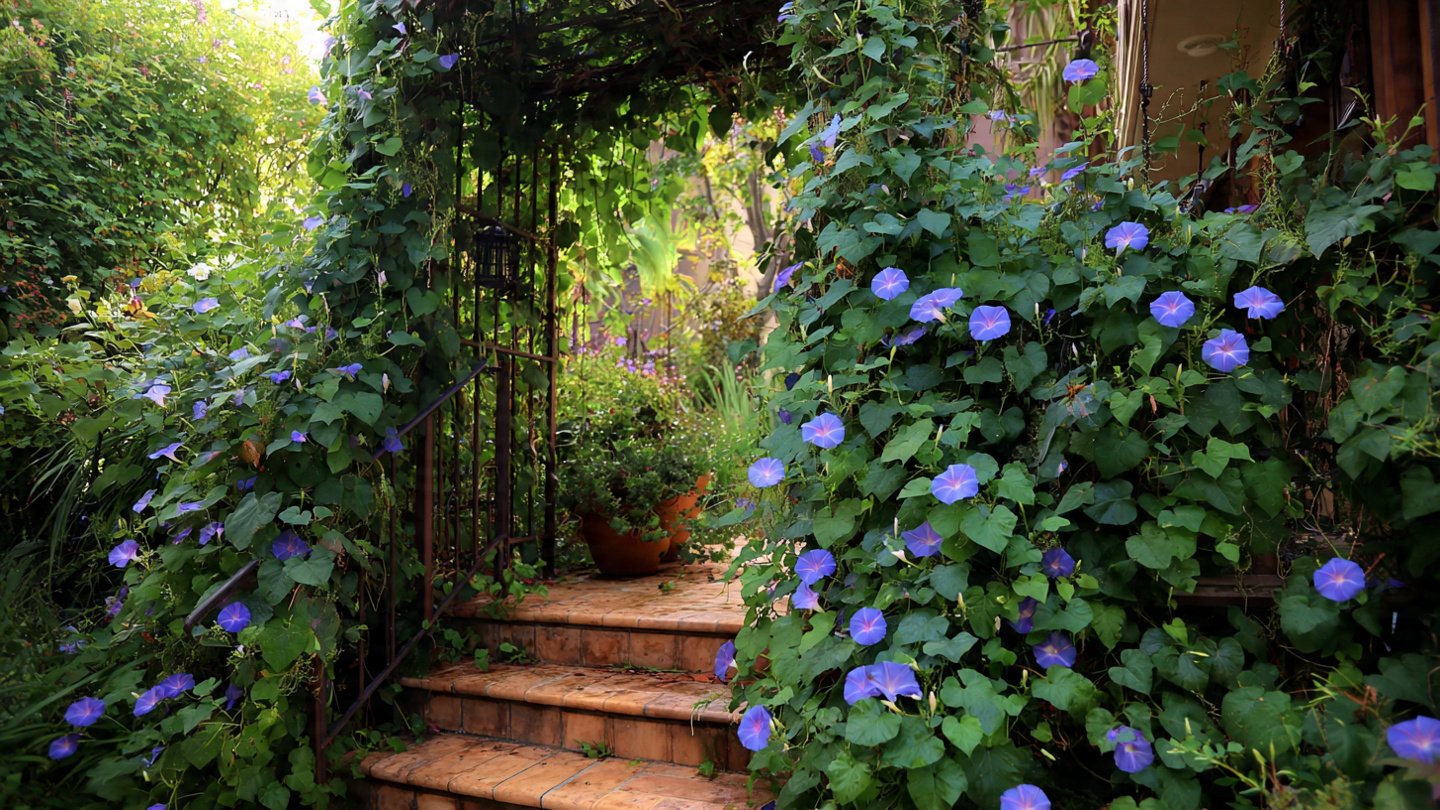
Growing a beautiful garden transforms not just your outdoor space but also enhances your mood and provides a sense of accomplishment. Among the many plants you can choose, the Morning Glory vine stands out for its vibrant flowers and robust nature. This guide will delve into the essential aspects of cultivating Morning Glory, from choosing the right variety to caring for your vines, and will wrap up with a comprehensive FAQs section.
What is Morning Glory?
Morning Glory, belonging to the Convolvulaceae family, is a flowering vine that encompasses about 1,000 species. The most popular varieties for gardens are Ipomoea purpurea (common Morning Glory) and Ipomoea nil, known for their funnel-shaped blooms that can be blue, purple, pink, or white. These vines are fast-growing and reach up to 10 feet in a single growing season.
Choosing the Right Variety
Before you begin planting, it’s crucial to select the right variety of Morning Glory suited to your garden conditions:
-
Ipomoea purpurea: This variety is particularly vibrant, producing a wide range of colors and is ideal for quick coverage of trellises or fences.
-
Ipomoea nil: Known for its unique flower shapes and historical significance in Japanese culture, this variety adds an exotic touch to your garden.
-
Sky Blue Morning Glory: With brilliant sky-blue flowers, this variety is perfect for sunny areas.
-
Giant White Morning Glory: If your goal is to have large, striking flowers, this type will not disappoint.
Factors to Consider:
- Climate: Morning Glory thrives in USDA Zones 3-10.
- Sunlight: Full sun is essential; they require at least 6-8 hours of direct sunlight daily.
Preparing Your Garden Bed
Before planting your Morning Glory, proper preparation of your garden bed is essential to ensure healthy growth:
1. Choosing the Location
Select a site that receives full sunlight and has good drainage. Morning Glories prefer light, well-drained soil but can tolerate a variety of conditions.
2. Soil Preparation
- Soil Type: A loamy or sandy soil is ideal. Heavy clay soils may hinder growth.
- pH Level: Aim for a pH between 6.0 and 7.0. Conduct a soil test for accuracy.
- Amendments: Mix organic compost or peat moss into the soil to enhance fertility and moisture retention.
3. Site Maintenance:
- Weed Control: Clear the area of weeds that may compete for nutrients and water.
- Mulching: Adding a layer of mulch helps retain moisture and suppress weeds.
Planting Morning Glory
1. Timing
- Seeds: Plant in late spring after the last frost, or start seeds indoors 4-6 weeks before the last frost.
- Transplants: If using store-bought transplants, plant them during the same timeframe.
2. Planting Techniques
- Seeds: Soak seeds for a few hours before planting to enhance germination. Space seeds about 4-6 inches apart.
- Transplants: Dig holes larger than the root ball, remove plants from containers, and place them gently in the holes.
3. Support Structures
Consider providing trellises, fences, or arbors for the vines to climb. Morning Glories naturally twine around supports, creating stunning vertical displays.
Watering and Fertilizing
1. Watering
- Frequency: During the first few weeks, ensure the soil remains consistently moist but not soggy. Once established, water deeply but infrequently.
- Best Practices: Water in the morning to minimize evaporation and fungal diseases.
2. Fertilizing
Morning Glories are low-maintenance in the nutrition department. However, offering a balanced, slow-release fertilizer at the beginning of the growing season will promote vibrant blooms. Avoid over-fertilizing, which can lead to lush foliage with fewer flowers.
Pruning and Training
1. Pruning
Prune back dead or leggy stems in early spring to encourage new growth. Regular deadheading (removing spent flowers) can prolong the blooming season.
2. Training
Guide the vines gently along the supports. Regularly check and adjust them as they climb.
Pests and Diseases
1. Common Pests
- Aphids: Small insects often found on the undersides of leaves. They can be washed off with water or treated with insecticidal soap.
- Spider Mites: Another common pest, especially in dry conditions. They can be controlled similarly.
2. Diseases
- Root Rot: Usually due to overwatering; ensure proper drainage.
- Powdery Mildew: In damp conditions, this fungal disease appears as a white, powdery film on leaves. Improving airflow and avoiding overhead watering can help.
Harvesting Seeds
If you wish to save seeds for next season, allow some flowers to wilt and shrivel. Once they turn brown, you can collect the seeds for planting in the following year. Store them in a cool, dry place to maintain viability.
Companion Planting
When choosing companion plants, consider pairing Morning Glory with sun-loving flowers like:
- Zinnias: Their vibrant colors complement Morning Glory well.
- Marigolds: Known for deterring pests.
- Sunflowers: Provide a vertical dimension and attract pollinators.
Seasonal Care
The maintenance of Morning Glory varies with the seasons:
- Spring: Prepare the bed, plant seeds, and promote growth with adequate water and nutrients.
- Summer: Monitor for pests and diseases while enjoying the blooms.
- Fall: As temperatures drop, collect seeds and cut back on watering.
- Winter: In cooler climates, Morning Glory will die back, but the seeds will lie dormant until spring.
Conclusion
Morning Glory vines offer a vibrant and fast-growing option for gardeners looking to add color and life to their outdoor spaces. With appropriate care—such as proper planting, watering, sunlight, and pest management—you can enjoy this beautiful vine throughout the growing season. Whether draping over an archway or sprawling across a trellis, Morning Glory is sure to enchant anyone who enjoys its beauty.
FAQs
1. How long does it take for Morning Glory to bloom after planting?
Morning Glory typically takes about 60-90 days from seed to bloom, depending on the variety and growing conditions.
2. Is Morning Glory invasive?
In certain regions, some varieties of Morning Glory can become invasive, outcompeting local plants. It’s best to check with local gardeners or agricultural extensions about local regulations.
3. Can I grow Morning Glory in a container?
Yes! Morning Glory can thrive in containers as long as they receive enough sunlight and adequate support for climbing.
4. Do Morning Glory flowers open only in the morning?
Yes, the flowers typically open in the morning and close by midday, hence the name “Morning Glory.”
5. Are Morning Glory vines annual or perennial?
Most types of Morning Glory are annuals, but in warmer climates, they can behave as perennials.
6. Can I eat Morning Glory?
Some parts of the plant are toxic if ingested, especially the seeds. Always consult with a reliable source before consuming any part of the plant.
7. How do I prevent Morning Glory from becoming leggy?
Regular pruning and providing adequate support for climbing can help prevent leggy growth.
By following the tips in this guide, you’d be well on your way to successfully growing beautiful Morning Glory vines in your garden, adding a burst of color and charm to your outdoor space. Happy gardening!