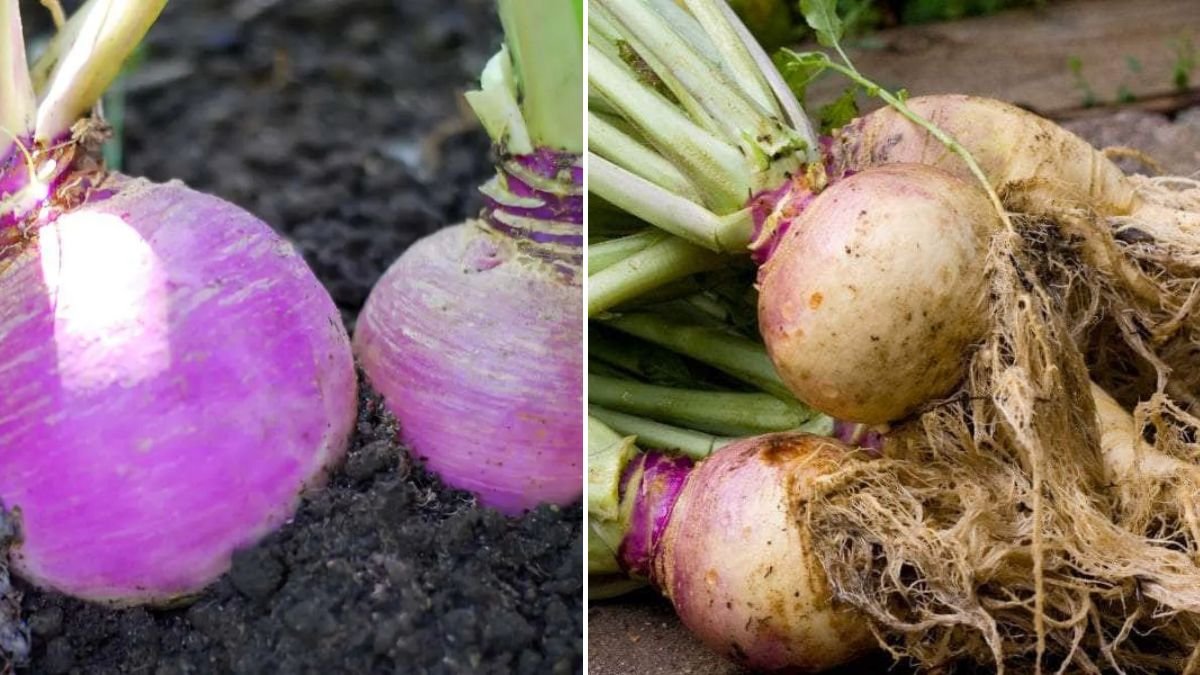
Growing turnips in containers can be a rewarding and easy endeavor for both novice and experienced gardeners. This guide will provide a comprehensive overview of how to grow turnips in containers, the best practices for maximizing yield, and common FAQs to help you succeed.
Understanding Turnips
Turnips (Brassica rapa) are root vegetables prized for their nutritional benefits and culinary versatility. They are part of the cruciferous vegetable family, alongside broccoli, cabbage, and kale. Available in various colors and shapes, turnips can be eaten raw, roasted, boiled, or mashed, making them a staple for many households.
Benefits of Growing Turnips in Containers
- Space Efficiency: Container gardening is ideal for small spaces such as balconies, patios, or small backyards.
- Soil Control: You have complete control over the soil quality, which can lead to healthier plants.
- Mobility: Containers can be moved to optimize sun exposure or protect from harsh weather conditions.
- Aesthetic Appeal: Flower pots or decorative containers can add beauty to your space.
Choosing the Right Containers
Selecting the right container is crucial for growing healthy turnips. Here are some factors to consider:
- Size: Turnips have a relatively shallow root system but do require some depth. A container that is at least 10-12 inches deep and 12-18 inches wide is ideal.
- Material: Containers can be made of plastic, ceramic, wood, or metal. Ensure the material allows for drainage and is suitable for your climate. Plastic is often lightweight and easy to handle.
- Drainage: Adequate drainage holes are essential to prevent water logging. If your container does not have them, be sure to drill holes in the bottom.
Soil Requirements
Turnips prefer well-draining, nutrient-rich soil. Consider the following:
- Soil Mix: A quality potting mix amended with compost works well. This will provide nutrients and promote good drainage.
- pH Level: The ideal soil pH for turnips is between 6.0 and 7.0. You can easily test your soil with a home kit.
- Nutrients: Turnips are heavy feeders. Incorporate a balanced fertilizer into the soil before planting, and consider top-dressing with compost every few weeks.
Planting Turnips
When to Plant
- Timing: Turnips can be planted in early spring or late summer for fall harvest. In temperate zones, seeds can be sown 2-4 weeks before the last frost or in late summer for a fall crop.
How to Plant
-
Sowing Seeds: Plant turnip seeds about 1/2 inch deep and 2 inches apart. Rows should be spaced about 12 inches apart. If you’re using a larger container, you can space them more closely.
-
Watering: Water the area after planting to settle the soil. Maintain consistent moisture, but avoid waterlogging.
-
Mulching: Add a layer of organic mulch to help retain moisture and reduce weeds.
Thinning Seedlings
Once the seedlings have established about 2-3 true leaves, thin them to prevent overcrowding. Leave the strongest seedlings spaced about 4-6 inches apart. The thinned seedlings can be used in salads.
Maintenance and Care
To maximize your turnip yield, consistent care is necessary.
Watering
- Consistency: Turnips require regular watering, especially during dry periods. Aim for about 1 inch of water per week, either from rainfall or irrigation. Container-grown turnips may need more frequent watering as containers dry out faster.
Fertilization
- Frequency: Reapply a balanced fertilizer every 4-6 weeks or use a slow-release fertilizer at the start of the growing season. During the growing cycle, regular applications of compost or liquid fertilizer can boost growth.
Pest and Disease Management
Turnips can be susceptible to pests and diseases:
- Common Pests: Watch for aphids, flea beetles, and root maggots. Neem oil or insecticidal soap can be effective treatments.
- Diseases: Fungal diseases such as downy mildew and black rot can affect turnips. Ensure good air circulation and avoid overhead watering to minimize risks.
Weeding
Keep your container area free from weeds, which compete for nutrients and moisture. Hand-pulling or using a hoe can help manage weeds effectively.
Harvesting Turnips
Harvesting is the most rewarding part of growing turnips. Here’s how to know when they’re ready:
- Timing: Turnips are generally ready to harvest in 30-60 days after sowing, depending on the variety.
- Size: Harvest when the roots are about 2-3 inches in diameter. If left too long, they may become woody and bitter.
- Technique: Use a garden fork to gently lift the turnips from the soil. Be careful not to damage the adjacent plants.
Storage Tips
Once harvested, turnips can be stored for several weeks:
- Location: Keep them in a cool, dark place, such as a root cellar or the vegetable crisper in your refrigerator.
- Preparation: Remove any greens before storage, as they can draw moisture from the roots.
Common Problems and Solutions
- Bitter Flavor: This can occur if turnips are harvested too late or stressed from lack of water. Ensure consistent moisture and harvest promptly.
- Bolting: If turnips flower prematurely, it could be due to high temperatures. Plant your seeds at the right times to avoid this.
- Pests: If pests become a persistent issue, consider row covers to protect young plants or rotational planting in future seasons.
FAQs about Growing Turnips in Containers
1. Can I grow turnips year-round in containers?
In most temperate climates, turnips are grown in spring and fall. In milder conditions, they can be grown year-round, but you must take precautions against extreme cold.
2. How many turnips can I grow in a container?
In a typical 12-18 inch container, you can grow 4-6 turnips successfully. Ensure proper spacing to allow roots to develop.
3. What varieties of turnips are best for containers?
‘Hakurei’ and ‘Purple Top White Globe’ are two popular varieties well-suited for container growth, providing good flavor and reasonable yields.
4. How do I deal with specific pest problems?
Regular inspection is key. For pests like aphids or flea beetles, consider neem oil or insecticidal soaps. Crop rotation can help reduce pest issues from year to year.
5. Can I eat turnip greens as well?
Yes! Turnip greens are edible and nutritious. They can be harvested as you thin out your seedlings or later in the season.
Conclusion
Growing turnips in containers is a fulfilling and achievable gardening task. With the right containers, soil, and care, you can enjoy a bountiful harvest of this versatile vegetable. Follow the tips and guidelines outlined in this guide, and soon you’ll be savoring fresh, homegrown turnips right from your container garden. Happy gardening!