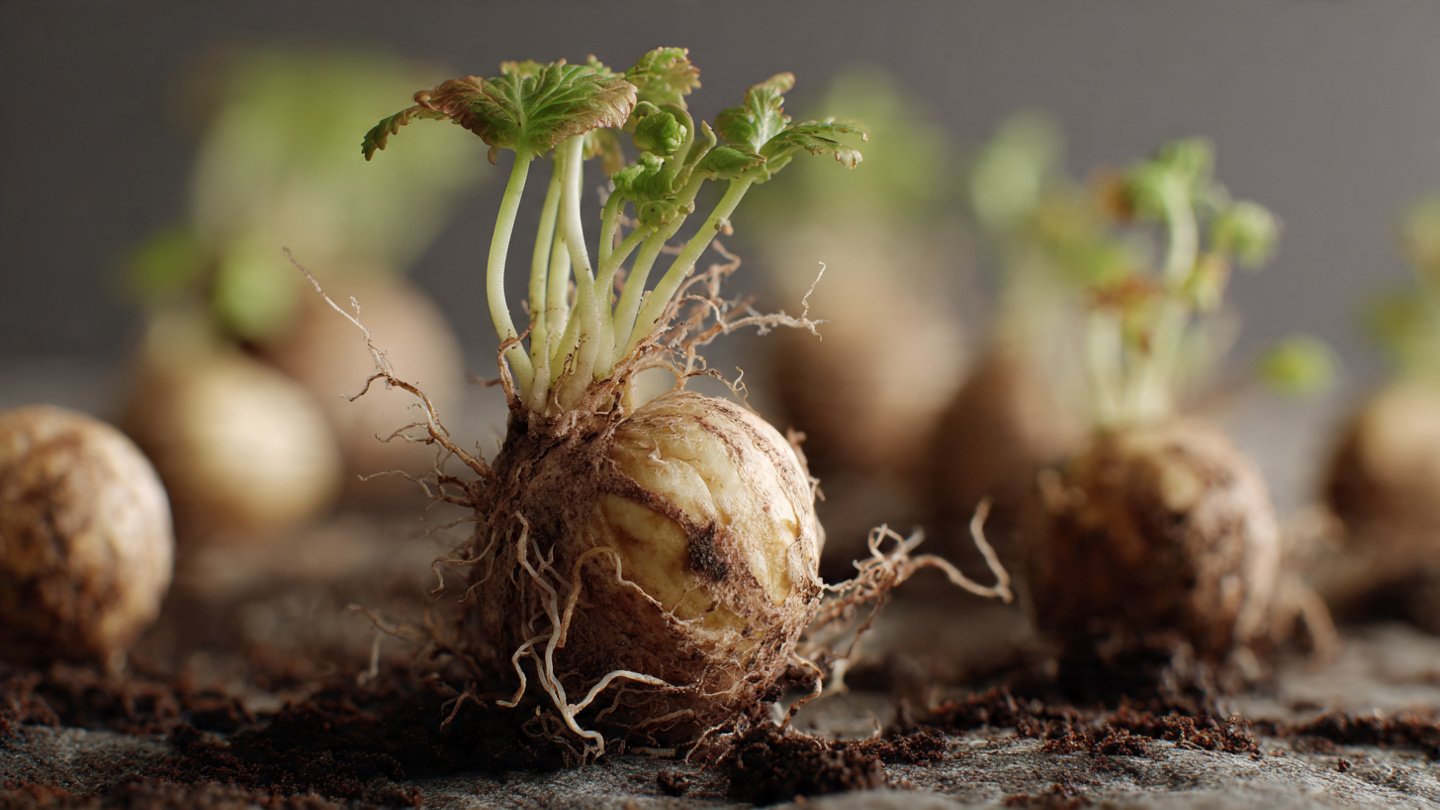
Growing plants from seeds can be an incredibly rewarding experience, yet it comes with its set of challenges. Seed failure can occur for various reasons that hinder the germination process. Understanding these reasons is essential for any gardener or farmer looking to successfully cultivate plants from seeds. This article dives into the common obstacles to seed sprouting, including environmental factors, seed quality, and handling practices.
1. Environmental Factors
The environment plays a critical role in seed germination. Several environmental conditions need to be optimal for seeds to sprout successfully:
- Temperature: Each seed type has its specific temperature requirements. If the temperature is too low or too high, germination can be stalled. Most seeds require a temperature range of 65°F to 75°F (18°C to 24°C).
- Moisture: Water is a crucial component for germination. Seeds need a certain level of moisture for the outer seed coat to soften, which allows the embryo inside to begin growing. However, too much water can lead to rot, while too little water can prevent germination altogether.
- Light: Some seeds require exposure to light to germinate, whereas others prefer darkness. Understanding the light requirements for specific seeds is essential.
- Soil Quality: The nutrient content and texture of the soil can significantly affect germination. Poorly drained soils can lead to waterlogged conditions, while compacted soils might restrict root growth.
2. Seed Quality
The quality of the seeds you use plays a vital role in their success. Factors affecting seed quality include:
- Age: Older seeds may have diminished viability. Most seeds have a specific shelf life, after which their germination capabilities significantly decrease.
- Storage Conditions: Seeds should be stored in a cool, dry place. Exposure to heat, moisture, and light can decrease their viability. Proper packaging can help extend their lifespan.
- Genetics: The genetic makeup of a seed can influence its ability to germinate. Hybrid seeds may have specific requirements for optimal germination that differ from open-pollinated varieties.
- Pests and Disease: Seeds can be prone to infestation or disease, which can prevent germination. It’s essential to inspect seeds visually and check for any signs of damage or degradation.
3. Handling Practices
The way seeds are handled before planting can also affect their likelihood of germinating. Some common issues related to handling include:
- Incorrect Planting Depth: Planting seeds too deep or too shallow can hinder their ability to sprout. Each seed type has recommended depths for planting based on its size and growth habits.
- Compacting Soil: Pressing down on the soil too hard can compact it, making it challenging for seedlings to break through the surface. This can lead to poor germination rates.
- Neglecting to Prepare the Soil: Soil preparation is critical. Tilling, aerating, and amending soil can create an ideal environment for seeds to germinate.
4. Complex Sprouting Conditions
Some seeds have complex requirements for sprouting, often referred to as dormancy mechanisms. Understanding these mechanisms can improve your chances of successful germination:
- Stratification: Certain seeds require a cold treatment to break dormancy. This process mimics winter conditions, allowing seeds to germinate in spring. Prepare these seeds by refrigerating them for a designated period before planting.
- Scarification: Some seeds have hard coats that need to be physically damaged to allow water to penetrate. Scarifying seeds can help facilitate germination.
- Seasonal Requirements: Certain seeds may need to be planted at a specific time of year to respond to environmental cues effectively. Understanding the natural growing conditions of specific plants can guide optimal planting times.
5. Conclusion
Understanding the reasons behind seed failure is crucial for anyone looking to cultivate plants successfully. By addressing environmental factors, ensuring seed quality, practicing proper handling techniques, and recognizing the physiological needs of different seeds, you can significantly enhance the likelihood of successful germination. Whether you’re a home gardener or a commercial farmer, taking these elements into consideration will contribute to a thriving garden.
FAQs
Q1: What should I do if my seeds fail to germinate?
A1: First, check the conditions where you’ve sown the seeds—temperature, moisture, and light. If the conditions are unsuitable, adjust accordingly. Also, consider the seed quality and storage conditions before planting.
Q2: How long should I wait for seeds to germinate?
A2: The germination time varies depending on the type of seed. Most seeds take anywhere from 7 to 14 days to germinate, but some can take longer. Always refer to the seed packet for specific germination times.
Q3: Can I use old seeds for planting?
A3: Yes, you can use old seeds; however, germination rates may be lower. Conduct a germination test by placing a few seeds on wet paper towels and observing how many sprout.
Q4: Is it beneficial to soak seeds before planting?
A4: Soaking can benefit some seeds by softening their outer coat and speeding up germination. However, not all seeds require soaking, so check the specific needs of your seeds before doing so.
Q5: What is the best way to store seeds for future use?
A5: Store seeds in a cool, dry place to maintain viability. Use airtight containers or envelopes to protect them from moisture and temperature fluctuations, and label them clearly for easy identification.