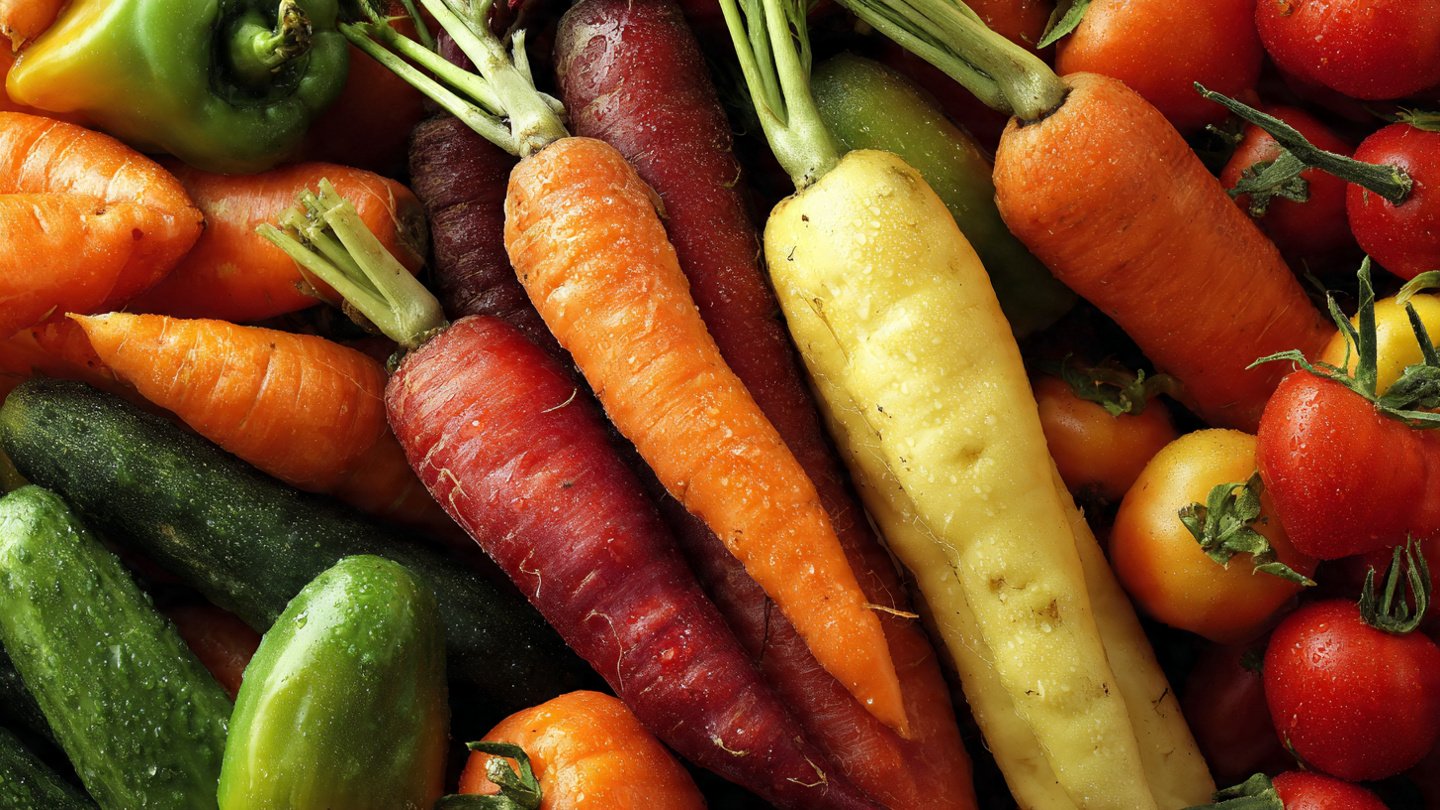
The bitterness of vegetables can be a puzzling phenomenon for many. While some may enjoy the distinct taste of bitter greens, others recoil at the thought of consuming them. Understanding why certain vegetables taste bitter involves a complex interplay of chemical compounds, genetics, and even cooking methods. This article delves into the underlying reasons for the bitterness found in vegetables and explores various factors that influence their taste.
1. The Role of Bitter Compounds
Many vegetables contain natural compounds that contribute to their bitter flavor. These compounds serve several purposes, including defense against herbivores and pathogens. Some of the most common bitter compounds found in vegetables include:
- Alkaloids: Present in vegetables like eggplant and potatoes, alkaloids can impart a strong bitter taste. They often serve as a natural pesticide.
- Glucosinolates: Found in cruciferous vegetables such as broccoli, Brussels sprouts, and kale, glucosinolates break down into bitter compounds when the vegetable is crushed or cooked.
- Flavonoids: These compounds are widespread in many plants and can produce a bitter flavor, especially in foods like citrus peels.
These compounds are essential to the plant’s survival, but they can make vegetables less appealing to human taste buds, particularly when consumed raw.
2. Genetic Factors
Human genetic variation also plays a significant role in how we perceive the bitterness of vegetables. Research has identified specific genes associated with the perception of bitter tastes. For instance, the TAS2R gene family encodes taste receptors that specifically respond to bitter compounds.
Individuals who possess certain variations of these genes may be more sensitive to bitterness. This genetic predisposition means that while one person might find Brussels sprouts pleasing, another might find them overwhelmingly bitter. Understanding the genetic basis of taste perception can explain why people have such differing opinions on the same vegetable.
3. Cultivation and Maturity
The way vegetables are grown and the time at which they are harvested can also affect their bitterness. Environmental factors such as soil quality, water availability, and exposure to sunlight can influence the levels of bitter compounds in vegetables. For example:
- Soil Nutrients: Soil that is rich in nutrients can lead to a more balanced flavor profile, potentially reducing bitterness.
- Maturity: Vegetables that are harvested too late can develop higher concentrations of bitter compounds. For instance, mature eggplants can be more bitter than younger ones.
- Temperature and Weather: Stress factors like drought or extreme heat can cause plants to produce more bitter compounds as a defense mechanism against these environmental stressors.
Farmers can manage these factors to cultivate sweeter vegetables, but variances due to local conditions can result in unexpected bitterness.
4. Cooking Techniques
The way you prepare and cook vegetables can significantly impact their taste. Cooking methods can either enhance or diminish bitterness.
- Cooking: Boiling or steaming vegetables can leach out some of the bitter compounds, making them taste less bitter.
- Blanching: Briefly cooking vegetables in boiling water and then plunging them into ice water can reduce bitterness without sacrificing texture.
- Seasoning: Adding ingredients such as lemon juice, olive oil, or spices can help mask bitterness and enhance flavor.
- Fermentation: Some bitter vegetables become more palatable when fermented, as the process can create beneficial bacteria that alter their flavor profile.
Experimenting with different cooking techniques can help in finding a method that reduces bitterness to suit your taste.
5. Varietal Differences
Not all vegetables of the same species taste the same. Different varieties of the same vegetable can have distinct flavor profiles. For example:
- Kale: Varieties like Lacinato and Curly have different levels of bitterness.
- Radishes: Some varieties are naturally milder, while others can pack a more intense bitter punch.
- Cucumbers: English cucumbers are generally less bitter than their pickling counterparts.
Choosing the right variety can make all the difference in taste when cooking with vegetables.
6. Psychological Factors
Lastly, our psychological associations and experiences with bitter foods can shape our perception of taste. While some may have grown up enjoying bitter vegetables, others may have had an aversion instilled from childhood. Cultural factors and individual experiences can unconsciously influence whether one embraces or shuns bitter flavors.
Conclusion
Understanding why certain vegetables taste bitter involves a multifaceted examination of chemical compounds, genetics, environmental factors, and cooking techniques. By grasping these elements, individuals can make more informed choices about how they prepare and consume bitter vegetables. Whether it’s through selecting the right variety, employing effective cooking methods, or simply embracing different tastes, navigating the world of bitterness can be a rewarding culinary journey.
FAQs
1. Are all bitter vegetables toxic?
No, not all bitter vegetables are toxic. Many contain natural compounds that contribute to their bitter flavor but are safe to eat. However, some bitter compounds can be harmful if consumed in large quantities, so it’s wise to research specific vegetables.
2. How can I reduce bitterness in vegetables?
You can reduce bitterness by cooking methods such as boiling, steaming, or blanching. Adding acids like lemon juice or vinegar, or sugars can also help balance the bitterness.
3. Are there health benefits to eating bitter vegetables?
Yes, bitter vegetables are often rich in antioxidants, vitamins, and minerals. They may also aid in digestion and have been linked to various health benefits, including reduced inflammation.
4. Can the bitterness of vegetables change with the season?
Yes, the bitterness of vegetables can vary with the season. Environmental factors such as temperature, sunlight, and soil conditions can alter the levels of bitter compounds in vegetables.
5. Why do some people love bitter vegetables while others hate them?
This disparity often stems from genetic differences in taste perception, cultural influences, and personal experiences with different foods. Some people are more sensitive to bitter tastes, leading to varying preferences.