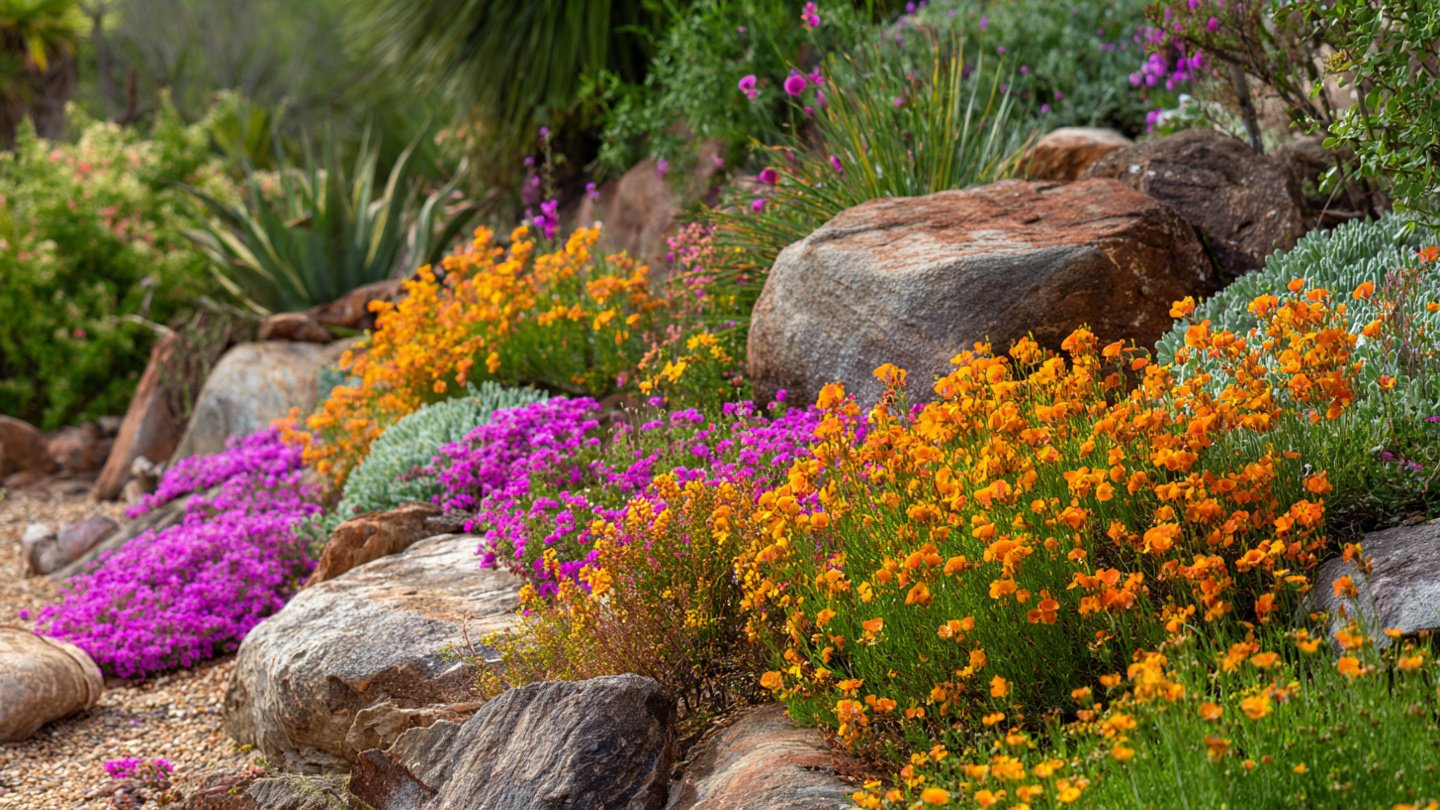
Xeriscaping is a landscaping method designed to reduce or eliminate the need for irrigation. It’s particularly beneficial in dry climates where water is scarce. By using drought-resistant plants and incorporating water-efficient landscaping techniques, homeowners can create a beautiful garden that thrives even in challenging weather. Below, we explore the top flowers that are ideal for xeriscaping in dry climates.
1. Lavender (Lavandula spp.)
Lavender is not only aromatic but also drought-resistant, making it a favorite among xeriscape gardeners. Its silvery-green foliage and purple flowers attract pollinators such as bees and butterflies. Lavender thrives in full sun with well-drained soil, making it perfect for dry landscapes.
Benefits of Lavender
- Low water needs
- Aromatic and visually appealing
- Attracts beneficial insects
2. California Poppy (Eschscholzia californica)
The California poppy is the state flower of California and is known for its vibrant orange blooms. This annual flower is incredibly drought-tolerant and thrives in poor, sandy soils. It requires minimal care once established and offers a burst of color to any xeriscape garden.
Benefits of California Poppy
- Bright, cheerful flowers
- Easy to grow and maintain
- Self-seeding, ensuring future blooms
3. Desert Marigold (Baileya multiradiata)
The desert marigold features bright yellow flowers that bloom for much of the year. This perennial plant is drought-tolerant and thrives in rocky or sandy soils. Its vibrant blooms and gray-green foliage create a striking contrast in xeriscape gardens.
Benefits of Desert Marigold
- Long blooming season
- Attracts butterflies
- Requires very little water
4. Agastache (Agastache spp.)
Agastache, commonly known as hyssop or hummingbird mint, is another excellent choice for dry climates. This perennial plant features aromatic leaves and spikes of flowers that attract hummingbirds and bees. It thrives in well-drained soil and full sun.
Benefits of Agastache
- Attracts wildlife
- Aromatic foliage
- Variety of colors available
5. Russian Sage (Perovskia atriplicifolia)
Russian sage is a hardy perennial with silvery foliage and tall spikes of lavender-blue flowers. It’s very drought-resistant and can handle poor soil conditions. This plant not only adds color but also texture to a garden, making it a beautiful addition to xeriscaping.
Benefits of Russian Sage
- Low maintenance requirement
- Long-lasting blooms
- Resistant to pests and diseases
6. Xerophytic Roses (Rosa spp.)
Roses can also thrive in dry climates with the right care. Certain varieties, known as xerophytic roses, are engineered to require less water. They come in a range of colors and can provide a classic charm to any xeriscape garden.
Benefits of Xerophytic Roses
- Classic beauty with a modern twist
- Variety of colors and scents
- Long-lasting blooms
7. Coneflower (Echinacea spp.)
Coneflowers are hardy perennials that thrive in various conditions, including dry soils. Their striking cone-shaped centers attract birds and pollinators, making them a favorite among gardeners. Coneflowers require minimal upkeep, which makes them perfect for xeriscaping.
Benefits of Coneflower
- Pollinator-friendly
- Robust and low-maintenance
- Varieties in different colors
8. Coreopsis (Coreopsis spp.)
Coreopsis, commonly known as tickseed, is another resilient flower perfect for xeriscaping. Its bright yellow and red blooms bring cheer to any garden. This plant is very tolerant of drought and can thrive in various soil types.
Benefits of Coreopsis
- Long blooming period
- Self-seeds easily
- Attracts butterflies and other pollinators
9. Blanket Flower (Gaillardia spp.)
Known for its fiery colors, the blanket flower is a perennial that thrives in dry conditions. Its daisy-like blooms come in red, yellow, and orange, offering bright splashes of color to any xeriscape garden. This flower is resistant to drought and attracts butterflies.
Benefits of Blanket Flower
- Vibrant color variety
- Drought-resistant
- Attracts pollinators
10. Sedum (Sedum spp.)
Though primarily considered a succulent, sedum offers flowering varieties that are perfect for dry climates. These plants are incredibly drought-tolerant and can survive in poor soils. Their unique shapes and colors make them visually appealing in rock gardens or xeriscaped areas.
Benefits of Sedum
- Variety of textures and colors
- Low maintenance
- Excellent for ground cover
Conclusion
Xeriscaping offers an effective way to create beautiful gardens that are not only eye-catching but also environmentally friendly. By choosing the right flowers for dry climates, gardeners can conserve water while still enjoying a vibrant landscape. Flowers like lavender, California poppy, desert marigold, and coneflower thrive in arid conditions, making them ideal for xeriscaping. Investing in these drought-resistant plants not only enhances your landscape but also contributes to sustainable gardening practices.
FAQs
What is xeriscaping?
Xeriscaping is a landscaping approach that develops gardens and landscapes requiring little or no irrigation, especially in arid regions. It emphasizes the use of drought-resistant plants and efficient water use practices.
Are xeriscaping flowers really low maintenance?
Yes, most xeriscaping flowers are designed to be low maintenance, requiring less water and care compared to traditional plants. This makes them ideal for busy gardeners or those looking to conserve water.
Can I grow xeriscaping flowers in pots?
Absolutely! Many xeriscaping flowers can be grown in pots, but ensure that the pots have proper drainage and use a well-draining soil mix to accommodate their low water needs.
How often should I water xeriscaping flowers?
Once established, many xeriscaping flowers require watering only during prolonged dry spells. Always check soil moisture before watering to prevent overwatering, which can be detrimental to drought-resistant plants.
What are some additional landscaping strategies for xeriscaping?
In addition to choosing drought-resistant plants, other strategies include using mulch to retain soil moisture, grouping plants with similar water needs, and incorporating hardscaping elements such as rocks and gravel to reduce soil exposure.