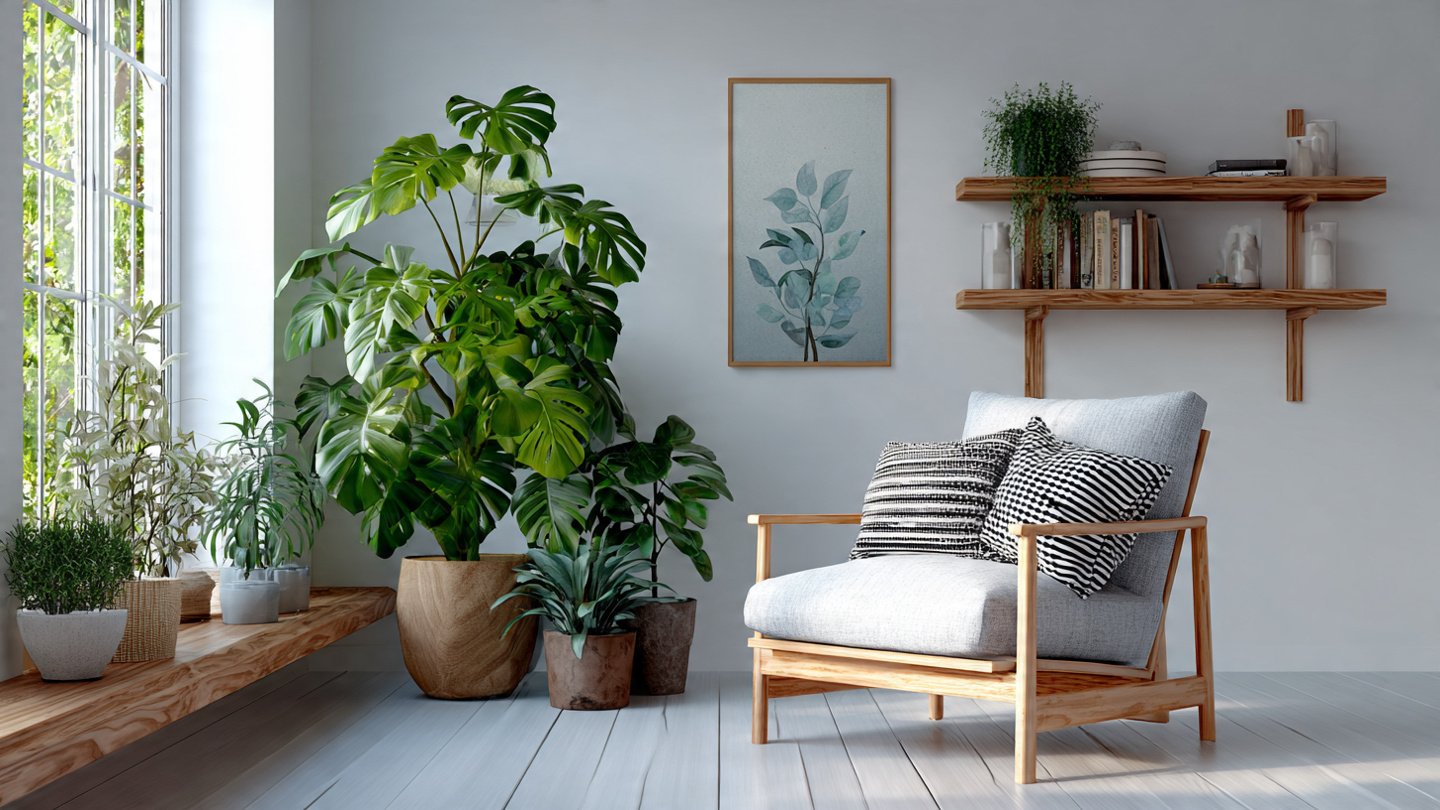
In recent years, the minimalist aesthetic has surged in popularity, emphasizing simplicity, functionality, and tranquility. This design philosophy, characterized by a clean color palette of whites and natural woods, creates a serene and peaceful environment. One of the most effective ways to enhance this aesthetic is through the thoughtful introduction of plants. The right plants can breathe life into your space while maintaining the overall minimalist theme. In this article, we’ll explore the top plants to complement a minimalist white and wood aesthetic.
1. Snake Plant (Sansevieria)
The Snake Plant, or Sansevieria, is a fantastic option for minimalist spaces. This hardy plant is characterized by its tall, upright leaves that can reach heights of up to four feet. Its striking vertical lines provide a sense of elegance and sophistication. Snake Plants are incredibly easy to care for, requiring minimal watering and thriving in low light conditions.
The deep green leaves are accented with lighter green stripes, presenting a subtle contrast that works beautifully against a white backdrop. Their architectural form adds a modern touch to any room, making them a popular choice for minimalist interiors.
2. ZZ Plant (Zamioculcas zamiifolia)
The ZZ Plant is another ideal choice for a minimalist white and wood aesthetic. With its glossy, dark green leaves and a compact growth habit, this plant adds a touch of sophistication to any space. ZZ Plants are known for their resilience and can survive in low light and neglect, making them perfect for those who may not have a green thumb.
This plant’s symmetrical growth pattern and shiny leaves complement clean lines and modern decor, allowing it to seamlessly integrate into a minimalist environment.
3. Pothos (Epipremnum aureum)
Pothos, also known as Devil’s Ivy, is a versatile and hardy trailing plant that can elevate a minimalist aesthetic. The heart-shaped leaves come in various shades of green, including variegated versions that feature white and cream accents, adding an element of visual interest without overwhelming the space.
These plants can be placed on shelves or in hanging baskets to allow their vines to cascade down, creating a horizontal layer that contrasts beautifully with vertical elements like wooden shelves. Pothos thrive in diverse lighting conditions, from low light to bright, indirect sunlight, making them an easy choice for any room.
4. Peace Lily (Spathiphyllum)
The Peace Lily is renowned for its elegant white blooms, making it a perfect plant for a minimalist aesthetic. Its glossy, dark green leaves create a strong contrast with the white flowers, reinforcing the simplicity and beauty of a monochromatic scheme.
Peace Lilies are also known for their air-purifying qualities, adding a health benefit to their aesthetic appeal. Place them on a clean white surface to highlight their beauty, or use them as a statement piece in a room filled with wood elements.
5. Fiddle Leaf Fig (Ficus lyrata)
The Fiddle Leaf Fig has grown in popularity for its dramatic, large leaves and sculptural presence. This plant makes a striking statement in any room and serves as a focal point within a minimalist design. Its glossy, violin-shaped leaves add depth and texture to a space filled with white and wood tones.
While this plant requires a bit more care—preferring bright indirect sunlight and consistent moisture—its stunning appearance and unique structure often make it worth the extra attention.
6. Rubber Plant (Ficus elastica)
The Rubber Plant is another excellent choice for enhancing a minimalist aesthetic. With its large, shiny leaves and upright growth habit, this plant adds sophistication without overwhelming the decor. The dark green leaves can create a striking contrast against white walls, while also complementing wood elements in the space.
Rubber Plants are relatively easy to care for, requiring bright, indirect light and occasional watering. Their bold presence makes them a popular choice for minimalist homes looking to make an understated statement.
7. Monstera Deliciosa
Monstera Deliciosa is famous for its large, unique leaves with distinctive cuts and holes. This tropical plant adds a touch of exotic flair to a minimalist setting while maintaining the simplicity of a few color tones. The contrasting greens of Monstera leaves provide an appealing focal point against a backdrop of white walls and warm wood accents.
Monstera is a moderate grower that thrives in bright, indirect sunlight. Its abundant foliage can soften harsh lines in a minimalist environment, creating a balanced and calm atmosphere.
8. Spider Plant (Chlorophytum comosum)
The Spider Plant is an easy-to-care-for option that brings a playful yet elegant element to a minimalist aesthetic. Known for its arching green and white striped leaves, this plant adds a soft texture that contrasts nicely with wood surfaces.
Spider Plants are highly adaptable and can thrive in varied lighting conditions, making them suitable for different areas in your home. Their unique growth habit, producing spider-like offshoots, offers an opportunity for creative placement, whether in hanging baskets or on shelves.
9. Chinese Evergreen (Aglaonema)
Chinese Evergreens are recognized for their vibrant foliage and tolerance to low light, making them a practical choice for minimalist homes. With leaves that display an array of colors, from green to silver and even red, these plants can introduce subtle pops of color without deviating from a calm color palette.
Their compact growth habit makes them ideal for tabletops, while their ability to thrive in various lighting conditions means they can be placed in nearly any corner of your home.
10. Air Plants (Tillandsia)
Air Plants offer a unique alternative for minimalist decor due to their unconventional growing habit. These plants can be placed in minimalist vessels or hung in the air, allowing for creative and flexible display options. Their small size makes them easy to incorporate into various arrangements, whether on coffee tables, window sills, or hanging from the ceiling.
Air Plants require minimal care—just spray them with water and allow them to dry. Their low maintenance paired with their unusual presentation make them an intriguing addition to any minimalist aesthetic.
Conclusion
Incorporating plants into a minimalist white and wood aesthetic can significantly enhance the atmosphere of your space. The right choices can infuse life, warmth, and calming energy into your environment while adhering to the principles of minimalism. From the elegant Snake Plant to the stunning Fiddle Leaf Fig, each of the plants discussed here serves a purpose—whether providing color, texture, or air purification. As you select plants for your home, consider how each one interacts with your existing decor and enhances the overall minimalist aesthetic.
FAQs
1. How do I care for plants in a minimalist home?
Care instructions will vary by plant; however, ensure you understand each plant’s light, water, and humidity needs. Many plants discussed in this article are low-maintenance and can thrive in less-than-ideal conditions.
2. Can I mix different types of plants in a minimalist space?
Yes! Mixing plants can add diversity and visual interest. Aim for a cohesive look by choosing plants with similar colors or textures.
3. What are the best locations for plants in a minimalist home?
Consider areas that receive natural light, such as window sills. You can also use floating shelves or plant stands to create layers and depth.
4. How can I propagate my plants?
Many plants can be propagated through cuttings. Ensure you research specific propagation methods for each plant type.
5. Are there any plants that should be avoided in a minimalist space?
Avoid overly lush, bushy plants that can appear cluttered or difficult to manage. Opt for plants with a more structured or minimalist growth habit.