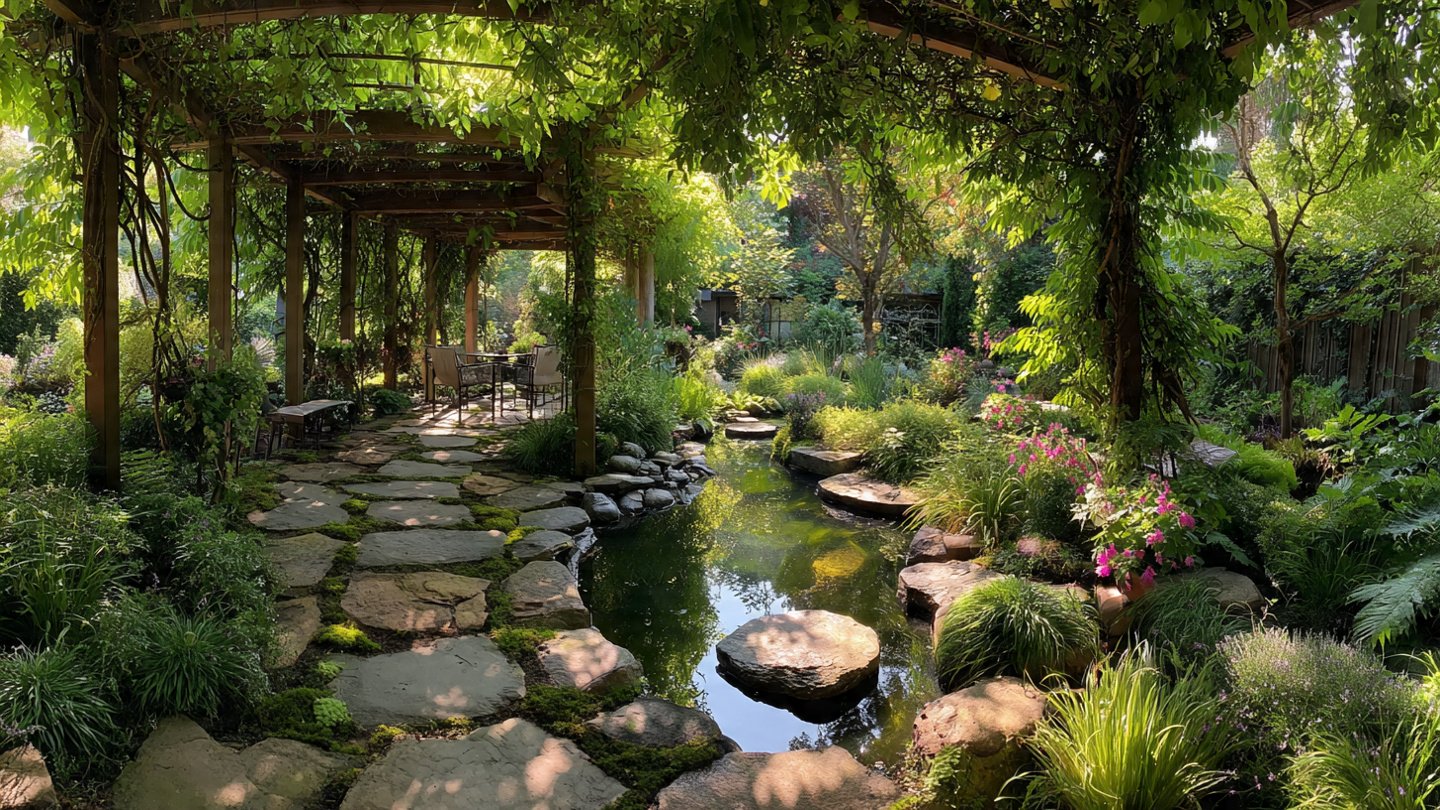
The summer sun can be relentless, making outdoor spaces uncomfortable for relaxation. However, the right colors can transform your garden into a refreshing oasis. Consider the use of strategic color choices that not only enhance aesthetics but also evoke a sense of tranquility and coolness. Let’s explore the various colors that can create a serene yet vibrant summer garden.
The Psychology of Color
Understanding color psychology is key to decorating your garden. Colors influence emotions, behavior, and even temperature perception. Cooling colors typically belong to the blue, green, and purple families. These shades can create an inviting atmosphere that encourages relaxation. Conversely, warm colors like red, orange, and yellow can evoke feelings of energy but can also raise the perceived temperature of a space.
Choosing the Right Colors for Your Oasis
Here are some colors that you should consider when designing a cool oasis in your garden:
1. Cool Blues
Blue is often associated with water, sky, and tranquility, making it an ideal choice for a summer garden. Utilize plants with blue flowers, such as:
- Bluebells
- Hydrangeas
- Delphiniums
Additionally, incorporating blue decorative elements like pots, garden tools, and outdoor furniture can enhance the soothing feel.
2. Serene Greens
Green is the color of nature and symbolizes growth and serenity. It is a versatile color that can be used extensively throughout your garden. Consider options such as:
- Ferns
- Hostas
- Succulents
Incorporating varying shades of green—think dark, lush foliage combined with lighter, brighter greens—can create depth and richness. Additionally, the more greenery you have, the more cooling effects can be derived from shade.
3. Calming Purples
Purple is another cooling color that can add depth and are commonly associated with creativity. Flowers like:
- Lavender
- Wisteria
- Salvia
Not only do these plants bring a sense of calm, but they also attract beneficial pollinators like bees and butterflies, adding life to your garden oasis.
4. Soft Whites and Grays
While typically neutral, white and gray shades can reflect sunlight and keep areas cooler. Think about using:
- White roses
- Daisies
- Gray foliage plants like Dusty Miller
These colors work well in combination with blues and greens to create a harmonious palette that feels fresh and inviting.
Creating Contrast
Contrast is essential for an attractive garden. Pairing cooler colors with accent colors can help to bring your oasis to life. For instance, consider the following combinations:
- Bright yellow sunflowers against a backdrop of green foliage
- Red or orange accents in garden furniture near calming blue flowers
- Soft white or purple flowers next to lush green shrubs
These contrasts can draw the eye and serve to enhance the ambiance of your garden space.
Textural Elements
Colors are not just about hues; texture plays a significant role too. Incorporating a variety of textures can enhance the visual appeal of your garden. Consider combining the following:
- Smooth, glossy leaves with rough, textured barks
- Soft, feathery foliage with sturdy, long-stemmed flowers
- Silky petaled blooms next to spiky grasses
This interplay between color and texture can elevate the garden experience by adding layers of interest and complexity.
Functional Design Tips
To maximize the cooling effects of color in your garden, consider the following functional design tips:
1. Plant Strategically
Place taller plants with cooling colors at the back of flower beds, creating a shaded sanctuary. Layering plants of different heights also helps to create visual interest while maximizing shade.
2. Create Shaded Areas
Utilize structures like pergolas, gazebos, or umbrellas painted in calming colors to provide natural shade. This not only protects you from the harsh sun but also enhances your garden’s aesthetic.
3. Water Features
Incorporating water features such as fountains or ponds can reflect light and color, enhancing both the cooling properties and overall visual appeal. Surround these features with cool-colored stones, pebbles, or decorative elements to amplify the effect.
Conclusion
Transforming your garden into a cool oasis during the sweltering summer months is an achievable goal. By carefully selecting a palette of cool colors such as blues, greens, purples, and soft whites, you can create an inviting and serene outdoor space. Incorporating various textures and contrasting accent colors can also add visual interest while enhancing the overall cooling effect. Together, these elements will help you enjoy your garden during the hottest days of summer.
FAQs
1. What are the best plants for creating a cool garden oasis?
Consider plants like bluebells, hydrangeas, ferns, and lavender. These plants not only fall within the cool color spectrum but also thrive in warm weather.
2. How can I maximize shade in my garden?
Plant taller foliage at the back of flower beds, and consider using structures like pergolas or trellises. You can also strategically use outdoor furniture to create shaded spots.
3. Are there any specific color combinations I should avoid?
While personal preference plays a role, avoid heavy reliance on warm colors like reds and oranges, which might make the space feel warmer instead of cooler.
4. How does water affect the color perception in my garden?
Water features can reflect colors and create a calming ambiance. Surrounding these features with cool-colored elements can enhance the overall cool feeling of your garden.
5. What role does texture play in garden design?
Texture adds depth and visual interest to a garden. Combining smooth, glossy foliage with rough textures can create an appealing contrast that enhances the cooling effects of color.