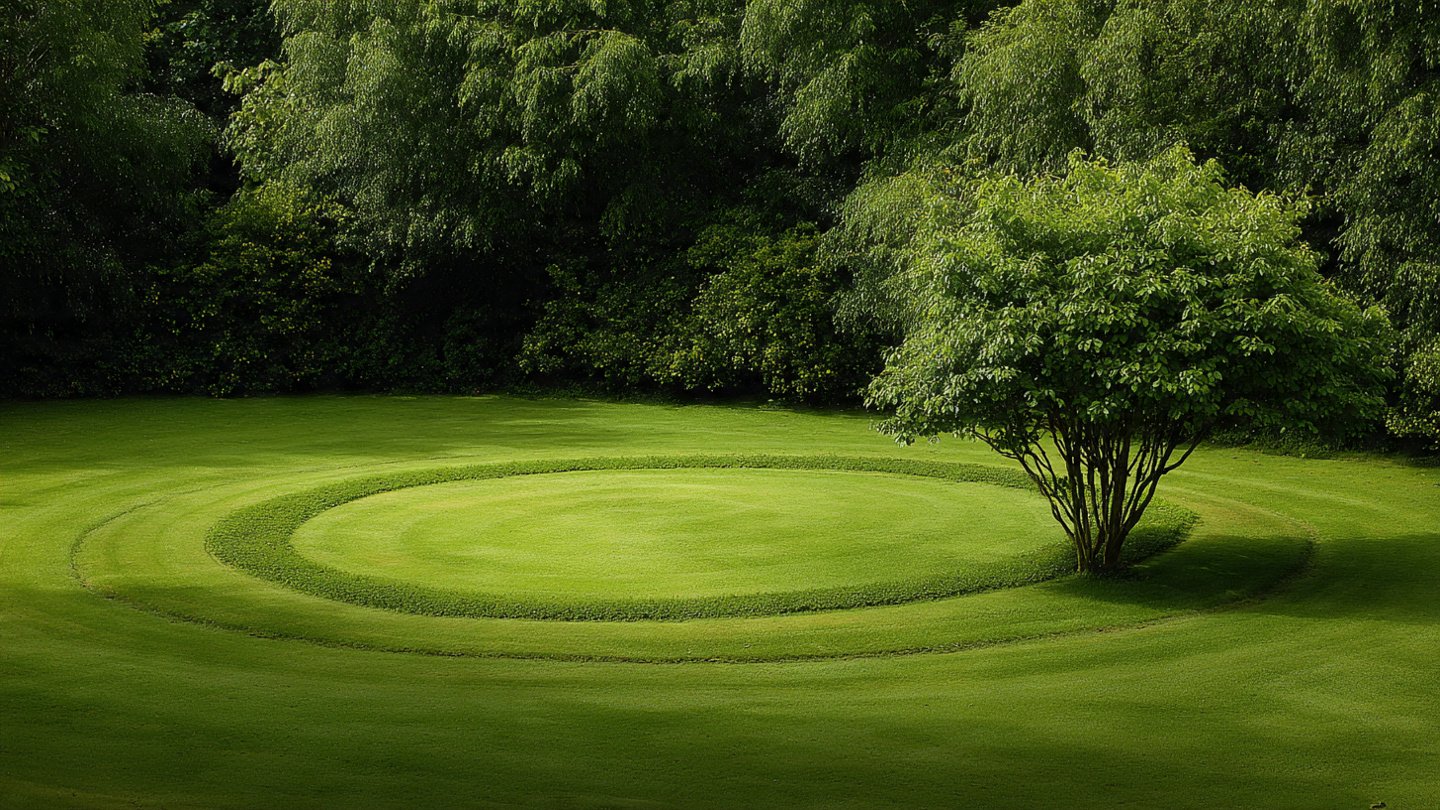
Seeing yellow patches in your lawn can be alarming, especially when these patches form perfect circles. This phenomenon is often the result of various factors, ranging from environmental issues to pest infestations. In this article, we’ll explore the reasons behind these yellow circles, how to identify the underlying causes, and the best methods for restoring your lawn to its lush green state.
1. Common Causes of Yellowing Lawn Circles
Several factors can lead to the formation of yellow circles in your lawn. Here are some of the most common causes:
1.1. Soil Compaction
Soil compaction occurs when soil particles are pressed together, reducing the pore space between them. This can hinder root growth and water absorption. Areas with frequent foot traffic or heavy machinery are particularly susceptible to compaction. When soil is compacted, grass roots cannot breathe or access necessary nutrients, leading to yellowing.
1.2. Fungal Diseases
Certain fungal diseases are notorious for creating circular yellow patches in lawns. These include:
- Fairy Rings: Often depicted in folklore, these rings appear as darker green circles surrounding a yellowed area, caused by specific fungi.
- Necrotic Ring Spot: This disease manifests as circular patches of dead grass surrounded by healthy grass, often found in spring and fall.
1.3. Pests and Insects
Insect infestations can wreak havoc on your lawn. Pests such as grubs and chinch bugs feed on grass roots, creating yellow patches. A closer inspection may reveal these pests beneath the soil or even on the grass blades themselves.
1.4. Watering Issues
Both overwatering and underwatering can lead to yellow patches. Overwatering can suffocate roots and encourage fungal growth, while underwatering stresses grass, causing it to turn yellow. Proper watering techniques are crucial for maintaining a healthy lawn.
1.5. Nutrient Deficiencies
Lawn grasses require various nutrients for optimal growth, including nitrogen, potassium, and phosphorus. A deficiency in any of these can lead to yellowing. Nitrogen deficiency, in particular, is often the culprit behind yellowing grass, as nitrogen helps promote lush, green growth.
2. Identifying the Problem
To address the yellowing circles in your lawn, you first need to identify the root cause. Here are methods to help you diagnose the problem:
2.1. Visual Inspection
Start with a thorough visual inspection of the yellow areas. Look for irregular patterns, insect activity, or any signs of fungal growth. Check for any physical damage to the grass or surrounding areas.
2.2. Soil Testing
Conducting a soil test can provide insights into nutrient levels and pH balance. Home testing kits are available at garden centers, allowing you to analyze nutrient deficiencies that may be causing your lawn stress.
2.3. Check for Pests
Examine the root zone of affected grass to check for pests. Dig a small patch to reveal grub activity or check for other insects that may be causing harm. Identifying the type of pest is crucial for selecting the appropriate treatment method.
3. Solutions for Yellow Lawn Circles
Identifying the cause of yellowing grass is the first step toward resolution. Here are some effective solutions:
3.1. Aeration
If soil compaction is an issue, aerating your lawn can significantly improve air circulation, nutrient absorption, and overall health. Aeration involves perforating the soil with holes to allow water, air, and nutrients to penetrate the roots.
3.2. Fungicide Application
For fungal diseases, applying a targeted fungicide can help to control the spread of the disease. Be sure to follow manufacturer instructions carefully to ensure effectiveness.
3.3. Pest Control
For pest infestations, consider using insecticides to eliminate grubs or other harmful insects. Organic options are also available for those preferring eco-friendly methods.
3.4. Adjust Watering Practices
Ensuring proper watering can help alleviate stress on your lawn. Generally, grass requires about an inch of water per week. Water deeply and infrequently rather than shallowly and often.
3.5. Fertilization
Applying a balanced fertilizer can replenish essential nutrients in your lawn. Use a slow-release nitrogen fertilizer to promote healthy growth and vibrant color.
4. Preventative Measures
To maintain a healthy lawn and prevent yellowing issues in the future, consider implementing the following preventative measures:
4.1. Regular Lawn Maintenance
Routine mowing, watering, and aeration are essential to lawn health. Adhering to a maintenance schedule can prevent many issues from developing.
4.2. Soil Improvement
Incorporate organic matter like compost into your soil to improve nutrient levels and structure. Healthy soil supports strong grass growth.
4.3. Choose the Right Grass
Selecting the appropriate grass type for your climate and soil conditions is crucial. Different types of grass have varying requirements for water, sunlight, and nutrients.
Conclusion
The sight of yellowing grass in perfect circles can be perplexing for homeowners. By identifying the underlying causes—whether fungal diseases, pests, soil compaction, or watering issues—you can take actionable steps to restore your lawn’s health. Regular maintenance and preventative measures will help you achieve a flourishing, green lawn that enhances the beauty of your property.
FAQs
1. Can yellow circles in my lawn be fixed quickly?
The time it takes to restore yellowing spots depends on the underlying cause. Some issues, like nutrient deficiencies, can be resolved within a few weeks, while others may take longer.
2. How often should I aerate my lawn?
It is generally advisable to aerate your lawn once a year, especially in high-traffic areas, to relieve compaction and improve soil health.
3. What are the signs of a pest infestation?
Common signs include yellow patches of grass, brown patches, and visible insects or larvae in the soil. Additionally, you might notice a decrease in overall grass vigor.
4. Is using chemical fertilizers safe for my lawn?
When used according to instructions, chemical fertilizers can be safe. However, consider organic alternatives if you are concerned about the environmental impact.
5. How can I improve my lawn’s drainage?
Improving drainage can involve aeration, adding organic matter, or redesigning your landscape to ensure water flows away from grass areas. Installing a drainage system may also be necessary in severe cases.