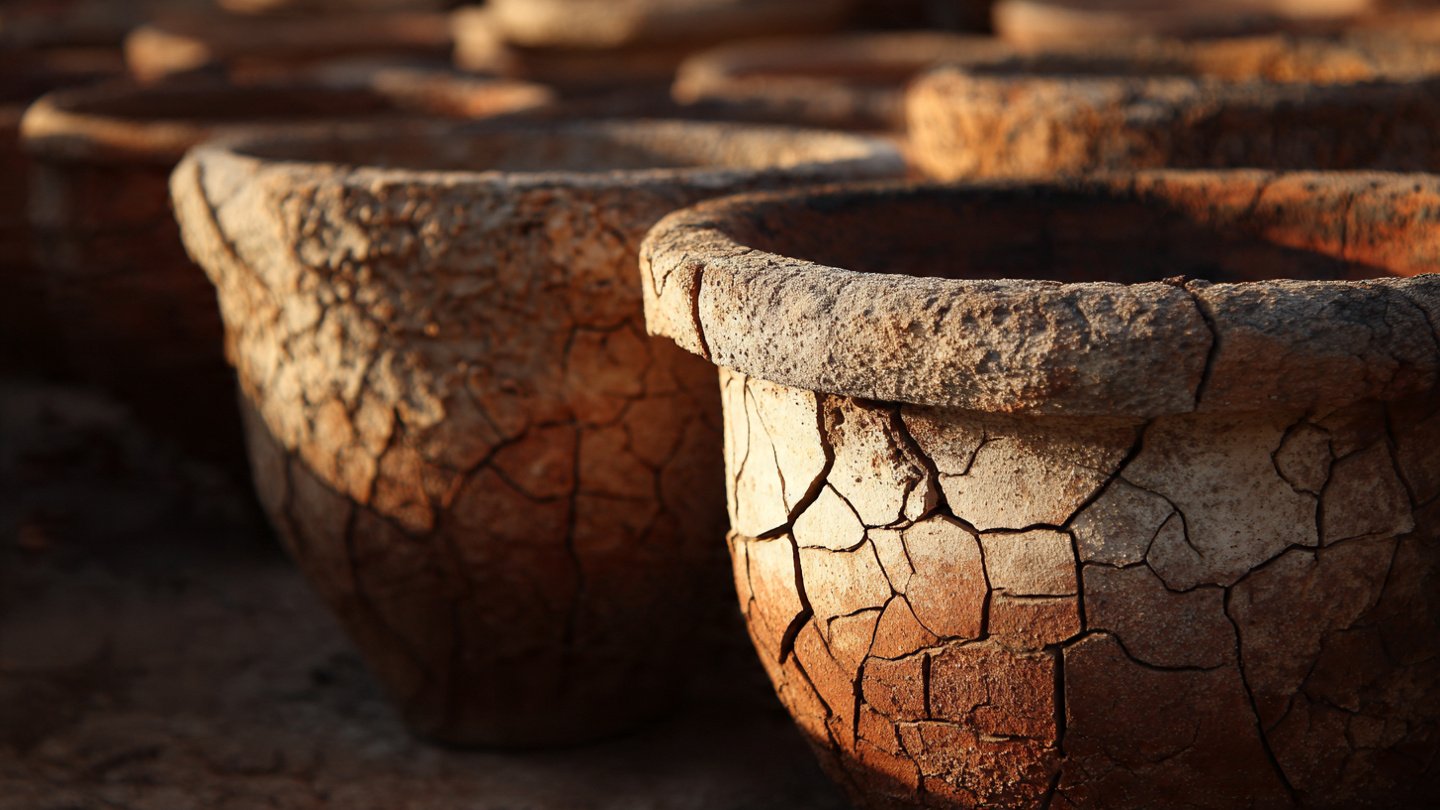
Terracotta pots are a favored choice among gardeners due to their rustic charm and ability to provide excellent drainage to plants. However, many gardeners often face the frustrating issue of their terracotta pots cracking when exposed to sunlight. Understanding the reasons behind this phenomenon can help mitigate the damage and ensure the longevity of your pots. In this article, we will delve into the causes of cracking in terracotta pots and ways to prevent it.
The Nature of Terracotta
Terracotta, translated to “baked earth,” is a clay-based ceramic material. It is porous and breathable, making it ideal for plant growth. However, this porosity also exposes terracotta to environmental elements that can lead to cracking.
Why Do Terracotta Pots Crack?
Several factors contribute to the cracking of terracotta pots when they are exposed to the sun. Here are the main culprits:
1. Thermal Expansion
The primary reason behind the cracking of terracotta pots in sunlight is thermal expansion. When terracotta pots are heated by the sun, they expand. This expansion occurs on the outer surface more than on the inner surface, leading to stress within the material. If the temperature swings are drastic, the stress can cause cracks to form.
2. Water Stress
Another contributing factor is the moisture content in the pot. If the pot is allowed to dry out too quickly from heat exposure, the clay can shrink, leading to further stress and, ultimately, cracking. A pot that has been watered recently will retain moisture, but if it dries rapidly in the sun, it may lead to cracking.
3. Poor Quality Clay
The quality of the clay used in making terracotta pots plays a significant role in their durability. Pots made from low-quality clay may contain air pockets or impurities that make them more prone to cracking. Investing in high-quality terracotta can mitigate this risk.
4. Thin Walls
Pots with thinner walls are generally more vulnerable to cracking than those with a thicker build. Thin walls heat up faster and can expand more rapidly, which leads to uneven stress distribution. Therefore, thicker terracotta pots are often the better choice for outdoor use.
5. Lack of Protective Coating
Coating your terracotta pots with a sealant can help protect them from the elements. Without a protective coating, pots are directly exposed to the sun, water, and other environmental factors that can lead to cracking and other forms of damage.
How to Prevent Cracking
Prevention is always better than cure. Here are some effective measures to reduce the chance of your terracotta pots cracking in the sun:
1. Provide Shade
If possible, place your terracotta pots in a location that offers some shade during the hottest parts of the day. This will help in reducing thermal stress on the material.
2. Water Wisely
Maintain a consistent watering schedule, but avoid over-watering. Allow the soil to dry evenly, which can minimize sudden shrinkage of the clay that leads to cracking.
3. Choose Quality Pots
Always opt for high-quality terracotta pots. Check for thickness and overall craftsmanship when making a purchase. High-quality pottery is less likely to crack due to better clay composition and thickness.
4. Use a Protective Sealant
Applying a protective sealant can create a barrier against moisture and temperature fluctuations. Use a breathable sealant designed for terracotta to retain breathability while offering protection.
5. Group Pots Together
Grouping pots together can create a microclimate that helps regulate temperature and moisture levels, ultimately reducing the pressure on individual pots.
Conclusion
Understanding the reasons behind the cracking of terracotta pots in the sun is crucial for every gardening enthusiast. From thermal expansion to moisture stress, several factors contribute to this problem. By taking preventative measures such as choosing quality pots, watering wisely, and applying protective coatings, gardeners can significantly reduce the risk of damage. In essence, care and awareness are essential for maintaining the integrity of your beloved terracotta pots and ensuring they serve you well for years to come.
FAQs
1. Can I fix a cracked terracotta pot?
While it is possible to fix minor cracks with strong adhesives or sealants, severe cracks may compromise the pot’s structural integrity. Replacing heavily damaged pots is often the best option.
2. How can I tell if my terracotta pot is high quality?
High-quality terracotta pots are often thicker and feel heavier. Look for pots that are well-crafted without air bubbles or uneven surfaces.
3. Is it advisable to use terracotta pots for outdoor plants?
Yes, terracotta pots are excellent for outdoor plants due to their drainage capabilities, but ensure they are of high quality and protected from extreme temperature variations.
4. Do terracotta pots need to be treated before planting?
Treating terracotta pots with a moisture-retaining sealant or soaking them in water before planting can reduce the amount of moisture they absorb, thus protecting the roots of your plants.
5. What is the lifespan of a terracotta pot?
The lifespan of a terracotta pot varies based on its quality, care, and environmental conditions, but high-quality pots can last several years, if not decades, with proper attention.