A lush and vibrant garden is often the envy of both novice gardeners and seasoned horticulturists alike. But what truly contributes to the explosion of greenery in your outdoor space? Factors beyond mere diligence and watering can play significant roles in the health and aesthetic quality of your garden. Let’s explore some of these secret factors that can make your garden thrive, turning it into a picturesque oasis.
### Soil Quality
The foundation of a thriving garden is quality soil. Often underestimated, the health of your soil determines nutrient availability, aeration, and water retention. A well-structured soil rich in organic matter fosters healthy root systems that enable plants to absorb water and nutrients efficiently.
To enhance soil quality, consider conducting a soil test. This assessment can reveal pH levels, nutrient deficiencies, and the presence of any pollutants. Depending on the results, you may need to amend the soil with compost, well-rotted manure, or specific fertilizers to create a balanced environment for your plants.
Another vital aspect of soil quality is drainage. Compact soil can lead to poor water retention and root rot. Incorporating materials like perlite, vermiculite, or sand can aid in improving drainage, creating a well-aerated soil structure conducive to healthy plant growth.
### Weather Conditions
Weather plays a crucial role in the vitality of your garden. Factors such as temperature, rainfall, and sunlight can significantly impact plant growth. For instance, a balanced amount of sunshine can enhance photosynthesis, leading to lush foliage. On the other hand, excessive heat can stress plants, leading to wilting and reduced growth.
Monitoring local weather patterns allows you to make informed gardening decisions. If your area has experienced unseasonably warm weather, consider implementing shade cloths or relocating potted plants to protect them from intense sun exposure.
Moreover, rainfall patterns can affect soil moistness and plant health. Installing a rainwater harvesting system can help you manage water resources more effectively. Collecting rainwater promotes sustainability and can reduce your utility bills, all while ensuring your plants receive the hydration they need.
### Plant Selection
Choosing the right plants for your geographic area can make a significant difference in your garden’s success. Native plants are well-adapted to the local climate and soil conditions, which often makes them resilient to pests and diseases. Additionally, they typically require less water and maintenance, making them an ideal choice for a lush garden.
When selecting plants, consider a variety of sizes, shapes, and colors. A diverse garden not only provides visual interest but also supports local wildlife, including pollinators like bees and butterflies. This biodiversity can lead to healthier plants, as a robust ecosystem can naturally regulate pests and diseases.
### Pest and Disease Management
Healthy gardens don’t just sprout from diligent care; they also resist pests and diseases. Integrated Pest Management (IPM) practices can help maintain your garden’s vigor without resorting to harmful chemicals. This holistic approach involves monitoring pest populations, encouraging beneficial insects, and rotating crops to minimize disease.
Companion planting is another effective strategy. By planting certain crops together, you can deter pests and enhance growth. For example, marigolds are known to repel nematodes and attract pollinators, making them a great companion for various vegetables.
Additionally, regular inspections of your plants can catch potential problems early. Identifying diseases or pest infestations promptly allows for timely interventions, saving your garden from extensive damage.
### Watering Techniques
Efficient watering techniques are vital for maintaining a lush garden. Over-watering or under-watering can have disastrous effects on plant health. Employing methods like drip irrigation or soaker hoses can ensure that water reaches the plant roots directly while minimizing evaporation and runoff.
Timing is equally important. Watering early in the morning or late in the evening allows water to absorb more effectively, reducing loss from evaporation. Additionally, mulching around your plants helps retain soil moisture and regulate temperature, creating an optimal environment for plant growth.
### Fertilization Practices
Proper fertilization is another secret ingredient in creating a thriving garden. While all plants require nutrients, different species have varying needs. Understanding the specific nutrient requirements of your plants will guide your fertilization efforts.
Organic fertilizers, such as fish emulsion, bone meal, or seaweed extract, can provide essential nutrients while improving soil health. These organic options often release nutrients slowly, creating a buffered nutrient supply for your plants. Soil amendments, like compost or aged manure, can also enrich your soil over time and contribute to a more lush appearance.
### Microclimates
Many gardens are more complex than they seem at first glance, as microclimates exist within larger landscape areas. Factors such as shade cast by trees, the proximity to water, or even the direction of the wind can create unique growing environments. Identifying these microclimates in your garden can help you select the most appropriate plants for each area.
For instance, a sunny corner may be ideal for heat-loving vegetables, while a shaded nook may support ferns or hostas. Understanding how temperature and moisture levels fluctuate can lead to more informed plant positioning, resulting in a more vibrant and thriving garden.
### Seasonal Changes
Throughout the year, your garden undergoes a series of transformations. Each season brings unique challenges and opportunities for growth. Understanding these seasonal changes enables gardeners to adapt their practices accordingly.
Spring is often the most dynamic time for growth as temperatures rise and days lengthen. Regularly checking for frost dates is essential for determining when to plant warm-season crops. As summer approaches, strategies to combat heat stress, such as adequate mulching and shading, become increasingly important.
Autumn transitions into a phase of preparation, as many plants enter dormancy. Providing adequate nutrients and ensuring proper care can lead to healthier plants come spring. Winter, while often tough for gardens, represents a time for reflection and planning for the upcoming season.
### Community and Networking
Gardening doesn’t have to be a solitary endeavor. Joining local gardening clubs or participating in online forums can provide invaluable insights and support. Connecting with other gardeners enables the exchange of knowledge, whether it’s about pest control tips, successful plant varieties, or sharing in the bounty of successful harvests.
Participating in community gardening events or sharing plants can also provide a sense of belonging. These interactions enrich your gardening experience and can often lead to surprising discoveries regarding effective gardening practices.
### Attention to Detail
A keen eye for detail can mean the difference between a mediocre garden and a breathtaking one. Engaging in regular maintenance, such as deadheading flowers or removing weeds, can significantly enhance the overall look and health of your garden. Routine pruning encourages bushier growth and can help manage diseases by improving air circulation.
Incorporating aesthetics into your care routine can also provide immense satisfaction. Layering colors, using decorative pots, and creating focal points with sculptures or garden ornaments can make your space visually appealing. Paying attention to these details not only creates an attractive outdoor area but can also boost the overall health of the plants.
### Technology Integration
In the age of technology, various tools can aid in monitoring and maintaining optimal gardening conditions. Soil moisture sensors, weather stations, and gardening apps are just a few examples of how technology can help manage your garden more effectively.
These devices can provide real-time information on soil conditions and weather patterns, ensuring your plants receive the care they need. Additionally, smart irrigation systems can help conserve water by adjusting watering schedules based on weather forecasts.
### Conclusion
Creating a lush and thriving garden is the result of multiple interconnected factors that extend beyond basic gardening knowledge. By focusing on improving soil quality, choosing the right plants, and implementing effective practices, gardeners can cultivate a flourishing outdoor space.
Maintaining a lush garden requires dedication and a willingness to learn from both nature and fellow gardeners. With patience and the right techniques, any gardener can transform their outdoor space into a vibrant oasis that invites admiration and joy throughout the growing season. The secret to achieving such a garden lies in understanding the complex interplay of environmental factors, embracing diversity, and nurturing resilience within your green sanctuary.
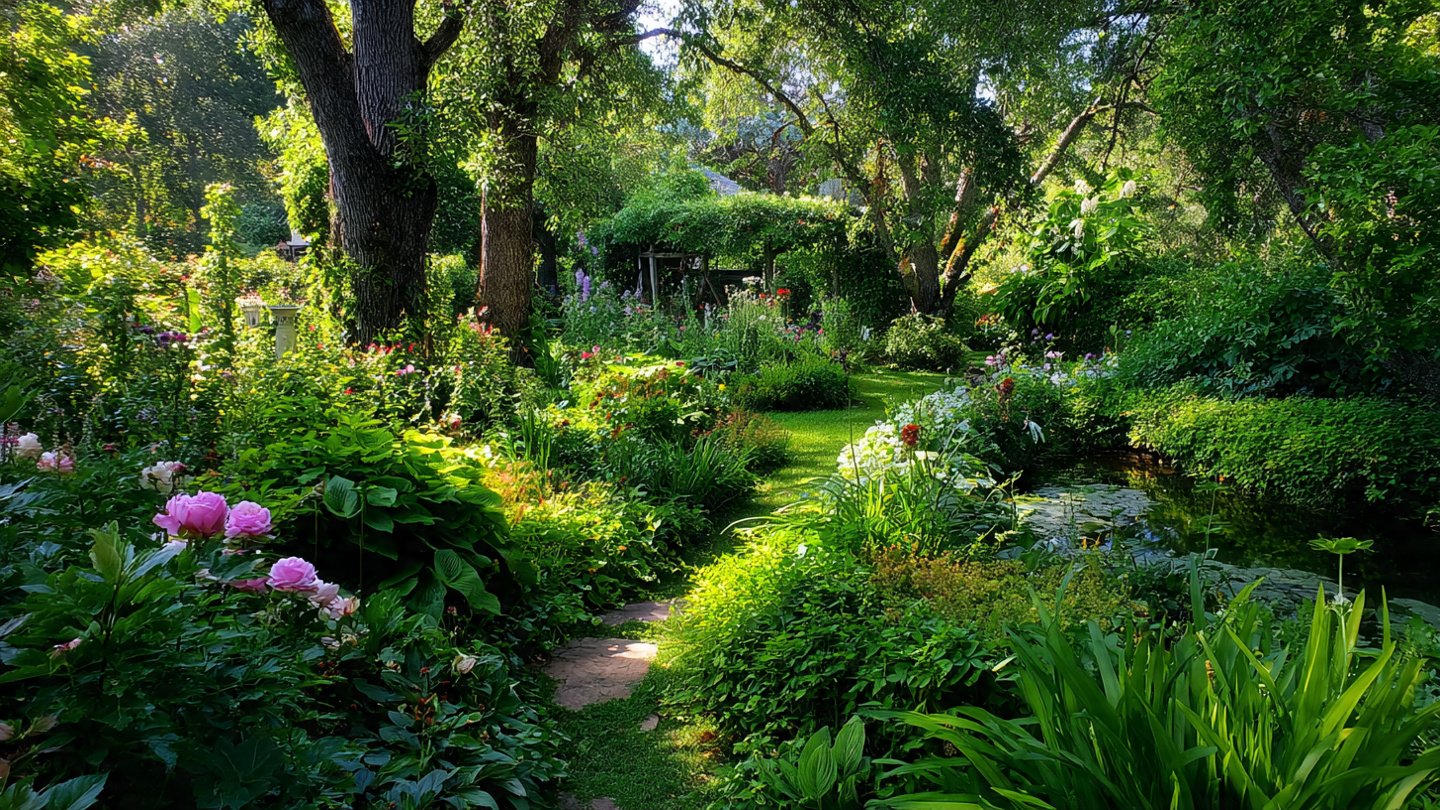
What Secret Factors Are Making Your Garden So Lush and Green This Year?
Galaxy A57 5G With Super AMOLED Display
Redmi Turbo 5 Pro Max With 9000mAh Battery
Infinix Slim 5G Smartphone
Infinix 2026 5G Smartphone
Nokia 5G Smartphone With 150MP Camera
Nokia S25 Pro Max Smartphone
Vivo Powerful 5G Smartphone
Vivo Y400 Pro 5G Smartphone
Lava Ultra Luxury 5G Smartphone
Realme GT Series 5G Smartphone
Infinix Latest 5G Smartphone
OnePlus Smartphone With 300MP Camera
Vivo X200 Ultra Smartphone
OnePlus Turbo 6V 5G Smartphone
Motorola 5G Smartphone With 250MP Camera
Realme GT 8 Pro Smartphone
Vivo V50 Lite 5G Smartphone
OnePlus New 5G Smartphone
Samsung Galaxy 5G Smartphone
Vivo New Smartphone With 420MP Camera
Oppo Premium 5G Smartphone
Samsung Galaxy J15 Prime 5G
Vivo Smartphone With 300MP Camera
Vivo Affordable 5G Smartphone
Motorola Affordable 5G Smartphone
Nokia 7380 5G Concept Phone
Tecno Spark 20 Pro 5G
Motorola Premium 2026 5G
Infinix Hot 70 Pro Smartphone
Nokia 2026 5G Smartphone