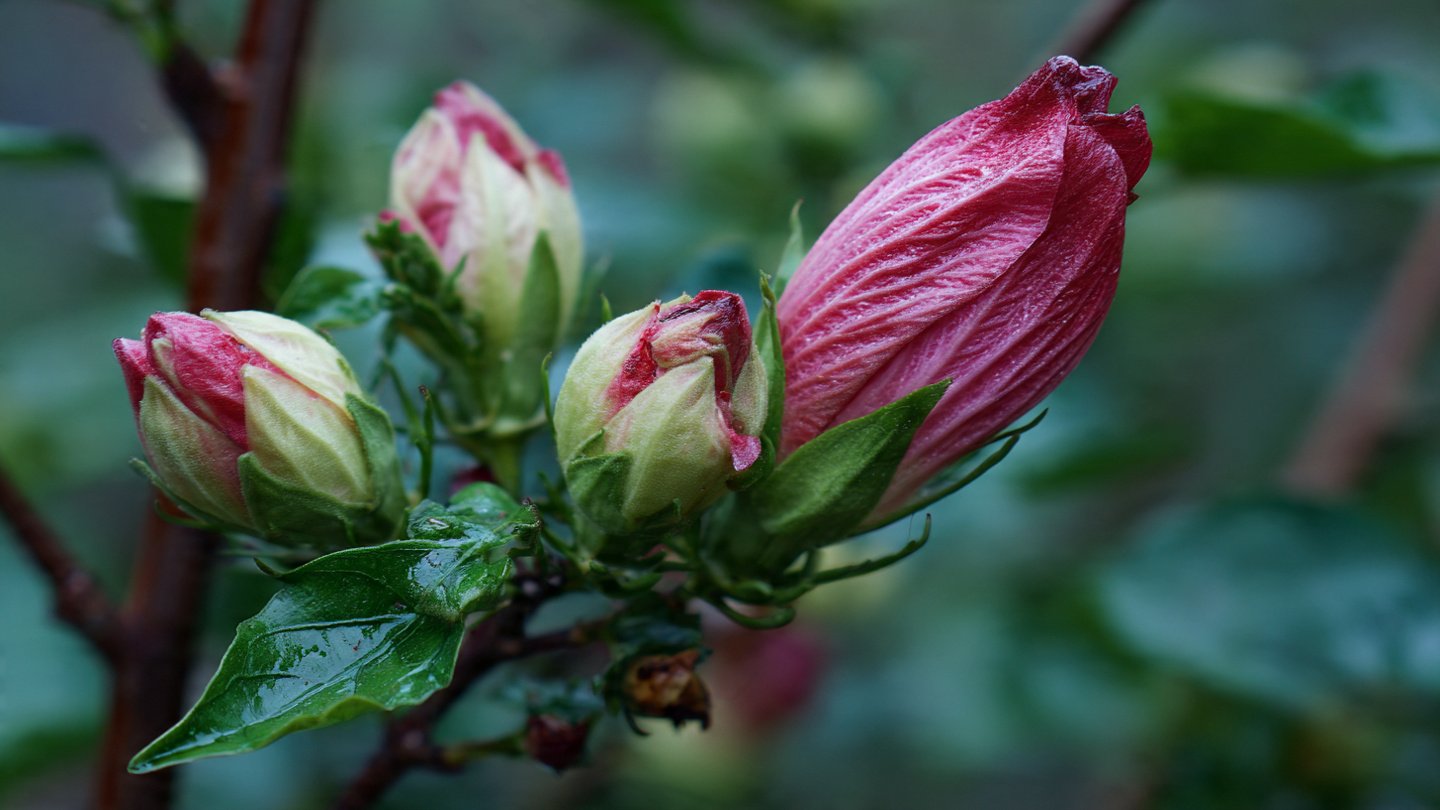
Hibiscus plants are adored for their large, colorful blooms and lush foliage. However, one of the most frustrating issues for hibiscus enthusiasts is when their buds fall off before blooming. This phenomenon can be confusing and alarming, especially when you’ve waited so long for those beautiful flowers. In this article, we will explore the reasons why hibiscus buds fall off and how you can prevent this from happening in your garden.
The Life Cycle of a Hibiscus Flower
To fully understand why hibiscus buds drop, it’s helpful to look at the life cycle of the hibiscus flower. Typically, a hibiscus bud will go through several stages of development:
- Bud Formation: The process starts with the formation of buds, which can be affected by the plant’s health and environmental conditions.
- Bud Development: As the bud matures, it begins to develop petals and other reproductive parts.
- Blooming: Finally, the bud opens into a vibrant flower, revealing its colors and attracting pollinators.
If any factors disrupt this cycle, it can result in bud drop.
Reasons for Bud Drop
1. Environmental Stress
Environmental factors play a significant role in the health of your hibiscus plant. If the conditions aren’t right, your buds may drop before they have a chance to bloom. Factors include:
- Temperature Fluctuations: Hibiscus plants prefer temperatures between 60°F and 90°F. Extreme heat or cold can stress the plant and lead to bud drop.
- Humidity Levels: Hibiscus thrives in humid conditions. Low humidity can cause wilting and bud drop.
- Sunlight: Insufficient sunlight can hamper growth and cause buds to drop. Hibiscus plants generally need 6-8 hours of sunlight daily.
2. Nutrient Deficiencies
A nutrient imbalance can impact the overall health of hibiscus plants. Key nutrients include:
- Nitrogen: Crucial for leaf growth; too little can weaken the plant.
- Phosphorus: Important for root development and blooming. A deficiency can lead to fewer flowers.
- Potassium: Essential for overall plant health and flower quality.
Regular fertilization with a balanced fertilizer can help maintain nutrient levels and prevent bud drop.
3. Watering Issues
Watering practices are crucial for hibiscus health. Both overwatering and underwatering can lead to bud drop:
- Overwatering: This can lead to root rot, depriving the plant of necessary oxygen and nutrients.
- Underwatering: Insufficient water can stress the plant, leading to premature bud drop.
To prevent this, ensure your hibiscus is planted in well-draining soil and adjust watering based on environmental conditions.
4. Pests and Diseases
Insect infestation can negatively affect hibiscus plants. Common pests include:
- Aphids: These small insects suck the sap from leaves and buds.
- Mealybugs: They create a cotton-like residue and can stifle growth.
- Fungal Diseases: Conditions like powdery mildew can stress the plant and lead to bud drop.
Regularly inspect your plant for signs of pests and diseases and take appropriate action if necessary.
5. Transplant Shock
If you’ve recently moved your hibiscus to a new location or repotted it, transplant shock can occur. This may result in temporary stress, causing buds to drop. Here are a few tips:
- Limit watering stress by maintaining stable moisture levels.
- Provide consistent light conditions.
- Be patient; the plant may need time to adjust.
Prevention Strategies
While some factors are beyond your control, there are several strategies you can employ to help reduce the likelihood of bud drop:
- Monitor Environment: Keep an eye on temperature and humidity levels. Use humidity trays or mist the leaves if necessary.
- Regular Fertilization: Use a balanced fertilizer tailored for hibiscus to ensure proper nutrient intake.
- Proper Watering: Water thoroughly but allow the top layer of soil to dry out before the next watering.
- Pest Control: Utilize organic insecticides or neem oil to keep pests at bay.
- Gentle Transplanting: When moving your hibiscus, try to minimize root damage and avoid disturbing the soil too much.
Conclusion
Experiencing bud drop in your hibiscus can be frustrating, but understanding the underlying causes can help you address the issue effectively. By closely monitoring your plant’s environment, ensuring it receives the right nutrients, and taking steps to prevent stress, you can create conditions conducive to healthy blooming. Remember, patience is key; even healthy hibiscus may drop a few buds, but with the right care, you should be able to enjoy those beautiful flowers.
FAQs
1. Can I save buds that have dropped off?
Unfortunately, once the buds have fallen, they cannot be saved. However, you can focus on improving the plant’s environment and care to encourage new buds to form.
2. How often should I fertilize my hibiscus?
It’s generally recommended to fertilize your hibiscus every 4 to 6 weeks during the growing season with a balanced fertilizer.
3. What should I do if I see pests on my hibiscus?
Isolate the affected plant and apply an appropriate pest control treatment, such as neem oil or insecticidal soap, following the manufacturer’s instructions.
4. Are there specific hibiscus varieties prone to bud drop?
While all hibiscus can experience bud drop due to environmental factors, certain tropical varieties may be more sensitive to changes in humidity and temperature.
5. How can I increase humidity for my hibiscus?
You can increase humidity by placing water trays near the plant, using a humidifier, or regularly misting the leaves with water.