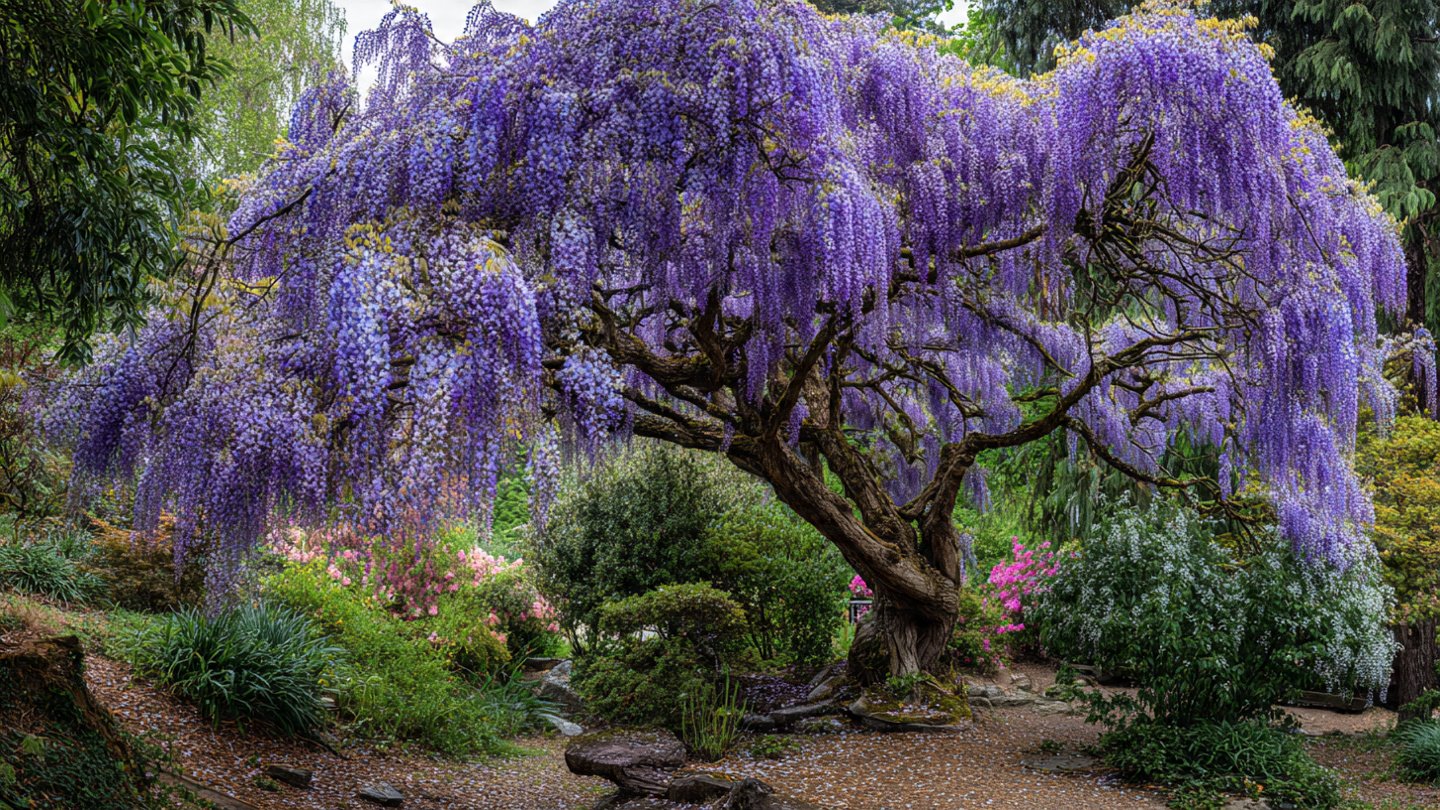
Understanding Wisteria and Its Blooming Requirements
Wisteria is a beautiful and vigorous flowering vine, adored for its cascading clusters of fragrant blooms. When cared for properly, these plants can create stunning displays in gardens and yards. However, many gardeners face the daunting problem of non-blooming Wisteria, even after years of anticipation. Understanding the causes of this issue, along with effective strategies to encourage blooming, can lead to the lush, vibrant vines you desire.
Common Reasons for Non-Blooming Wisteria
There are several factors that could prevent your Wisteria from producing blooms:
- Age of the Plant: Wisteria typically takes 3 to 5 years to mature enough to bloom. If your vine is younger than this, patience is essential.
- Improper Pruning: Timing and technique are crucial. Pruning Wisteria at the wrong time can eliminate potential flower buds. Ideally, pruning should occur in late winter or early spring.
- Insufficient Sunlight: Wisteria thrives in full sun. Insufficient light can inhibit bloom production. Ensure your plant receives at least 6 hours of direct sunlight each day.
- Nutrient Imbalance: High nitrogen levels can promote foliage growth at the expense of flowers. A balanced fertilizer is vital for optimal blooming.
- Watering Issues: Both overwatering and underwatering can stress the plant. Consistent moisture is key, but be cautious of soggy soil.
- Varietal Differences: Different Wisteria varieties have unique blooming characteristics, including different blooming times. Knowing your species can help set proper expectations.
Effective Strategies to Encourage Blooming
Addressing the above issues can significantly improve your chances of getting blossoms on your Wisteria. Here’s how:
1. Be Patient
As mentioned, many Wisteria varieties take several years to begin blooming. If your plant is still in its infancy, it might just need more time. Regular care during these years will help it develop strong roots and growth necessary for future blooms.
2. Master Pruning Techniques
Proper pruning is one of the most critical tasks in maintaining a blooming Wisteria. The best time to prune is in late winter, just before spring growth begins. Here’s a general guide for healthy pruning:
- First Year: Allow the vine to grow to its desired size without pruning.
- Second Year: Cut back the new growth to two or three buds in late winter.
- Subsequent Years: Continue to prune back to 2-3 buds after blooming to encourage more flowers in the following season.
3. Ensure Adequate Sunlight
Make sure your Wisteria is situated in a sunny spot. If it gets less than 6 hours of sunlight daily, consider relocating it or trimming back surrounding trees or plants that might be casting shade.
4. Adjust Nutrient Levels
Utilize a balanced fertilizer or a low-nitrogen formula. In early spring, apply a slow-release fertilizer with equal parts nitrogen, phosphorus, and potassium. This diet helps support overall health without promoting excess foliage growth at the expense of blooms.
5. Optimize Watering Practices
Maintain consistent moisture by watering deeply but infrequently, especially during dry spells. A drip irrigation system can be beneficial to ensure the roots receive moisture without waterlogging the plant.
6. Choose the Right Variety
If the Wisteria species you’ve chosen isn’t well-suited to your climate or growing conditions, it may struggle to bloom. Research different varieties, such as Wisteria sinensis and Wisteria floribunda, to find one that works best in your area.
7. Pests and Diseases
Check for signs of pests or diseases, such as aphids or fungal infections. Regularly inspecting your plant and addressing any issues quickly can prevent stress that may lead to poor blooming.
Conclusion
In conclusion, there are multiple reasons why your Wisteria may not be blooming after several years. By understanding the needs of your plant and addressing key aspects like pruning, sunlight, nutrition, and watering, you can turn your expectations into reality. Remember, gardening is often about patience and understanding the natural growth cycles of the plants. With care and the right strategies, you can encourage your Wisteria to produce the beautiful blooms you seek.
FAQs
Q1: How long does it typically take for Wisteria to bloom?
A1: Wisteria generally takes 3 to 5 years to start blooming, depending on the variety.
Q2: What is the best time to prune Wisteria?
A2: The optimal time to prune Wisteria is in late winter before new growth begins.
Q3: Can Wisteria bloom in partial shade?
A3: While Wisteria can tolerate partial shade, it requires at least 6 hours of sunlight daily for the best blooming results.
Q4: What type of fertilizer should I use for my Wisteria?
A4: Use a balanced fertilizer with equal parts nitrogen, phosphorus, and potassium. A low nitrogen option is preferable to promote blooming over foliage growth.
Q5: How can I tell if my Wisteria is diseased?
A5: Look for discolored or wilting leaves, stunted growth, or unusual spots. Regular inspection can help prevent diseases and pest issues.