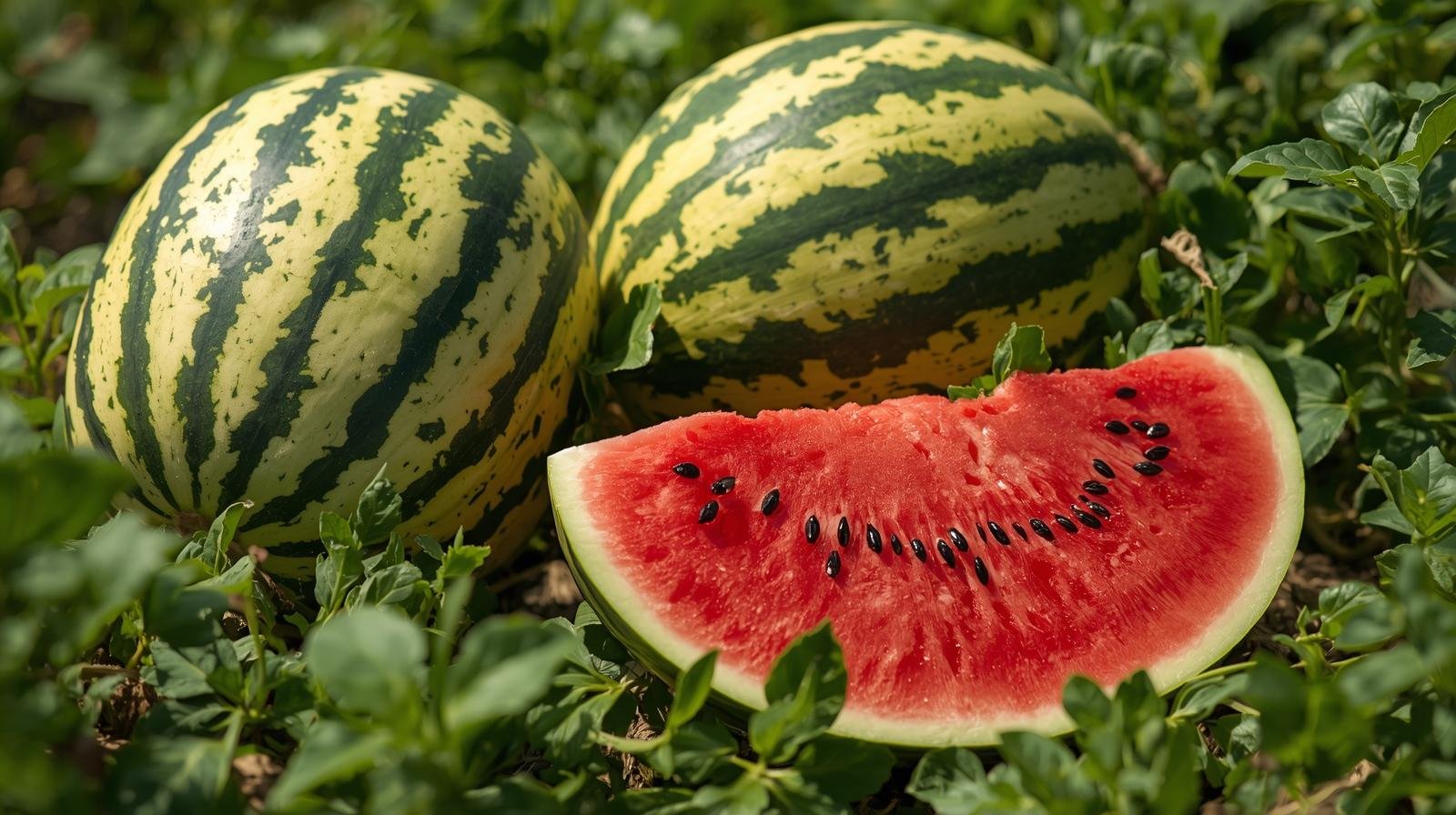
Watermelon is one of the most refreshing fruits, especially during hot seasons. Its juicy flesh, sweetness, and high water content make it a favorite worldwide. Growing amazing watermelons requires understanding vine growth, soil health, watering, and timing. This article explains how to produce large, sweet, and visually impressive watermelon fruits.
Understanding Watermelon Plant Behavior
Watermelon plants are fast-growing vines that spread widely and require ample space.
Selecting the Best Watermelon Variety
Choosing a high-yielding and climate-adapted variety improves size and sweetness.
Climate and Temperature Needs
Warm temperatures and full sunlight are essential for rapid growth and sugar development.
Soil Preparation for Big Fruits
Loose, nutrient-rich soil supports strong root systems and fruit expansion.
Proper Planting and Spacing
Adequate spacing reduces competition and improves air circulation.
Watering for Juicy and Sweet Fruits
Consistent watering supports fruit growth, while water stress reduces sweetness.
Fertilization Strategy
Balanced feeding with emphasis on potassium enhances fruit quality.
Vine Management Techniques
Managing vine growth directs energy toward fruit development.
Flowering and Pollination
Healthy pollination ensures uniform fruit shape and size.
Pest and Disease Control
Protecting vines from pests prevents damage that affects yield.
Identifying Ripeness and Harvest Time
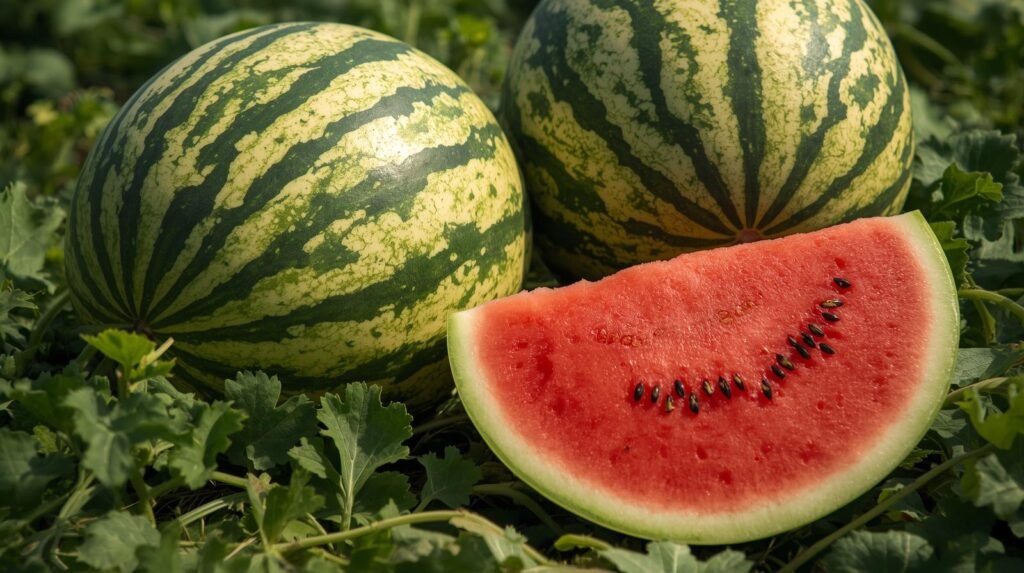
Signs like color change and hollow sound help determine perfect harvest timing.
Common Growing Errors
Overcrowding and irregular watering are major causes of poor fruit quality.
Benefits of Growing Your Own Watermelon
Home-grown watermelons offer better taste, freshness, and satisfaction.
Quick Reference Table
| Factor | Best Practice |
| Sunlight | Full sun |
| Soil | Fertile and loose |
| Watering | Regular |
| Spacing | Wide |
| Fruit Quality | Sweet and juicy |