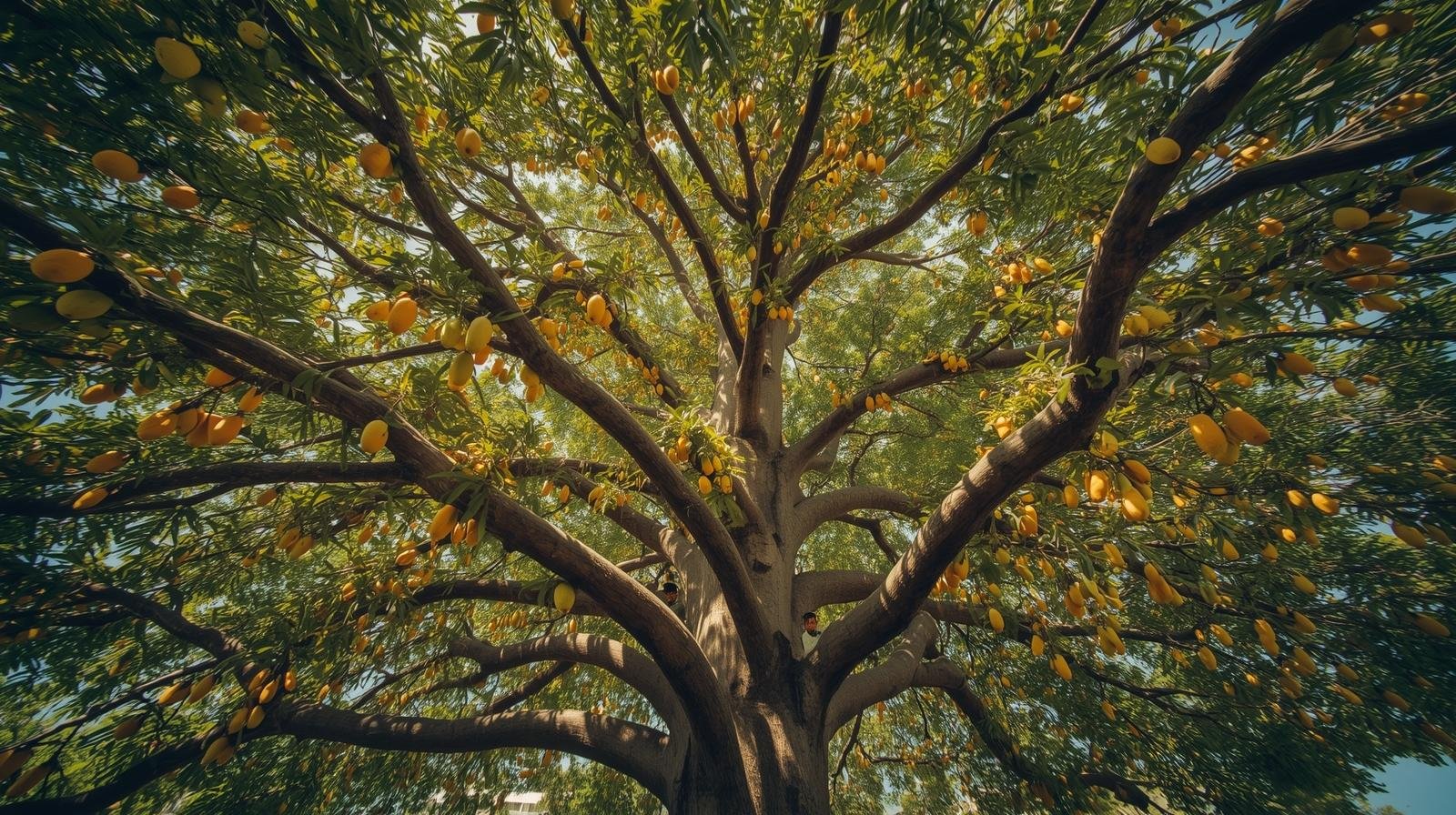
The mango tree is truly amazing, offering beauty, shade, and delicious fruits all in one plant. From its glossy leaves to its fragrant blossoms and golden fruits, the mango tree stands out in any garden or farm. This article explores why mango trees are so special, how they grow, and how to maintain them for maximum productivity.
Unique Characteristics of Mango Trees
Mango trees are evergreen with dense foliage that provides excellent shade and cooling benefits.
Growth Pattern and Tree Structure
The tree develops a strong trunk and a wide canopy, making it both functional and decorative.
Importance of Climate and Location
Warm temperatures and open, sunny locations allow mango trees to reach their full potential.
Soil Requirements for Amazing Growth
Loose, fertile soil encourages strong roots and steady nutrient uptake.
Planting for Long-Term Success
Correct planting depth and spacing reduce stress and promote healthy development.
Watering Practices for Balanced Growth
Controlled watering prevents excessive vegetative growth and supports flowering.
Nutrient Needs Throughout the Year
Seasonal fertilization improves flowering, fruit set, and fruit quality.
Flowering Season and Pollination
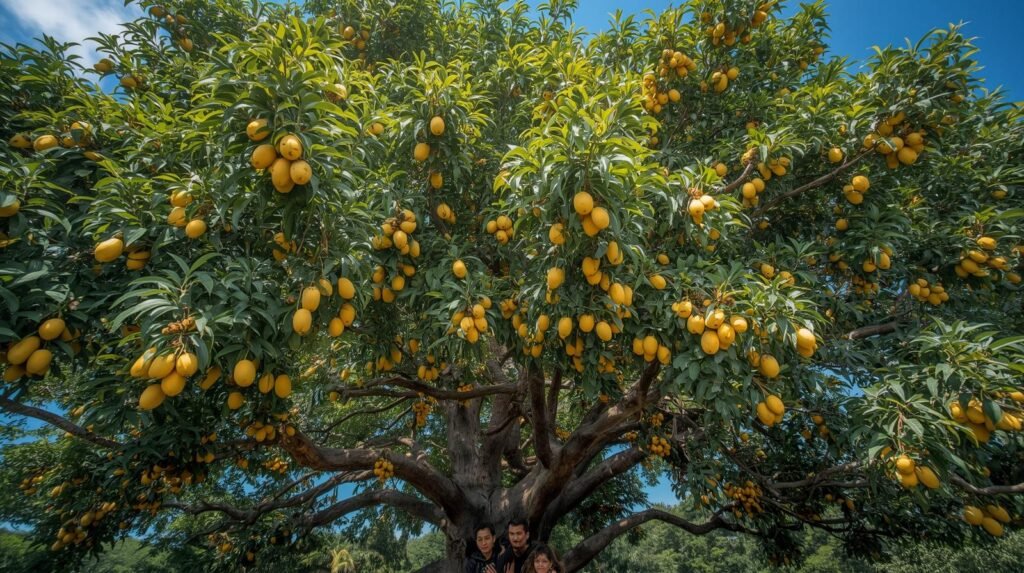
Mango flowers attract pollinators, increasing fruit production naturally.
Fruit Development Stages
Mango fruits develop slowly, gaining size, sweetness, and aroma over time.
Pest and Disease Challenges
Regular inspection helps protect the tree from common pests and infections.
Harvesting and Post-Harvest Handling
Proper harvesting techniques preserve fruit quality and extend shelf life.
Cultural and Economic Importance
Mango trees play a major role in agriculture, culture, and local economies.
Why Mango Trees Are Truly Amazing
Their longevity, productivity, and beauty make mango trees exceptional.
Quick Reference Table
| Feature | Benefit |
| Canopy | Natural shade |
| Fruits | Sweet and nutritious |
| Lifespan | Long-lived |
| Care Level | Moderate |
| Value | High |