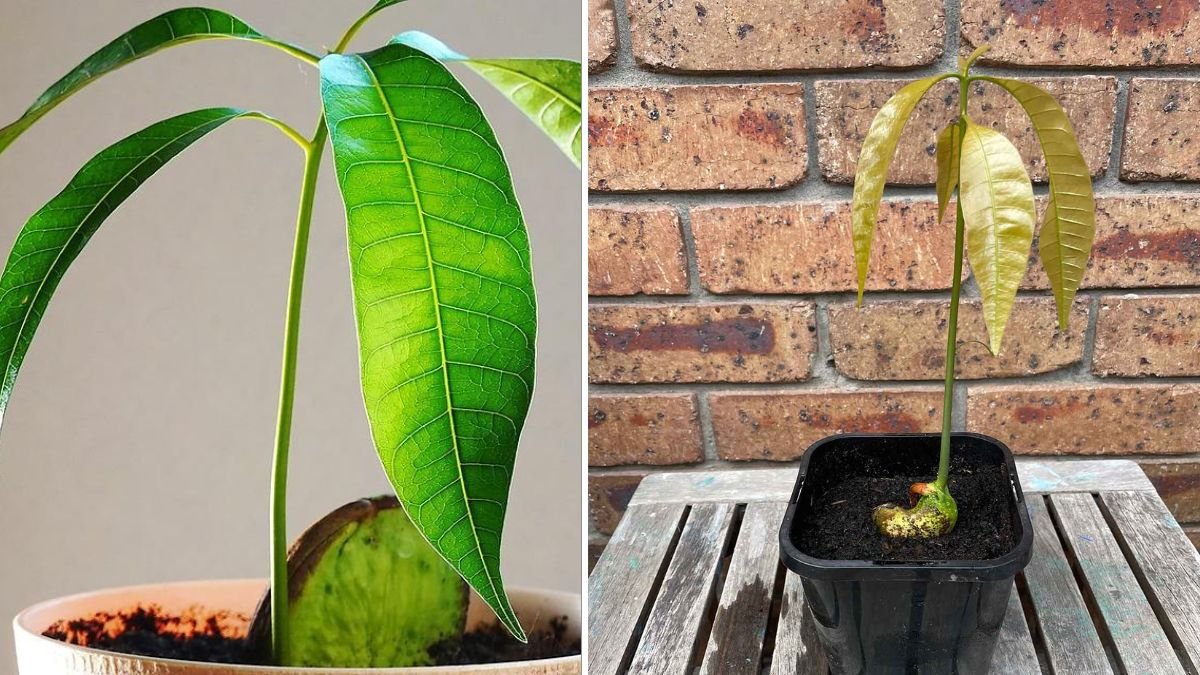
Mangoes are often called the king of fruits, and for good reason. Their sweet aroma, juicy texture, and vibrant color make them one of the most loved fruits around the world. Growing a mango tree at home is a dream for many gardeners—but propagating one can seem intimidating.
Many people believe mango trees can only be grown through complicated grafting techniques or that they cannot be propagated easily at home.
But here’s the truth:
You can absolutely propagate your own mango tree, even as a beginner.
You can do it naturally, cheaply, and with a high success rate.
And you can grow a fruiting mango tree much faster than you expect.
In this comprehensive guide, we’ll explore the easiest and most reliable ways to propagate mango trees, including seed propagation, cuttings, and air-layering. You’ll also learn how to speed up growth, protect young plants, and get fruits earlier.
Let’s begin your mango propagation journey!
Why Propagating Mango Trees Is Worth It
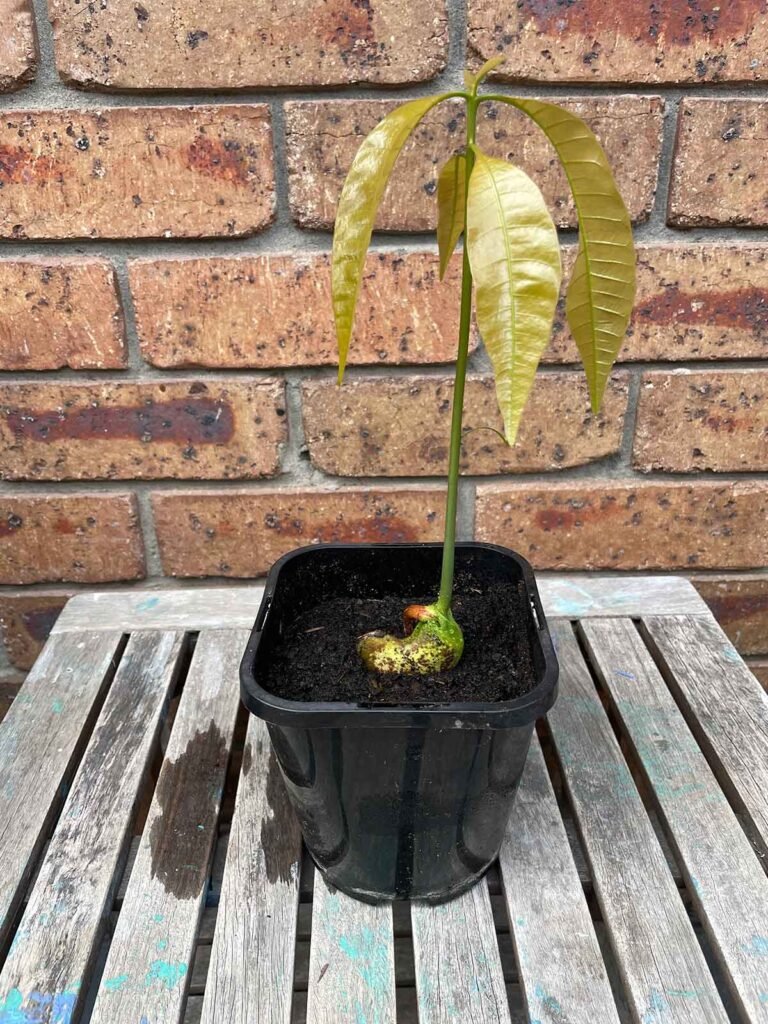
Propagating mango trees gives several advantages:
Save money
You can multiply your favorite variety without buying saplings.
Grow true-to-type plants
Especially when using cuttings or air-layering.
Faster fruiting
Propagation from mature wood leads to earlier fruiting.
Fun and educational
Watching a cutting root and grow into a fruiting tree is incredibly satisfying.
Organic & natural
No chemicals or complex techniques needed.
The Best Methods to Propagate Mango Trees
There are three main ways gardeners propagate mango trees:
- Propagation from Seeds (Easiest)
- Propagation from Cuttings (Moderately Easy & Faster)
- Air-Layering (Best for True-to-Type and Early Fruiting)
Let’s explore each in detail.
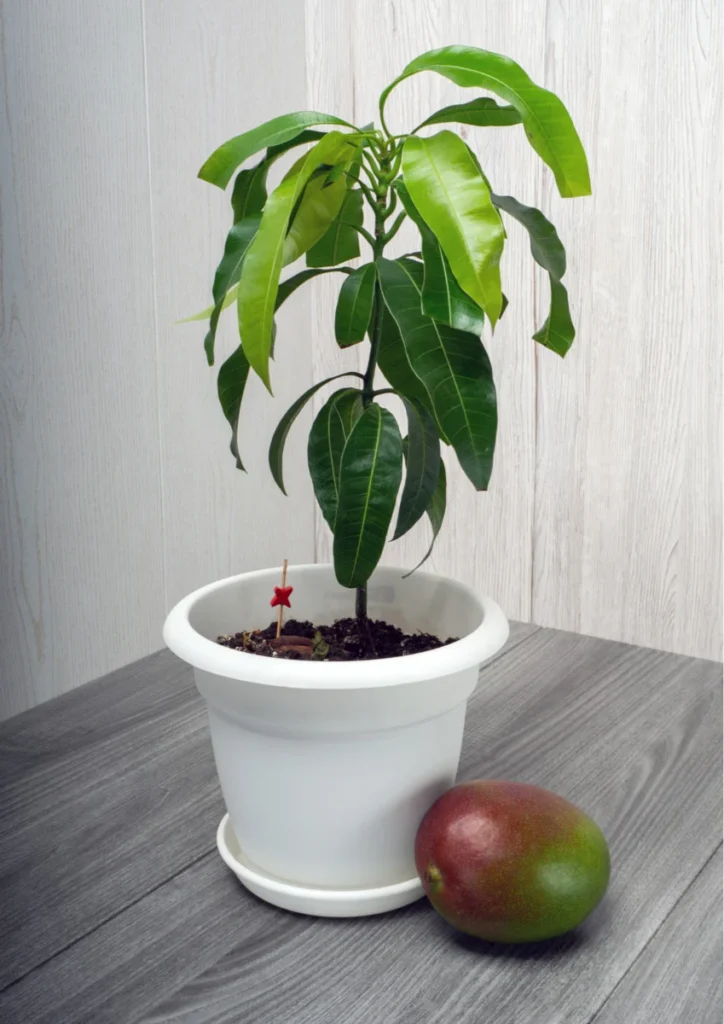
1. Propagating Mango Trees from Seeds
(Simplest, most common method)
Seed propagation is perfect for beginners because mango seeds germinate easily and grow rapidly.
Advantages
- Very easy
- No tools needed
- High germination rate
- Fun for children and beginners
Disadvantages
- Seedlings may not produce fruits similar to the parent
- Fruiting takes longer (3–6 years)
- Some plants may be weak
Step-by-Step Seed Propagation
Step 1: Choose a Ripe Mango
Pick a fully ripe mango.
Seeds from ripe fruits germinate best.
Step 2: Extract the Seed
Cut the mango and remove the seed (the big flat pit).
Step 3: Clean the Seed
Wash off pulp completely.
Step 4: Remove the Outer Husk
Carefully crack open the hard shell to expose the inner seed.
Step 5: Dry for 1 Hour
Let it dry slightly (do not fully dry).
Step 6: Prepare the Soil
Use a loose mix:
- 40% garden soil
- 40% compost
- 20% sand
Step 7: Plant the Seed
Plant horizontally or slightly tilted.
Cover lightly with soil.
Step 8: Water Lightly
Keep soil moist, not soggy.
Germination Time
Seeds sprout in 2–4 weeks.
Once sprouted:
- Give sunlight
- Keep soil loose
- Remove weak seedlings
Growth Rate
Seed-grown mango trees grow extremely fast during the first year.
But fruiting may take:
👉 4–6 years
2. Propagating Mango Trees from Cuttings
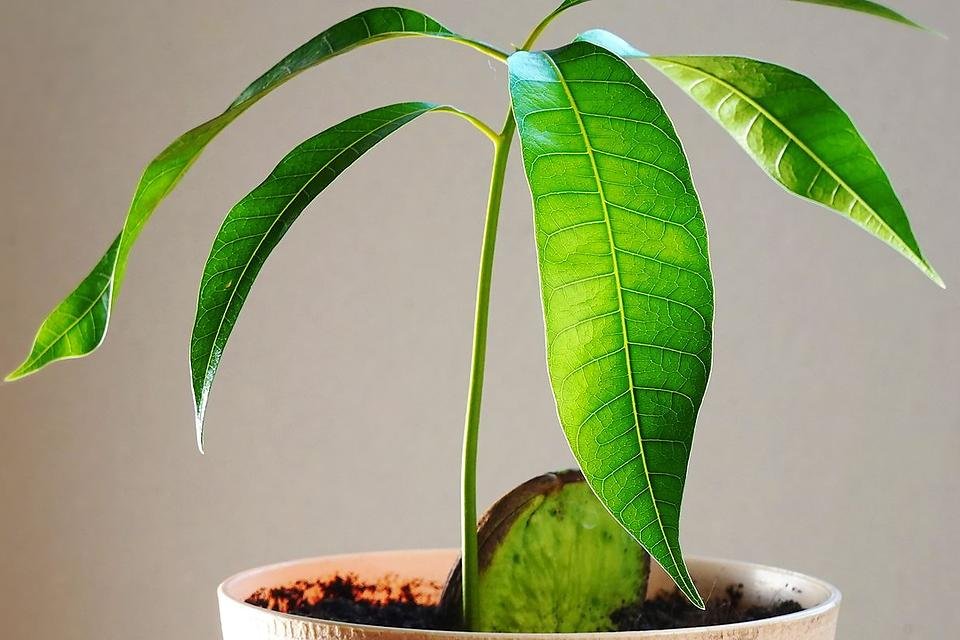
(Faster, stronger, true-to-type plants)
Many gardeners believe mango cuttings won’t root.
But with the right technique, mango cuttings root beautifully.
This method gives you:
- A clone of the parent
- Earlier fruiting (2–3 years)
- Strong stems
- Higher success rate
What You Need
- Healthy mango branch
- Sharp knife
- Rooting medium
- Pot
- Aloe vera or honey (optional natural booster)
Step-by-Step Cutting Propagation
Step 1: Choose a Healthy Branch
Select:
- Semi-hardwood
- 6–8 inches long
- No flowers
- Healthy leaves
Step 2: Cut Cleanly
Cut below a node at a slant.
Step 3: Remove Lower Leaves
Leave 1–2 leaves at the top.
Step 4: Apply Natural Boosters
Use:
- Aloe vera gel
- Honey
- Cinnamon powder
These:
- Prevent rot
- Speed root formation
- Stimulate natural hormones
Step 5: Prepare the Rooting Medium
Mix:
- Cocopeat
- Compost
- Sand
Ratio: 40:40:20
Step 6: Plant the Cutting
Insert 2–3 inches deep.
Step 7: Create Humidity
Cover with:
- Plastic bag
- Bottle
- Transparent container
Rooting Time
Roots form in 4–6 weeks.
Signs:
- New leaves
- Cutting feels firm
- Slight resistance when pulled
3. Air-Layering (Best Method for Early Fruiting & Cloning)
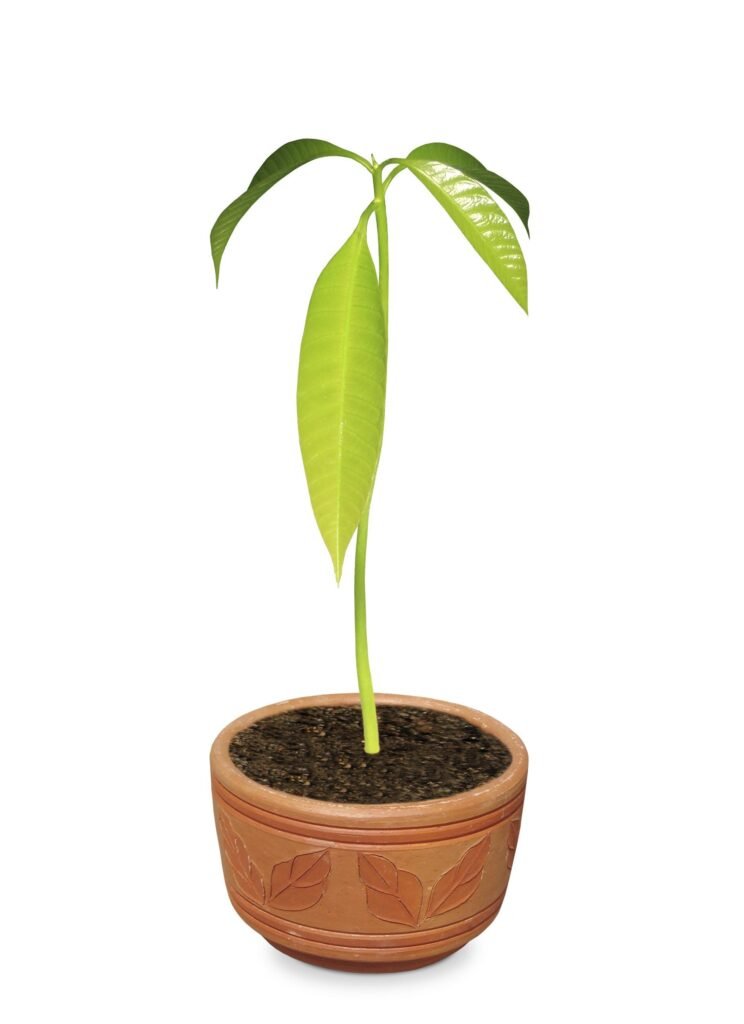
Air-layering is the most powerful method for mango propagation.
It works even on mature trees and produces a plant that fruits very early.
Advantages
- 90–100% success rate
- Strong root system
- Fruits faster (1–2 years)
- Identical to parent
- No transplant shock
Step-by-Step Air-Layering
Step 1: Choose a Healthy Branch
Prefer:
- Finger-thick
- Green
- 1–2 years old
Step 2: Remove a Ring of Bark
Remove a 1-inch ring around the branch.
Scrape the green layer until white wood appears.
Step 3: Apply Natural Root Stimulator
Apply:
- Aloe vera
- Honey
- Turmeric solution
Step 4: Wrap With Moist Cocopeat
Pack around the exposed area.
Step 5: Seal With Plastic
Tie both ends tightly.
Step 6: Wait for Roots
Roots develop in 4–8 weeks.
Step 7: Cut and Plant
Cut below the roots and plant in a pot.
How to Grow Your Propagated Mango Tree Faster
Propagation is just the beginning.
Proper care ensures your mango tree grows fast and fruits early.
1. Provide Full Sunlight
Mango trees need:
6–10 hours of sunlight
Direct midday sun
Sunlight = stronger growth + earlier fruiting.
2. Water Properly
Rules:
- Keep soil slightly moist
- Avoid stagnation
- Reduce watering in winter
Young trees need more water than mature trees.
3. Use Organic Fertilizers
Feed every 30–45 days:
- Vermicompost
- Cow dung compost
- Banana peel fertilizer
- Seaweed extract
- Bone meal (for flowering)
Organic nutrients boost growth without burning roots.
4. Prune Young Trees
Pruning helps:
- Shape the tree
- Encourage branching
- Improve airflow
- Promote flowering
Cut the top at 3–4 feet to stimulate multiple branches.
5. Protect From Pests
Common pests:
- Aphids
- Mealybugs
- Fruit borers
Use:
- Neem oil
- Soap water
- Turmeric spray
When Will Your Propagated Mango Tree Bear Fruit?
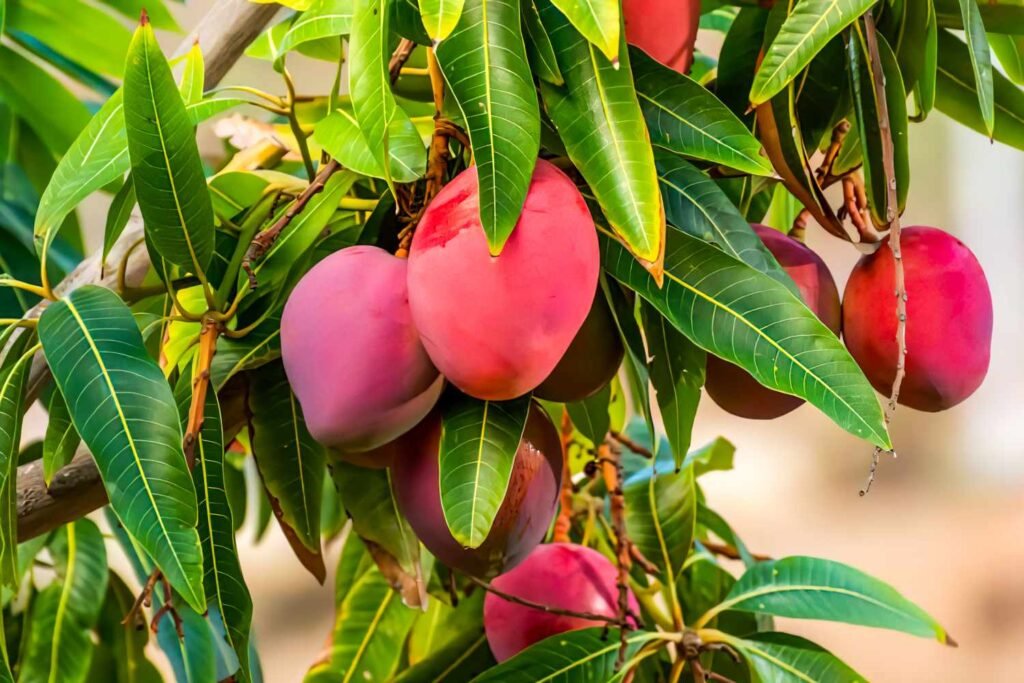
| Propagation Method | Time to Fruit |
|---|---|
| Seeds | 4–6 years |
| Cuttings | 2–3 years |
| Air-layering | 1–2 years |
Air-layering is the fastest method
Cuttings are the easiest after seeds
Seeds are best for beginners
Tips to Ensure High Success Rate
Choose healthy parent trees
Diseased plants produce weak offspring.
Avoid overwatering
Most cuttings fail due to rot.
Provide shade during rooting
Too much sun dries cuttings.
Remove flowers on young plants
Flowers drain energy → slow growth.
Keep humidity high
Humidity helps roots form faster.
Final Thoughts: You Can Absolutely Propagate Your Own Mango Tree
Propagating a mango tree may sound difficult, but with the correct method, it becomes one of the most satisfying gardening projects you can do.
Whether you choose:
- Seeds (easy and fun),
- Cuttings (faster and stronger), or
- Air-layering (best and most reliable),
you can grow a beautiful mango tree right at home.
With proper care, sunlight, watering, and organic feeding, your new plant will grow vigorously and reward you with sweet, aromatic mangoes.