Growing a lemon tree at home is a dream for many gardeners. The aroma of blooming flowers, the vibrant green foliage, and the fresh, tangy fruits make lemon trees one of the most beloved fruit plants worldwide. But many people struggle with slow growth, weak stems, or poor fruiting because they don’t follow the right techniques.
Fortunately, there is a best, most effective way to grow a lemon tree—the same methods used by expert gardeners and farmers. In this 1200-word guide, you’ll learn the most powerful strategies for growing a healthy, fast-growing lemon tree that produces fruits consistently.
Whether you’re planting in a pot or the ground, these techniques guarantee success.
Let’s explore the absolute best way to grow your lemon tree!
1. Choose the Perfect Location – Sunlight Is Everything
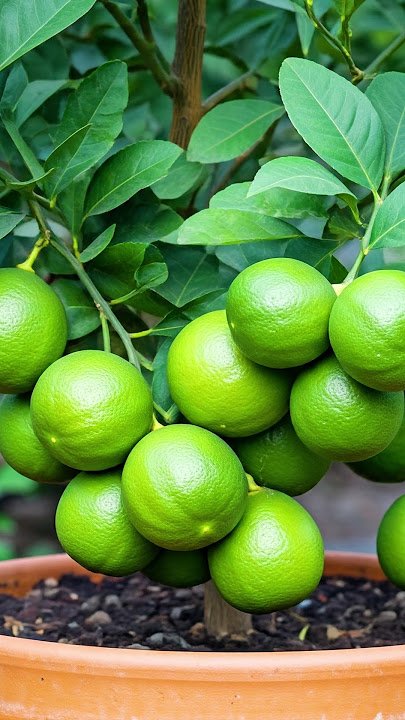
Lemon trees are sun-loving plants.
Without sunlight, no matter how good your soil or fertilizer is, the tree will not grow fast.
Lemon trees need:
- 6–8 hours of direct sunlight per day
- Bright and warm conditions
- Protection from strong winds
Full sun improves:
- Photosynthesis
- Branch strength
- Leaf growth
- Flowering
- Fruit quality
If you grow lemon trees in pots, move them regularly to the sunniest spot.
2. Prepare the Best Soil Mix for Rapid Growth
Healthy soil leads to a healthy tree.
Lemon trees prefer well-draining, slightly acidic soil.
Professional Soil Mix:
- 40% garden soil
- 30% compost or cow dung manure
- 20% sand or perlite
- 10% cocopeat
Add these growth boosters:
- 1 handful neem cake
- 1 tbsp bone meal or rock phosphate
- 1 cup vermicompost
This combination:
- Prevents root rot
- Encourages deep root growth
- Improves aeration
- Provides steady nutrients
A strong root system = faster above-ground growth.
3. Plant Your Lemon Tree Correctly (The Secret Step Many People Miss)
Planting mistakes slow growth dramatically.
Planting Instructions:
- Dig a hole 60 cm wide and deep
- Mix soil with compost
- Place the plant gently
- Keep the graft union 6–8 cm above soil
- Fill the hole and press gently
- Water deeply
If the graft union touches soil, the plant may rot or grow weak.
4. Watering – The Most Important Part of Lemon Tree Care
Many lemon trees fail due to improper watering.
Professional Watering Method:
- Water 1–2 times per week
- Water deeply
- Allow the top layer to dry
- Do NOT water every day
Symptoms of overwatering:
- Yellow leaves
- Leaf drop
- Slow growth
- Fungal issues
Seasonal Adjustments:
- Summer: Slightly more water
- Winter: Reduce water by half
Correct watering promotes:
- Strong roots
- Healthy leaves
- Fast growth
- Better fruiting
5. Fertilize Like a Pro for Maximum Growth & Yield
Lemon trees respond beautifully to organic fertilizers.
Monthly Fertilizer Routine:
Every 30 days:
- 1–2 kg compost/cow dung
- 2–3 handfuls vermicompost
- 1 cup mustard cake (soaked)
- Banana peel fertilizer
Every 2–3 months:
- Bone meal (root growth)
- Potassium sulfate (fruiting)
- Seaweed extract (leaf growth)
Balanced nutrients lead to:
- Faster growth
- Strong stems
- Dense foliage
- More flowers
- Bigger fruits
6. Pruning – The Absolute Best Technique for Faster Growth
Pruning shapes the tree and forces it to grow faster.
When to prune:
- When the plant reaches 2–3 feet
- After fruiting
- Remove weak or diseased branches
How to prune:
- Cut 2–3 inches from the top
- Remove inward-growing branches
- Keep 3–4 main branches
- Maintain an open canopy
Benefits:
- Faster branching
- Stronger structure
- Better sunlight exposure
- Earlier fruiting
7. Mulching for Faster Growth and Moisture Retention
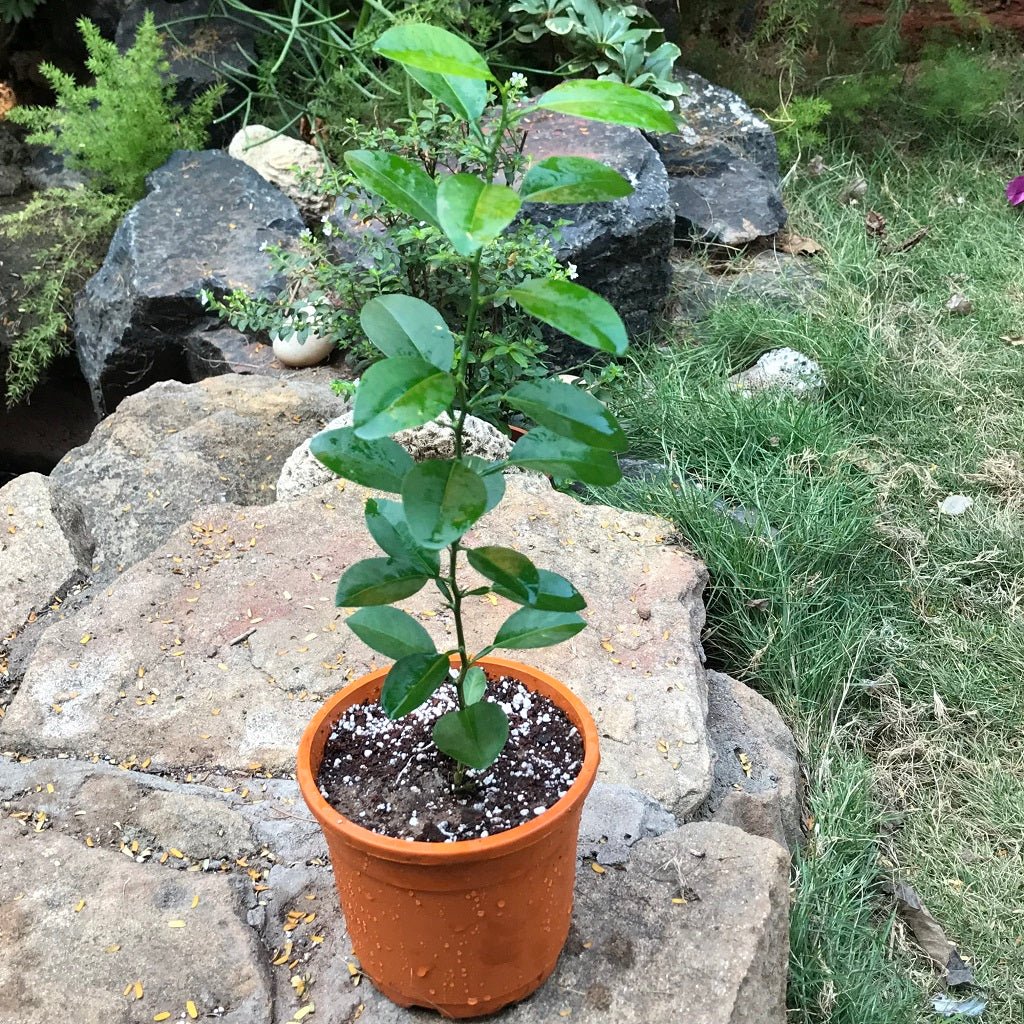
Mulching helps roots stay cool and moist.
Good mulching materials:
- Dry leaves
- Rice straw
- Coconut husk
- Wood chips
- Sugarcane waste
Benefits:
- Reduces watering
- Keeps soil temperature stable
- Prevents weeds
- Adds organic nutrients
Apply 2–3 inches but keep mulch away from the trunk.
8. Keep the Tree Pest-Free Naturally
Pests steal nutrients and slow growth.
Common pests:
- Aphids
- Whiteflies
- Scale insects
- Mealybugs
- Spider mites
Natural Pest Spray:
- 1 tbsp neem oil
- 1 tsp liquid soap
- 1 litre water
Spray every 10–15 days.
A pest-free tree grows faster and produces better fruits.
9. Train Your Lemon Tree for Better Structure
Training allows:
- Better airflow
- More sunlight
- Faster growth
- Strong structure
- Higher fruit yield
Training method:
- Select 3–4 main branches
- Remove inward shoots
- Shape into a vase
- Maintain balance
10. Pot Size Matters for Growth Speed
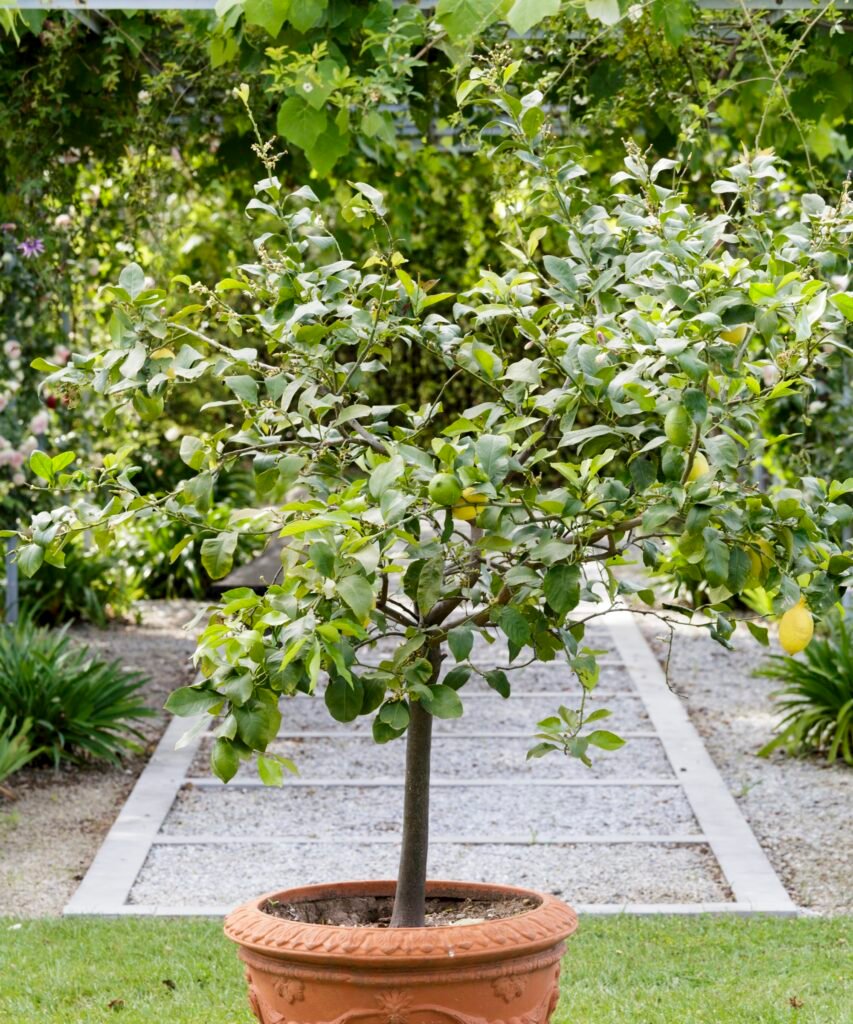
In pots, roots get confined, slowing growth.
Recommended pot sizes:
- Young tree: 12–14 inches
- Growing tree: 18–20 inches
- Mature tree: 24 inches+
Good drainage is essential.
11. Power Boosters That Accelerate Growth
Professional gardeners use natural boosters:
Epsom Salt (Magnesium)
- 1 tsp per litre
- Monthly spray
- Boosts leaf growth
Jaggery Water
Improves soil microbes.
Banana Peel Fertilizer
Rich in potassium → stronger growth.
Compost Tea
Enhances nutrient absorption.
These boosters speed up growth dramatically.
12. Encourage Flowering for More Fruits
Flowering happens when:
- Sunlight is adequate
- Potassium is high
- Nitrogen is balanced
- Tree is stress-free
Tips:
- Keep soil moist
- Avoid overfertilizing
- Protect from pests
- Provide sun
Flowers = fruits → success!
13. Protect Your Tree From Weather Stress
Lemon trees dislike:
- Frost
- Heavy rain
- Strong wind
- Extreme heat
Protect by:
- Mulching
- Providing shade
- Using wind barriers
- Moving pots
- Wrapping trunks
Stress slows growth—protection speeds it up.
14. Harvest Lemons at the Perfect Time
Lemons are ready when:
- Color turns yellow
- Skin feels firm
- Aroma is strong
Cut fruits gently.
Regular harvesting encourages more fruiting.
Conclusion — The Absolute Best Way to Grow Your Lemon Tree
Growing a lemon tree successfully requires combining multiple techniques:
Full sunlight
Nutrient-rich soil
Correct watering
Organic fertilizers
Smart pruning
Mulching
Pest-free environment
Growth boosters
Proper training
Weather protection
When these steps are followed together, your lemon tree:
- Grows faster
- Becomes stronger
- Produces more flowers
- Yields more fruits
- Remains healthy for years
This is truly the absolute best way to grow your lemon tree like a professional gardener.