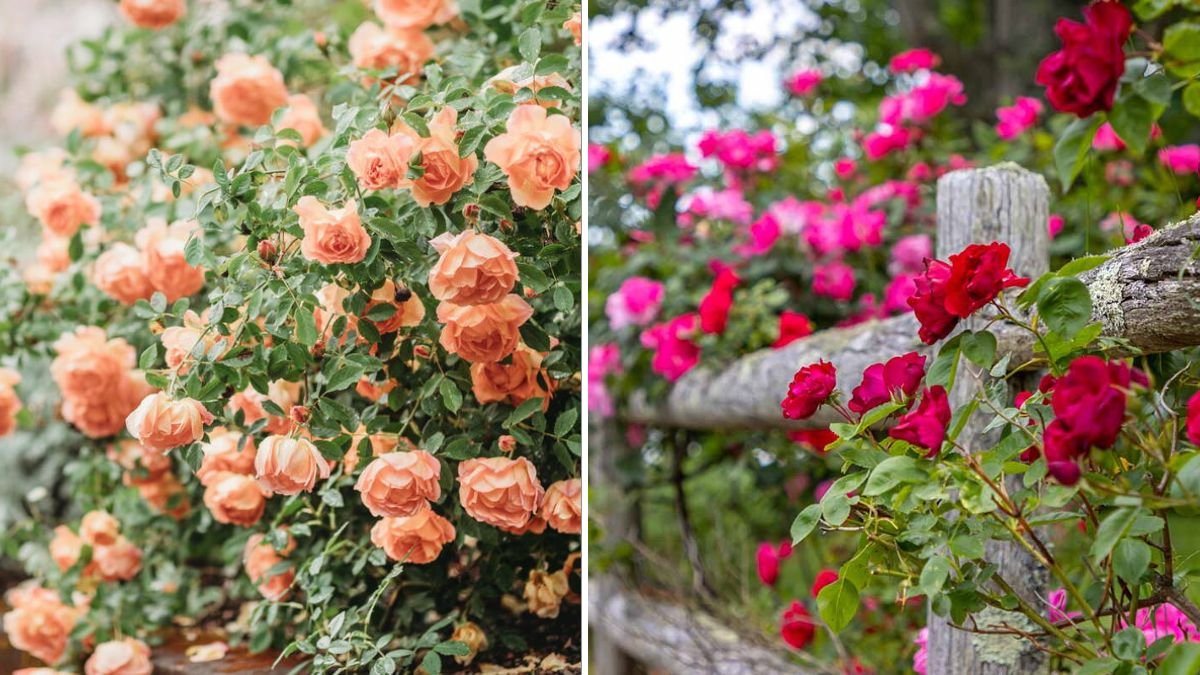
Roses have captivated human hearts for centuries. Their beauty, fragrance, and elegance make them the most adored flowers in gardens across the world. Whether it is a classic red rose symbolizing love, a soft pink rose representing grace, or a yellow rose expressing friendship—every color tells a story.
In today’s gardening world, roses remain the queen of flowers, admired not only for their beauty but also for their versatility. They grow in pots, gardens, balconies, and even as hedges. With proper care, a single rose plant can bloom continuously throughout the year.
In this detailed 1200-word article, we explore everything about rose flowers – from growing and caring to propagating them easily at home. If you are a beginner or a seasoned gardener, this guide will help you understand the magic behind these enchanting blooms.
Let’s begin your journey into the world of roses.
Why Roses Are So Special
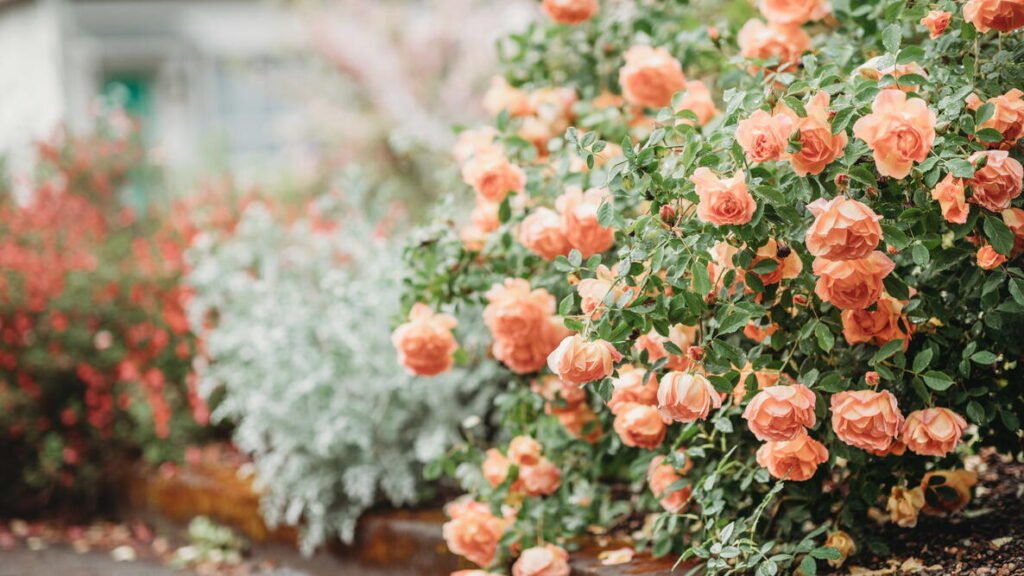
Roses stand out because of several unique qualities:
- Fragrance: One of the most aromatic flowers
- Color variety: Red, white, pink, orange, yellow, peach, lavender
- Symbolism: Love, beauty, purity, friendship
- Longevity: Many roses bloom repeatedly
- Adaptability: Grow in soil, pots, or as climbers
Because roses have such a wide range of varieties, gardeners can choose based on climate, fragrance, or bloom size.
Understanding Rose Types
There are many categories of roses. Knowing them helps you choose the right plant for your garden.
1. Hybrid Tea Roses
Large, single blooms on long stems—perfect for bouquets.
2. Floribunda Roses
Clusters of flowers, ideal for garden beds.
3. Miniature Roses
Small, compact plants—excellent for pots.
4. Climbing Roses
Grow vertically on trellises and walls.
5. Shrub Roses
Hardy, bushy plants with continuous blooms.
Every type has its charm, and with good care, any of them can flourish beautifully.
How to Grow Roses Successfully at Home
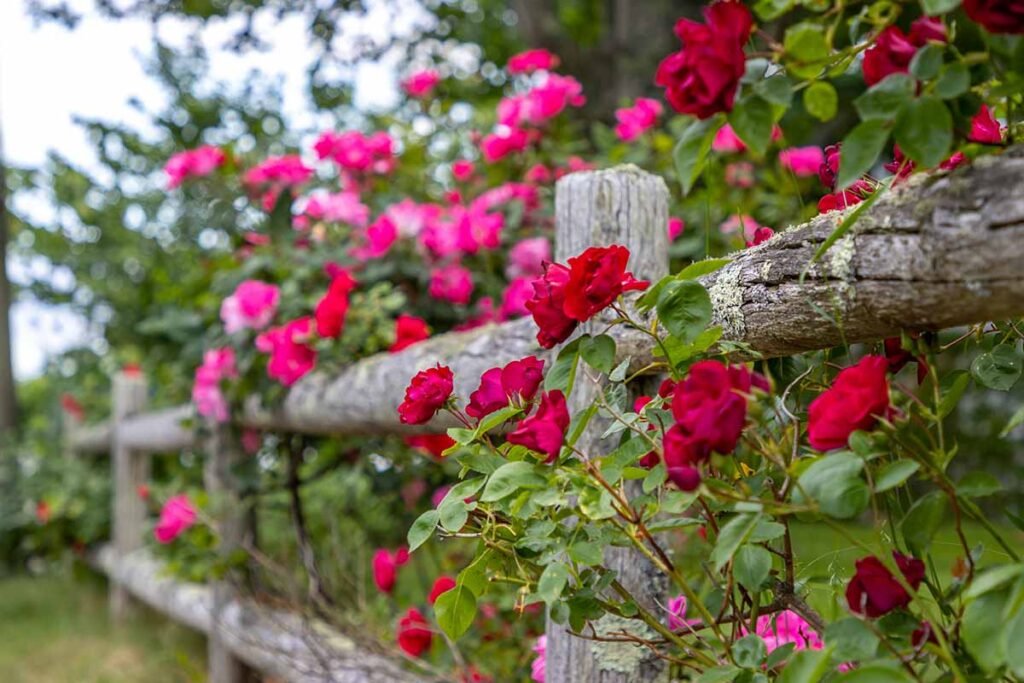
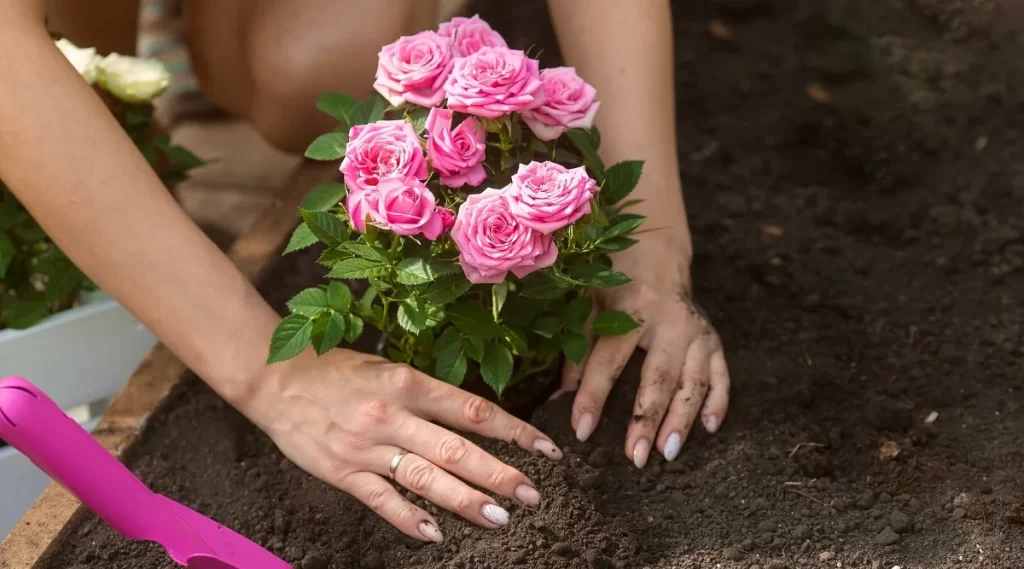
Growing roses is not as difficult as many people think. They simply need the right conditions.
1. Choose a Healthy Plant or Sapling
Whether you buy from a nursery or propagate your own, always choose:
- Green, healthy stems
- No fungal spots
- Firm leaves
- No pests
Healthy plants grow faster and flower earlier.
2. Use the Right Soil Mix
Roses need soil that drains well but still holds nutrients.
Best Soil Mix:
- 40% garden soil
- 40% compost
- 20% sand or cocopeat
This mixture gives roses what they love:
- Oxygen
- Moisture
- Nutrients
- Aeration
3. Provide Plenty of Sunlight
Roses require at least 5–6 hours of direct sunlight daily.
Sunlight helps plants:
- Produce more flowers
- Stay healthy
- Fight diseases
- Grow strong stems
Shady areas lead to weak plants and poor blooming.
4. Watering Roses Correctly
Water deeply but infrequently.
Water when the top soil dries
Avoid wet, soggy soil
Water early morning
Keep water off the leaves
Overwatering leads to fungal problems like black spot or mildew.
5. Fertilizing for Bigger, Brighter Blooms
Roses are heavy feeders. They respond amazingly to proper fertilizer.
Ideal Fertilizers:
- Organic compost
- Bone meal
- Neem cake
- Rose-specific fertilizer
- Phosphorus-rich bloom booster
Feeding Schedule:
- Every 15 days in summer
- Every 25 days in winter
- Stop feeding during extreme cold
Plants produce more buds and healthier stems with regular feeding.
6. Pruning Roses for Maximum Blooms
Pruning is the secret behind lush roses.
When to prune:
- Late winter
- Early spring
How to prune:
- Remove dead wood
- Cut weak stems
- Keep 3–5 strong stems
- Trim above a leaf node
- Shape the bush
Proper pruning increases:
- Airflow
- Flowering
- Plant health
- Shape
Caring for Roses: Preventing Diseases and Pests
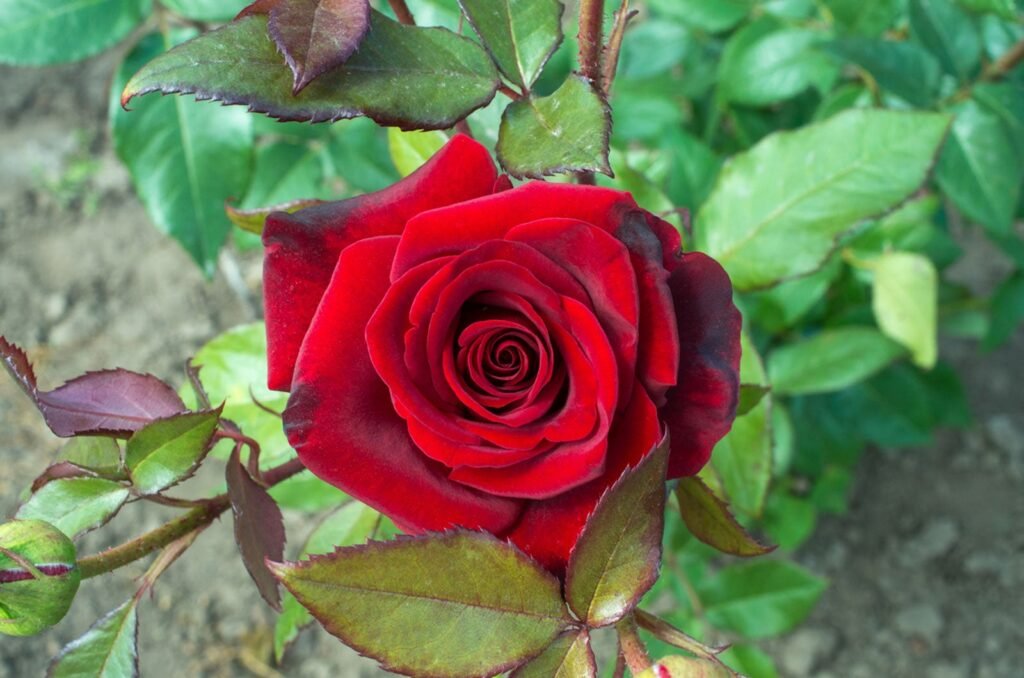
Roses attract pests because of their soft leaves and juicy stems.
Common problems include:
Aphids
Small green insects that suck sap.
Spider mites
Cause yellow speckles.
Black spot
Fungal disease causing black patches.
Powdery mildew
White powder on leaves.
Natural Solutions:
- Neem oil spray
- Soap water
- Garlic spray
- Cinnamon powder
- Aloe vera extract
Spray once every 10 days or whenever pests appear.
Healthy plants resist disease more easily.
How to Propagate Roses Easily
One of the best ways to multiply roses is propagation by cuttings.
This method creates genetic clones, so the new plant will bloom exactly like the parent.
Step-by-Step Rose Cutting Propagation
Step 1: Choose a Semi-Hardwood Stem
A stem that is slightly firm but not woody.
Step 2: Cut 6–8 inches
Use a clean, sharp tool.
Step 3: Remove Lower Leaves
Leave only 1–2 leaves at the top.
Step 4: Dip in Rooting Hormone
(optional but increases success)
Step 5: Plant in a Light Mix
Use:
- Sand
- Cocopeat
- Perlite
Step 6: Keep Humid
Cover with a plastic bottle or bag.
Step 7: Place in Indirect Light
Roots develop in 4–6 weeks.
Once new leaves appear, transfer to a normal pot.
Tips for Better Flowering
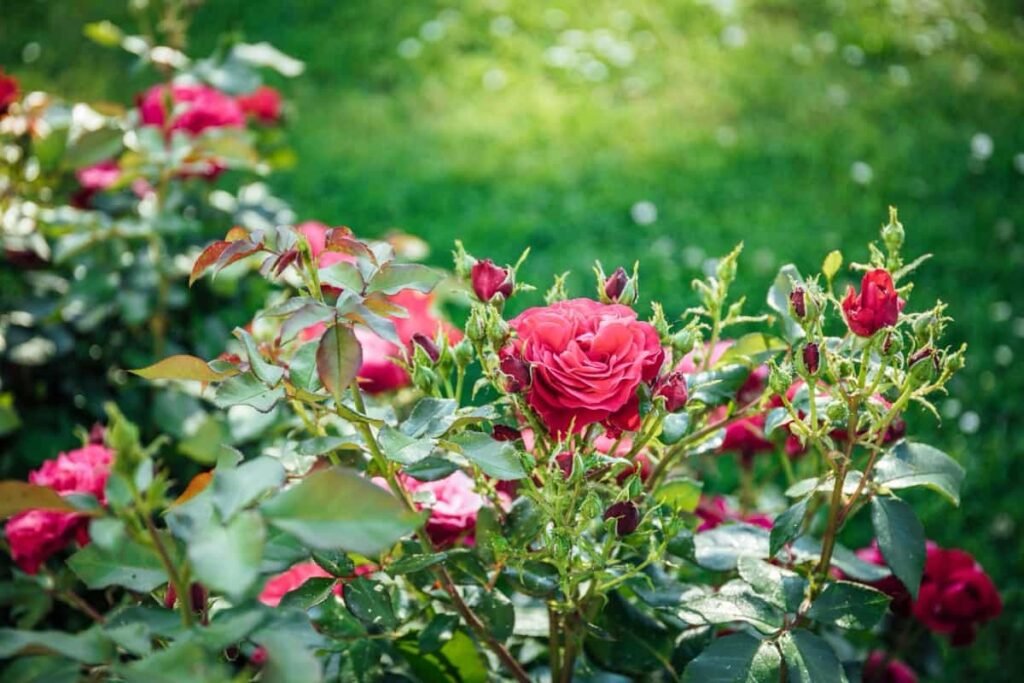
To enjoy continuous blooms:
Give enough sunlight
Feed regularly
Water deeply
Prune after blooming
Remove faded flowers
Keep soil healthy
Deadheading (removing old flowers) encourages new buds.
Rose Flowering Seasons
Roses bloom in:
- Spring
- Early summer
- Autumn
Many varieties bloom year-round in warm climates.
Best Roses for Beginners
If you’re starting out, choose hardy varieties such as:
- Knock Out Roses
- Miniature roses
- Floribunda
- Shrub roses
These require less maintenance and bloom beautifully.
Decorative Uses of Roses
Roses aren’t just garden plants—they are versatile.
Bouquet making
Perfume extraction
Garlands
Floral decorations
Dried flower crafts
Rose tea
Rose water
Their beauty and fragrance add charm everywhere.
Why Roses Stay Forever Popular
Roses represent:
- Love
- Passion
- Beauty
- Celebration
- Strength
Their timeless appeal is why roses remain at the top of the floral world.
Every rose plant tells a story—whether it grows in a balcony pot or a huge garden.
Final Thoughts
Growing roses is a rewarding experience. With sunlight, good soil, proper watering, and a little care, roses flourish and reward gardeners with spectacular blooms.
Whether you enjoy their fragrance, use them for decoration, or propagate new plants, roses bring beauty into every space.
With this guide, you now know how to:
grow roses
care for them
prune correctly
prevent diseases
propagate new plants
enjoy continuous flowering
Start your rose journey today, and soon your garden will be filled with vibrant, fragrant blooms—just like a paradise.