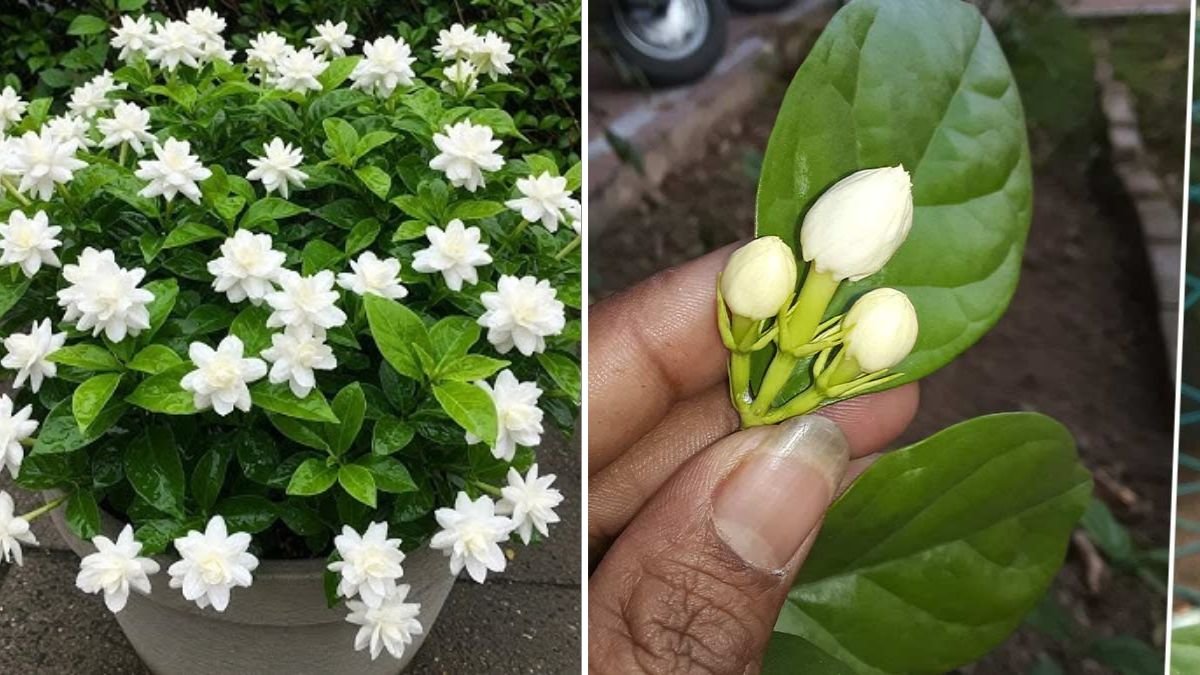
Mogra, also known as Arabian jasmine or Jasminum sambac, is one of the most beautiful and fragrant flowers in the world. Its sweet aroma fills homes, temples, and gardens with a soothing fragrance, making it a favorite among gardeners and flower lovers. Whether you want mogra flowers for religious rituals, garlands, perfumes, or simply to beautify your garden, growing this plant at home is both easy and rewarding.
Although mogra is known for its delicate beauty, it is surprisingly hardy. With proper care, the plant can bloom throughout the year, producing clusters of white, star-shaped flowers that captivate everyone who smells them.
In this detailed 1200-word guide, we will explore how to grow mogra step by step, including soil requirements, watering techniques, pruning, propagation, and common mistakes to avoid.
Let’s dive into the fragrant world of mogra!
What Is Mogra (Jasmine)?
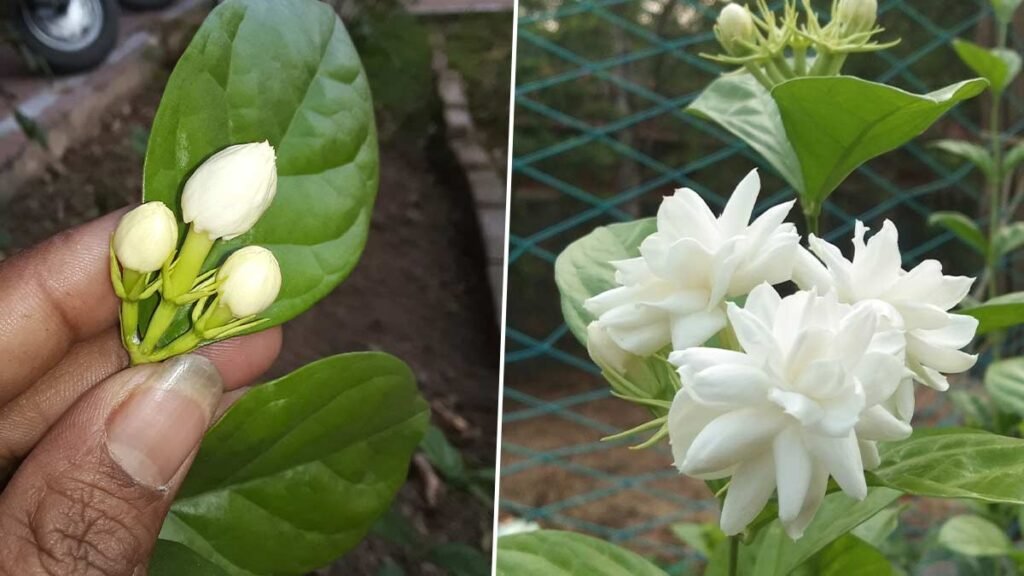
Mogra, scientifically called Jasminum sambac, is a small evergreen shrub belonging to the olive family. It is widely cultivated across Asia, especially in India, Pakistan, Bangladesh, and Southeast Asia.
Key Features of Mogra:
- Beautiful white flowers
- Strong, sweet fragrance
- Blooms throughout the year
- Can grow in pots or soil
- Used for garlands and perfumes
- Easy to maintain
Because mogra is evergreen, it remains green and attractive even when not flowering.
Choosing the Right Plant or Cutting
You can grow mogra in two ways:
1. From saplings (easy method)
Buy a healthy plant from the nursery.
2. From cuttings (propagation method)
Grow new plants by rooting fresh stems.
For beginners, saplings are simpler because they establish quickly.
Best Location to Grow Mogra
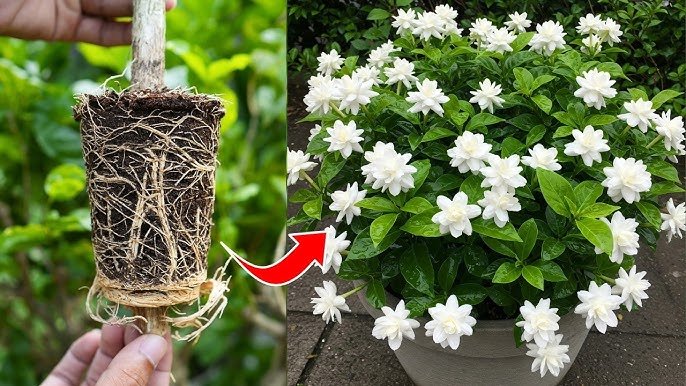
Mogra thrives in warm climates and loves sunlight.
Ideal Sunlight:
- 5–6 hours of direct sunlight
- Morning sun is best
- Avoid harsh afternoon heat
In pots, place it on:
- Balcony
- Terrace
- Garden corner
- Near windows
Good sunlight improves:
- Flowering
- Growth
- Fragrance
- Plant health
Soil Requirements for Mogra
Mogra prefers loose, well-drained soil.
Best Soil Mix:
- 40% garden soil
- 40% compost or manure
- 20% sand or cocopeat
This mixture provides:
- Drainage
- Nutrition
- Aeration
- Moisture retention
Avoid sticky clay soil because it causes root rot.
How to Water Mogra Properly
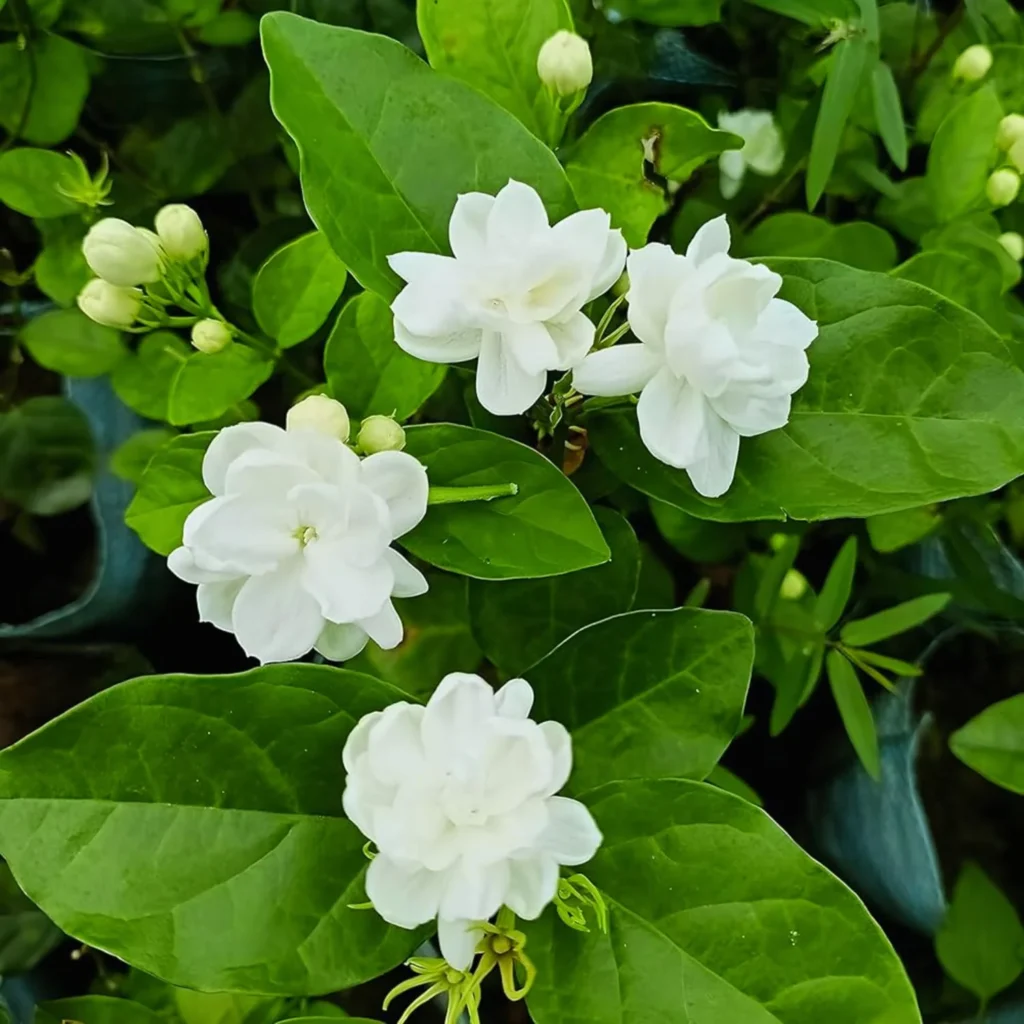
Watering plays a major role in growth.
Watering Rules:
- Keep soil evenly moist
- Do not let it dry completely
- Avoid waterlogging
- Water early morning
- Reduce watering in winter
During flowering season:
Water slightly more
During winter:
Water less
Overwatering is the biggest reason mogra plants fail.
Fertilizing Mogra for Healthy Blooms
Mogra is a heavy flower producer and needs feeding.
Best Fertilizers:
- Organic compost
- Cow dung manure
- Bone meal
- Flowering plant fertilizer
- Neem cake
Feeding Schedule:
- Every 15 days in summer
- Every 25 days in winter
- Stop feeding during extreme cold
Fertilizer increases:
- Flower size
- Flowering frequency
- Plant vigor
- Fragrance
Pruning Mogra for More Flowers
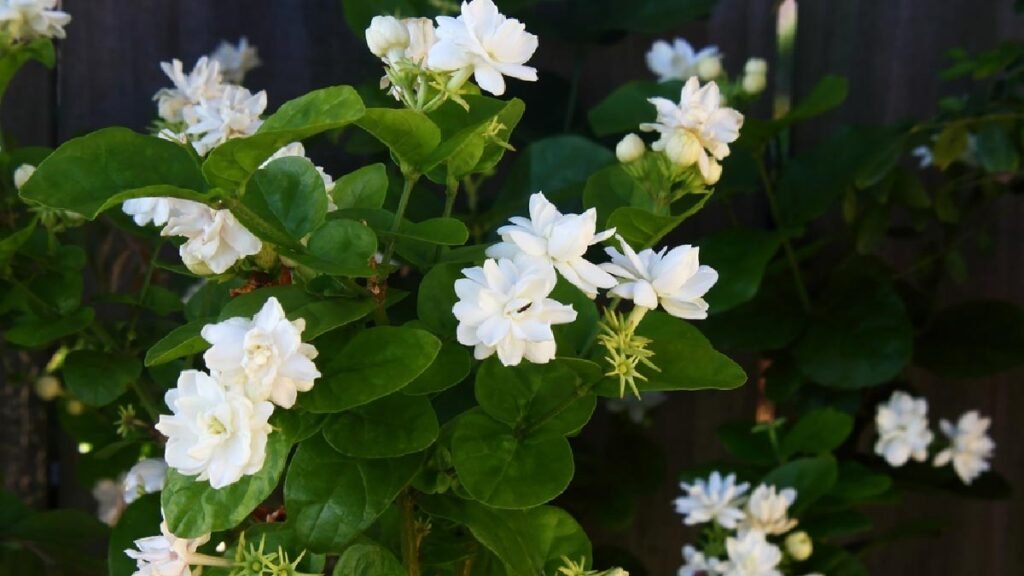
Pruning helps keep the plant compact and encourages blooming.
When to Prune:
- After flowering
- During early spring
- Remove dead or weak stems
How to Prune:
- Cut just above a leaf node
- Remove overcrowded branches
- Shape the plant
- Keep it bushy
Proper pruning results in:
More flowers
Stronger stems
Healthier plant
How to Encourage More Flowers
If your mogra plant grows leaves but not flowers, try these tips:
Give more sunlight
Flowers need light to develop.
Reduce nitrogen
Too much nitrogen creates leaves but not flowers.
Water well before flowering
Stress reduces flower production.
Cut spent flowers
This triggers new blooms.
Apply phosphorus fertilizer
Phosphorus boosts flowering.
Propagation: How to Grow Mogra from Cuttings
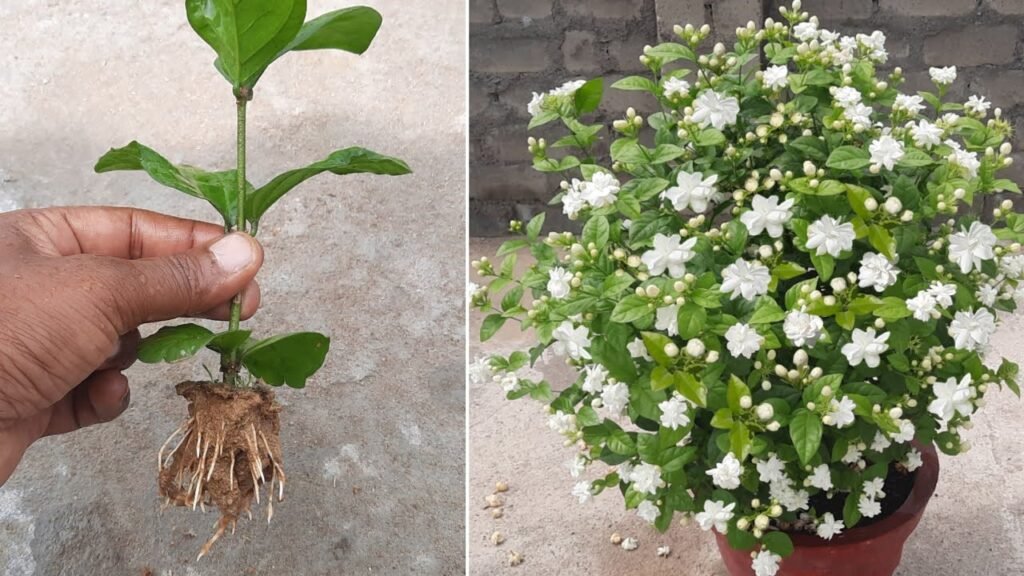
Propagating mogra is simple and highly successful.
Step 1: Choose a Healthy Stem
- Semi-hardwood
- 6–8 inches
- With 2–3 nodes
Step 2: Cut Cleanly
Use sharp tools.
Step 3: Remove Lower Leaves
Leave 1–2 leaves at the top.
Step 4: Apply Rooting Hormone
Use:
- Aloe vera
- Honey
- Commercial powder
- Cinnamon
Step 5: Plant in the Medium
Use:
- Cocopeat
- Sand
- Perlite
Insert cutting 2–3 inches deep.
Step 6: Maintain Humidity
Cover with:
- Plastic bottle
- Plastic bag
Step 7: Keep in Shade
Indirect sunlight only.
Roots form in 2–4 weeks.
Care During Different Seasons
Summer
- Water daily
- Provide morning sun
- Shade in afternoon
- Mulch soil
Winter
- Reduce watering
- Protect from cold winds
- Avoid fertilizer
Monsoon
- Prevent fungal diseases
- Avoid soggy soil
- Remove affected leaves
Common Problems & Solutions
1. Yellow Leaves
Cause: Overwatering
Fix: Reduce water + improve drainage
2. No Flowers
Cause: Low sunlight or high nitrogen
Fix: Give sun + phosphorus fertilizer
3. Powdery Mildew
Cause: Humidity
Fix: Neem spray
4. Aphids
Cause: Pests
Fix: Soap water spray
5. Root Rot
Cause: Waterlogging
Fix: Repot + dry soil
Healthy plants bloom more.
Uses of Mogra Flowers
Mogra flowers are not only beautiful but also useful.
Popular uses:
- Garlands
- Religious rituals
- Perfumes
- Essential oils
- Decoration
- Aromatherapy
- Hair adornments
The fragrance is relaxing and uplifting.
Why Mogra Is a Favorite Among Gardeners
Mogra is loved because:
- Easy to grow
- Beautiful blooms
- Strong fragrance
- Blooms throughout the year
- Suitable for pots
- Requires minimal care
- Ideal for beginners
A mogra plant instantly enhances any garden with elegance and scent.
Tips for Growing the Best Mogra Plant
Give at least 5 hours sunlight
Keep soil moist
Prune regularly
Feed with organic fertilizer
Remove dead flowers
Protect from pests
Use fresh cuttings for propagation
Follow these tips and your mogra plant will bloom continuously.
Conclusion: Grow Beautiful and Fragrant Mogra at Home
Growing mogra is a delightful experience. With proper sunlight, watering, pruning, and feeding, the plant rewards you with clusters of fragrant white flowers that uplift the atmosphere.
Whether you plant mogra in a pot, terrace, or garden, it will thrive with basic care. Once established, the plant flowers almost year-round, filling your home with a natural, soothing aroma.
Start with a healthy sapling or cutting — and soon you will enjoy your own blooming mogra plant.