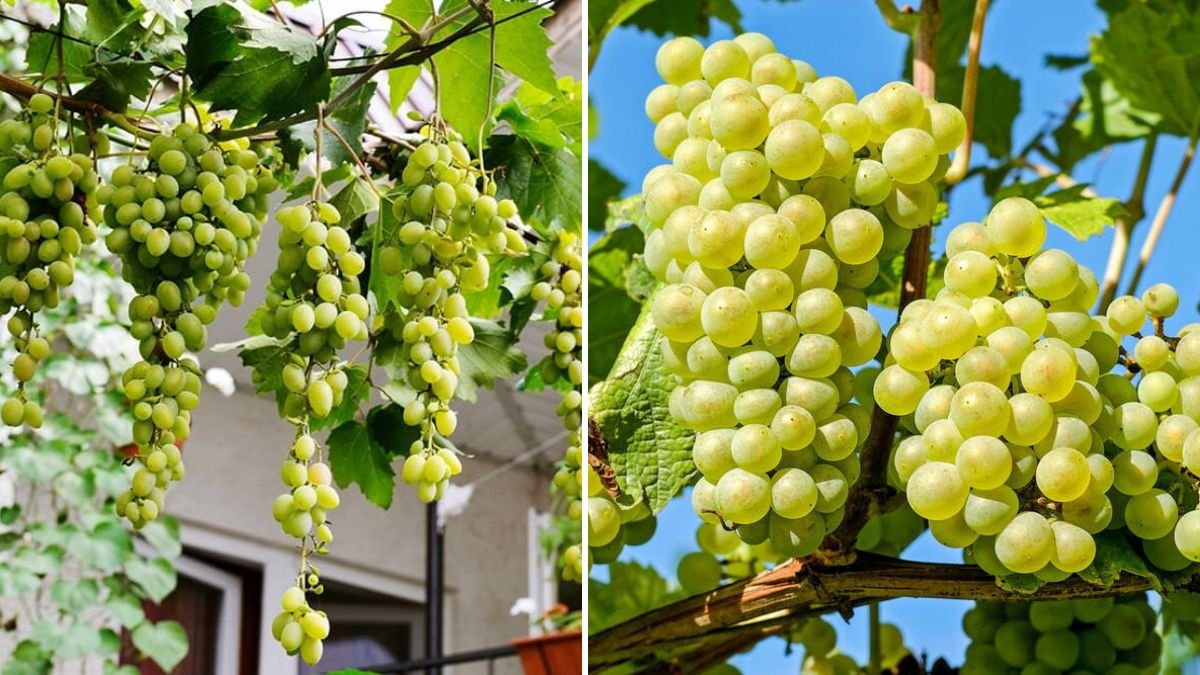
Growing grapes at home is one of the most rewarding experiences for gardeners, whether you are a beginner or an experienced plant lover. Grapevines are beautiful, productive, and adaptable, capable of thriving in containers, backyards, or even balconies with the right care. With proper planning and consistent maintenance, you can enjoy fresh, sweet grapes straight from your own garden. This comprehensive guide will walk you through everything you need to know—from choosing the right variety to harvesting ripe grapes.
Understanding Grapevines and Their Growing Requirements
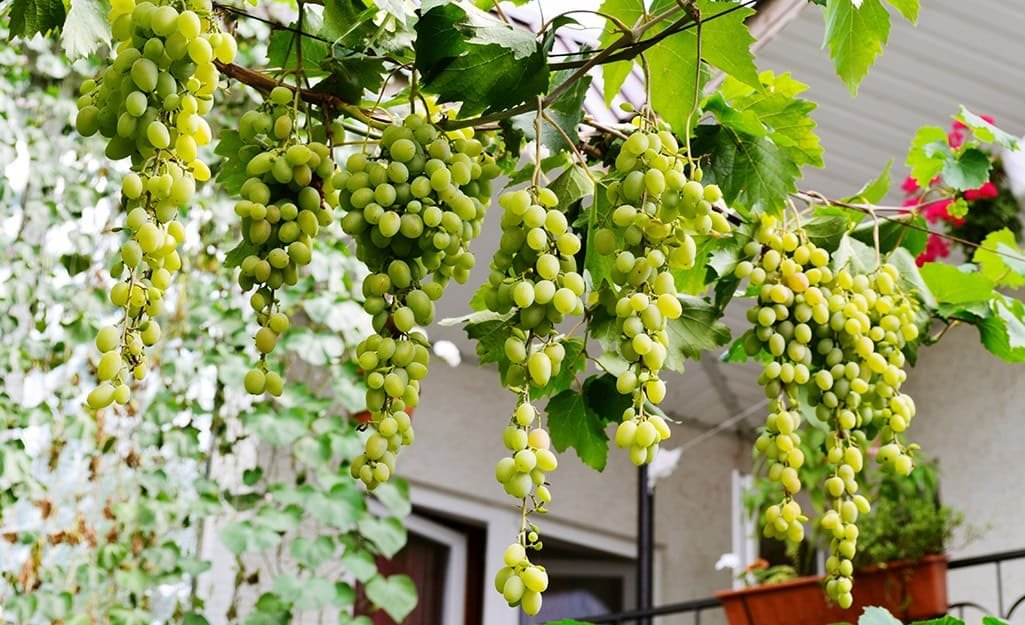
Grapevines belong to the genus Vitis and are known for their climbing habit. They naturally grow along trellises or fences, using tendrils to support themselves. To cultivate grapes successfully, it is important to understand their basic needs:
- Sunlight: Grapevines require at least 6–8 hours of direct sunlight daily. Without adequate light, fruiting will be poor.
- Soil: Well-drained soil is essential. Grapes dislike soggy conditions, which can cause root rot.
- Temperature: Grapevines thrive in warm climates but can tolerate mild cold. Extremely hot or wet weather, however, affects fruit quality.
- Space: They need room to spread, making trellises or vertical supports important.
Choosing a good location sets the foundation for a healthy, productive grapevine.
Choosing the Right Grape Variety
There are hundreds of grape varieties, each with unique flavors, uses, and growing habits. Some popular categories include:
- Table grapes: Sweet, seedless varieties like Thompson Seedless, Flame Seedless, or Crimson Seedless.
- Wine grapes: Varieties such as Cabernet Sauvignon, Merlot, or Chardonnay.
- Raisin grapes: Mostly small, sweet grapes suitable for drying.
For beginners, table grapes are usually best because they grow easily and produce delicious fruit.
Growing Grapes from Cuttings or Seeds
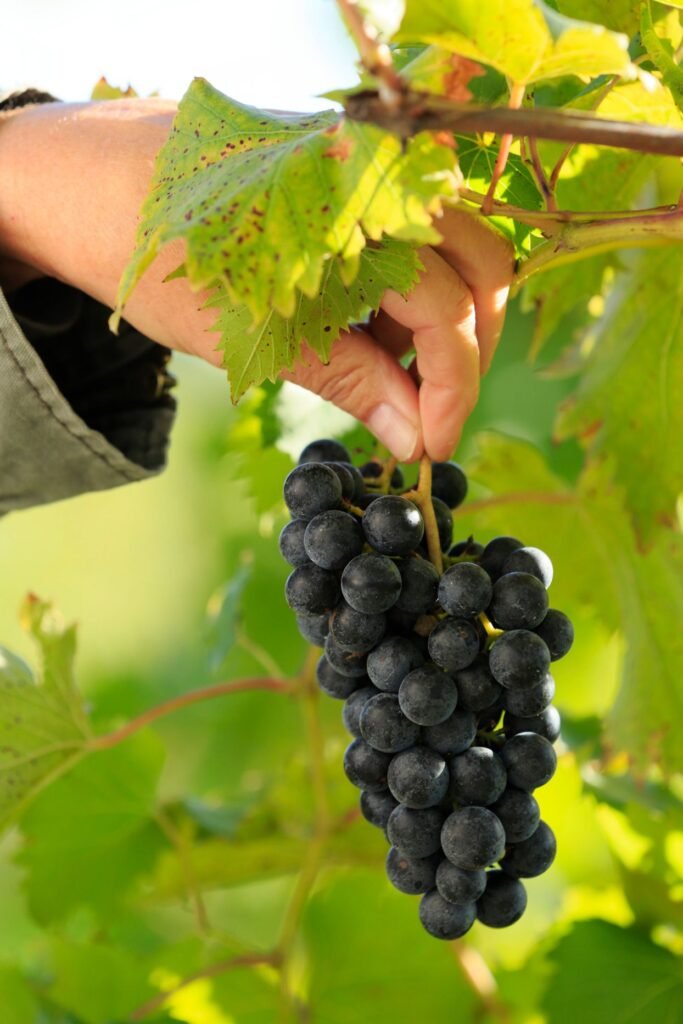
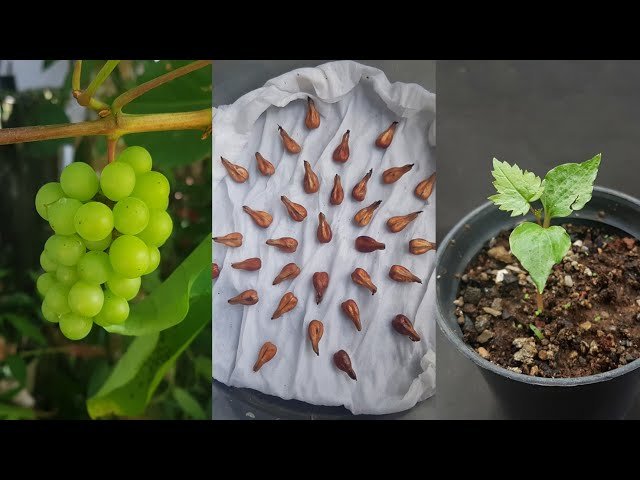
Grapes can be grown from seeds, but cuttings offer faster, more reliable results. Cuttings ensure the plant retains the exact characteristics of the parent grape.
Growing Grapes from Cuttings (Recommended Method)
- Select a healthy vine from an existing plant.
- Cut a 6–8 inch section with at least 3 buds.
- Remove leaves from the bottom half.
- Dip the cut end in rooting hormone (optional but helpful).
- Plant the cutting into moist potting soil or directly into the ground.
- Keep the soil slightly damp until roots develop.
Roots usually form within 4–8 weeks.
Planting Grapevines Outdoors
When planting outdoors:
- Dig a hole about 18–24 inches wide and deep.
- Mix compost or organic manure with the soil to improve fertility.
- Place the vine at the same depth it grew previously.
- Backfill the soil and press gently to remove air pockets.
- Water thoroughly.
Proper planting helps the plant establish strong roots, which supports steady growth and fruiting in the coming years.
Growing Grapes in Containers
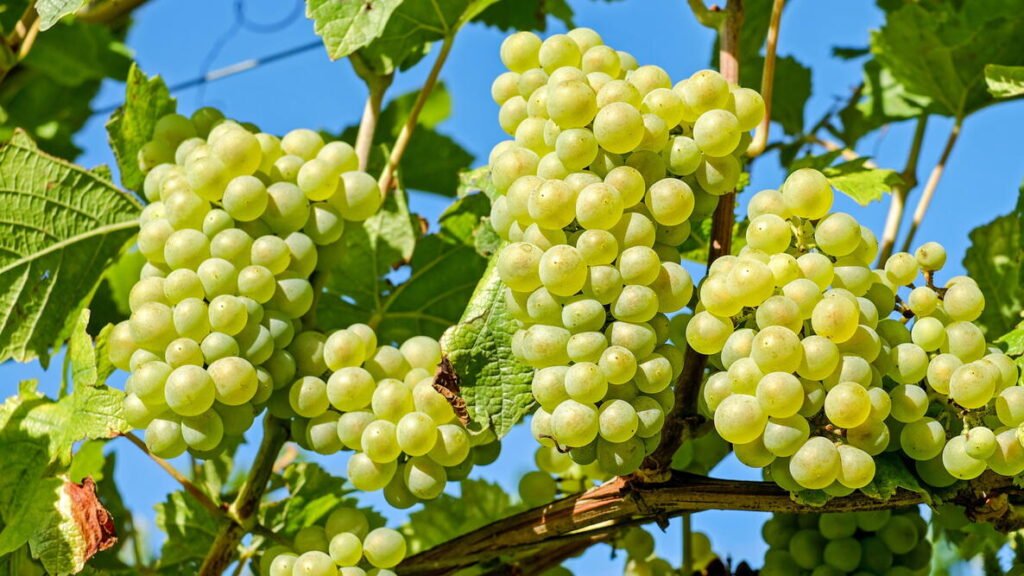
Grapes grow well in containers if you provide enough space. Choose pots that are:
- At least 18–20 inches in diameter
- Made of breathable material (terracotta or fabric pots work well)
- Equipped with drainage holes
Use a mix of garden soil, compost, and sand for good drainage.
Container-grown grapes need more frequent watering, but they offer flexibility and are ideal for balconies.
Watering Requirements
Grapevines prefer deep watering rather than frequent shallow watering. Water the plant thoroughly once a week during dry seasons. During fruiting, consistent moisture helps maintain size and sweetness.
Avoid overwatering — grape roots suffocate in wet soil.
Fertilizing for Healthy Growth
Grapevines do not need heavy feeding. Over-fertilization will produce excessive foliage but fewer grapes.
Use:
- Organic compost once a year
- Balanced NPK fertilizer (10-10-10) during early spring
- Bone meal or potassium fertilizer during fruit formation
Fertilizing at the right time supports vigorous growth and better fruit quality.
Pruning: The Secret to Big, Sweet Grapes
Pruning is the most important step in grape cultivation. Without proper pruning, vines grow excessively but produce few fruits.
Key pruning tips:
- Prune during winter when vines are dormant
- Remove old, woody branches
- Keep only a few productive canes
- Cut back to 2–4 buds per cane
This encourages new fruiting wood and improves airflow, reducing fungal diseases.
Training the Vine on a Trellis
Grapevines need support. Install:
- A trellis
- Wire fence
- Pergola
- Wooden frame
Guide the vines upward, tying them loosely with soft rope or plant ties. Good training improves sun exposure and fruit quality.
Common Diseases and How to Prevent Them
Grapes are susceptible to fungal diseases, especially in humid conditions. Common issues include:
- Powdery mildew
- Downy mildew
- Black rot
- Leaf spot
Preventive measures:
- Ensure good airflow
- Avoid overhead watering
- Remove infected leaves
- Apply organic fungicides such as neem oil
Healthy plants resist diseases better, so proper pruning and sunlight are crucial.
When and How to Harvest Grapes
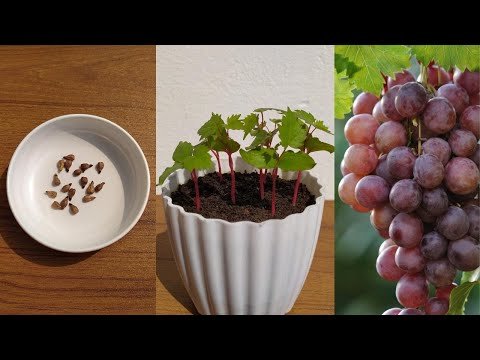
Grapes do not continue ripening after picking, so harvest only when they taste sweet.
Signs grapes are ready:
- Full color
- Sweet aroma
- Firm but juicy texture
- Seeds (if present) turn brown
Cut whole clusters rather than individual berries to prevent damage.
Enjoying Your Homegrown Grapes
Fresh grapes can be eaten directly, made into juice, raisins, jams, or even homemade wine. Homegrown grapes often taste sweeter because they are harvested at peak ripeness.
Final Thoughts
Growing grapes is a fulfilling gardening project that rewards patience and care with delicious fruit and a beautiful vine landscape. With the right variety, proper pruning, adequate sunlight, and consistent maintenance, anyone can enjoy a fruitful grape harvest.
Whether you plant in the ground or in containers, grapes offer beauty, shade, and flavor — making them a perfect addition to any garden.