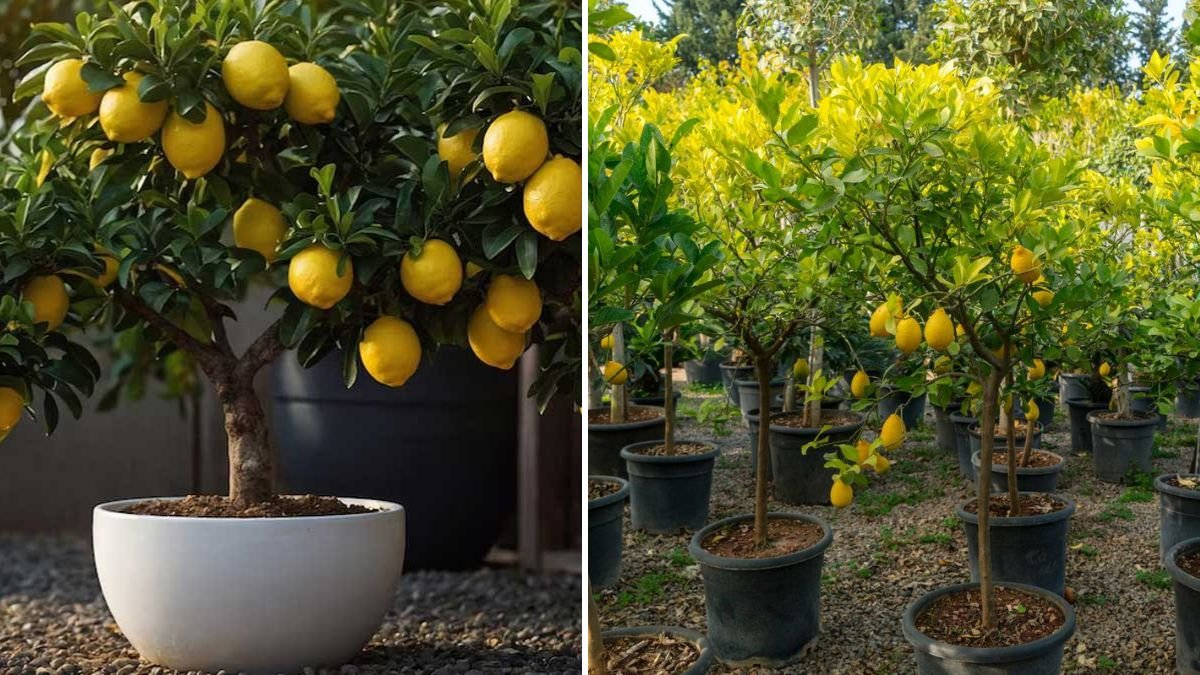
Lemon trees are among the most popular fruit trees grown in home gardens across the world. Their vibrant green foliage, refreshing aroma, and tangy fruits make them both decorative and productive. Whether you want to enjoy fresh lemons for cooking or simply beautify your space, learning how to propagate a lemon tree is an extremely valuable skill.
Propagation helps gardeners grow new lemon plants from existing ones without purchasing saplings. It is cost-effective, environmentally friendly, and allows you to preserve the exact characteristics of a tree you already love. In this complete guide, we will explore the best methods to propagate lemon trees, the science behind each technique, and the proper care required for success.
Understanding Lemon Tree Propagation
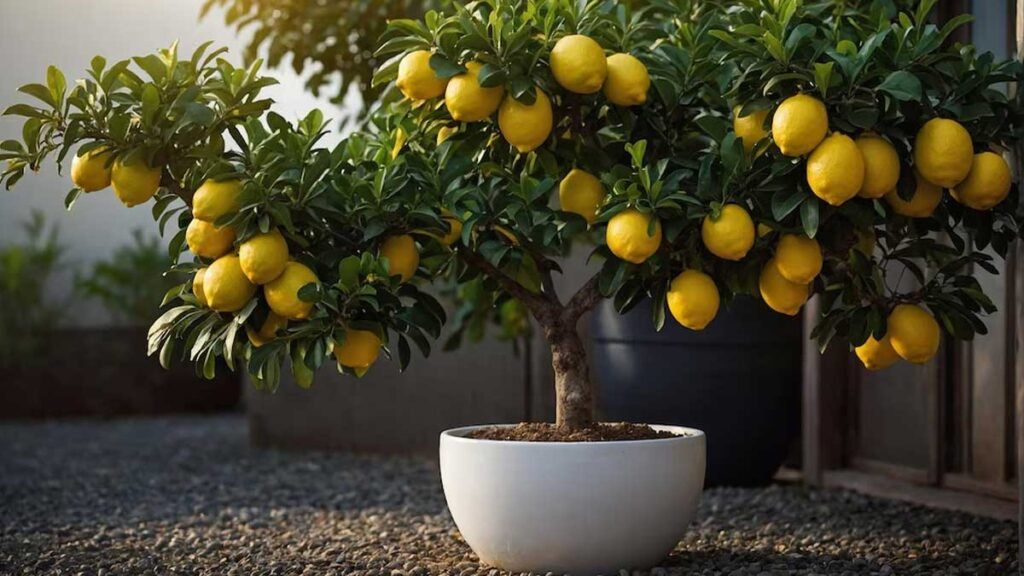
Lemon trees can be propagated in several ways, but the most common techniques include:
- Stem cuttings (most reliable method)
- Air layering
- Seed germination
- Grafting (advanced)
Each method has advantages depending on whether you want speed, accuracy, or ease.
Propagation works because plants contain meristem tissues — areas capable of producing new roots or shoots. When a cutting or branch is encouraged to form roots, it essentially becomes a new plant independent of the parent.
Method 1 — Propagating Lemon Trees from Stem Cuttings (Best Method)
Stem cuttings are the most efficient and commonly used method because they produce plants that are genetically identical to the parent tree. This means the fruit quality remains consistent.
Materials Needed
- Sharp pruning shears
- Rooting hormone (optional but helpful)
- Potting soil or sand
- A pot with drainage
- Plastic bag or humidity cover
Step-by-Step Process
- Select a healthy branch
Choose a semi-hardwood branch — not too soft and not too woody. The branch should have 4–6 leaves and be free from disease. - Cut a 6–8 inch section
Make a clean cut just below a node. Nodes contain dormant root cells. - Remove lower leaves
Strip off leaves from the bottom half to prevent rot. - Dip the cut end in rooting hormone
This step speeds up root development.
(Optional but recommended) - Plant the cutting
Insert the cutting into a pot filled with moist soil or sand.
Ensure at least two nodes are buried. - Provide humidity
Cover the pot with a plastic bag to maintain moisture. - Keep in bright indirect light
Avoid direct sunlight — it will dry the cutting. - Wait for roots to develop
Roots usually form in 4–8 weeks depending on temperature.
Care Tips for Cuttings
- Keep soil slightly moist, not soggy
- Remove the plastic cover gradually
- Mist daily if humidity is low
- Once roots form, transplant into a larger pot
Cuttings propagated this way grow faster than seed-grown trees and start fruiting earlier.
Method 2 — Propagating Lemon Trees by Air Layering
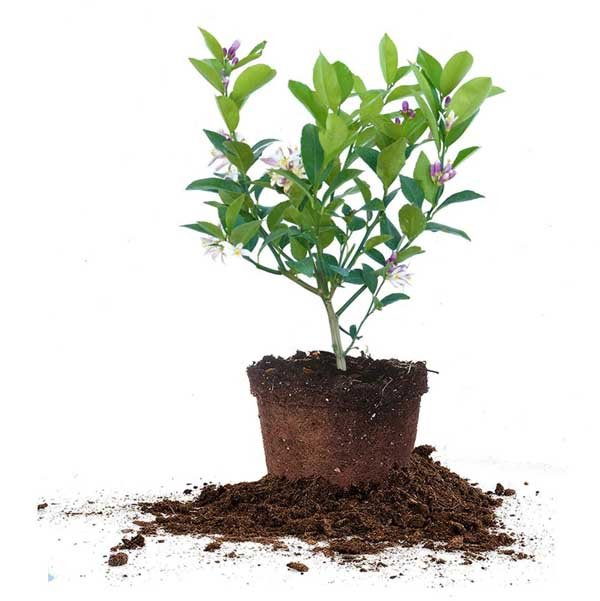
Air layering is highly effective for citrus trees because it encourages roots to form while the branch is still attached to the parent tree. This method produces a strong plant with minimal shock.
Steps for Air Layering
- Choose a healthy branch about ½ inch thick.
- Remove a small ring of bark (1–2 cm wide).
- Apply rooting hormone on the exposed area.
- Wrap moist sphagnum moss around the cut.
- Cover with plastic and secure it tightly.
- Keep the moss moist.
- Roots appear in 6–10 weeks.
- Cut below the rooted section and pot it.
Advantages of Air Layering
- Higher success rate
- Strong root system
- Less stress on the plant
- Works well for older lemon trees
This method is excellent for gardeners who want a guaranteed result.
Method 3 — Growing Lemon Trees from Seeds
Growing lemons from seeds is fun, educational, and perfect for beginners. However, seed-grown trees take longer to fruit and may not produce the same quality fruit as the parent.
Steps
- Remove seeds from a ripe lemon
- Clean off pulp
- Soak seeds for a day
- Plant in moist potting soil
- Place in warm sunlight
- Keep soil damp
- Germination in 2–4 weeks
Seedlings grow slowly and may take 4–7 years to produce lemons.
Limitations of Seed Propagation
- Fruit quality varies
- Trees may not be true to the parent
- Longer time to fruit
- More care required
Nevertheless, it is a great option for hobby gardeners.
Method 4 — Grafting Lemon Trees (Advanced)
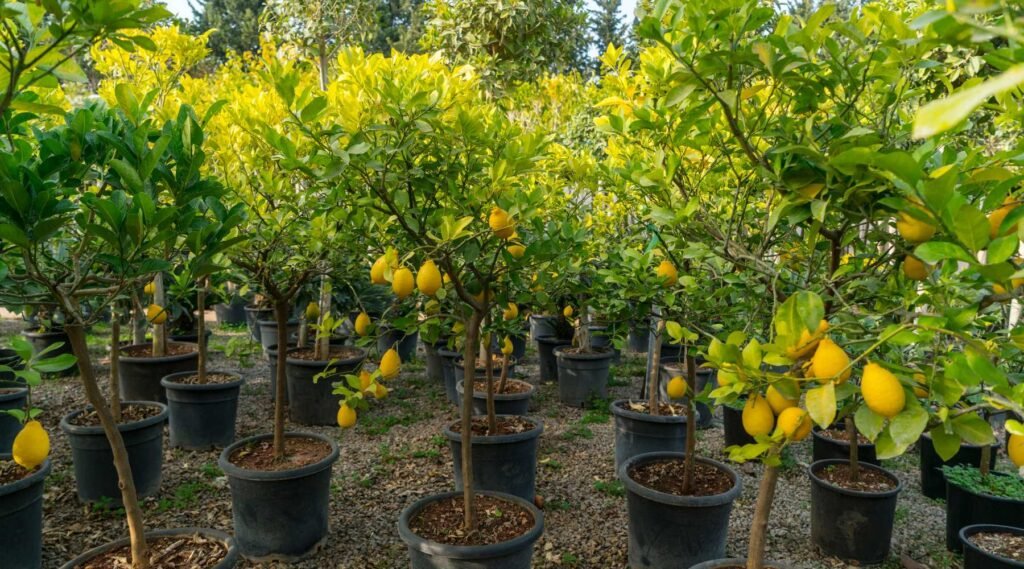
Grafting is widely used commercially because it combines the best traits of two plants — the rootstock and the scion.
Common Grafting Methods
- T-budding
- Whip grafting
- Cleft grafting
Grafting produces:
- Stronger plants
- Better fruit quality
- Disease resistance
- Faster fruiting
However, it requires skill and practice, so beginners usually start with cuttings or layering.
Ideal Conditions for Lemon Tree Propagation
To maximize success, ensure:
Sunlight
Lemon cuttings need bright but indirect light.
Temperature
20–30°C (68–86°F) is ideal.
Humidity
High humidity encourages rooting.
Soil
Use well-drained soil; citrus dislikes waterlogged conditions.
Caring for Young Lemon Plants
Once your propagated plant develops roots:
- Move it to a bigger pot
- Provide full sunlight (6–8 hours)
- Water deeply but infrequently
- Fertilize every 4–6 weeks
- Prune for shape and airflow
Young lemon plants grow rapidly when given proper sunlight and nutrients.
When Will My Propagated Lemon Tree Bear Fruit?
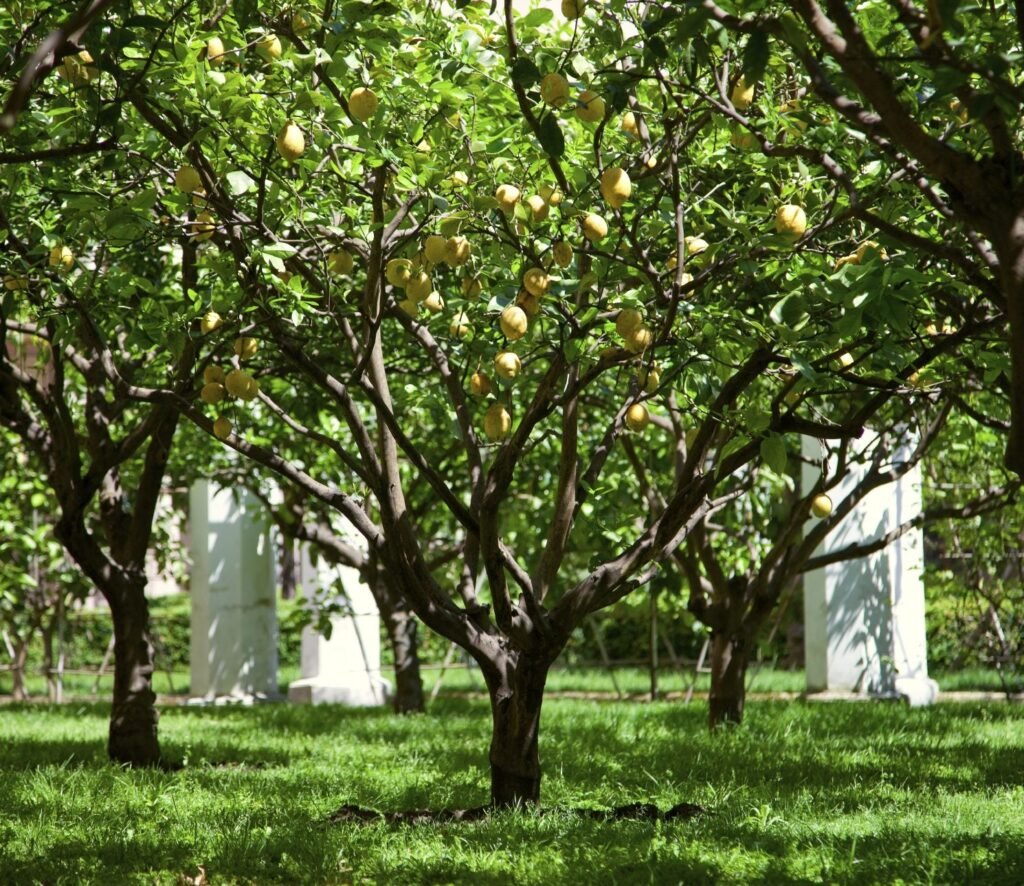
- Cuttings: 2–3 years
- Air layering: 2–4 years
- Seeds: 4–7 years
- Grafting: 1–2 years
Propagation method significantly affects fruiting time.
Common Mistakes to Avoid
Overwatering
Direct sunlight on fresh cuttings
Using weak or diseased branches
Not maintaining humidity
Poor soil drainage
Avoiding these errors increases success dramatically.
Conclusion
Propagating a lemon tree is a fulfilling and rewarding gardening activity. Whether you choose cuttings, air layering, seeds, or grafting, each method offers a unique experience and teaches valuable horticultural skills.
Stem cuttings remain the most beginner-friendly and reliable technique, while air layering offers high success even with older trees. Seed propagation is fun but slow, and grafting is best for advanced gardeners.
With patience, proper care, and the right conditions, you can enjoy fresh, homegrown lemons from a tree you propagated yourself — a true gardener’s triumph.