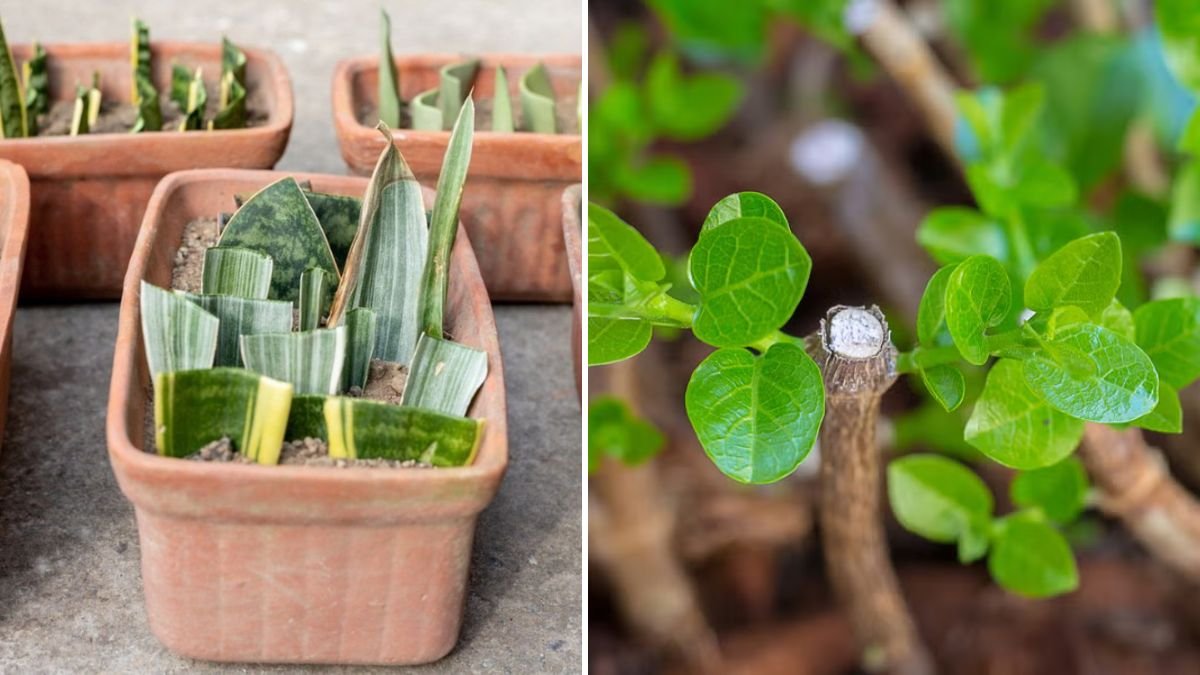
Propagation is the foundation of gardening. Whether you want to expand your collection, share plants with friends, or grow new varieties without spending money, plant propagation allows you to create new plants from existing ones. From simple cuttings to advanced layering techniques, propagation opens the door to endless gardening possibilities.
Many beginners think propagation is difficult or requires professional tools. In reality, most propagation methods are simple, natural, and can be done at home with everyday materials. With patience and the right steps, you can multiply nearly any plant—from herbs and flowers to fruit trees and ornamental plants.
This 1200-word guide covers everything you need to know about propagation, including the science behind it, essential techniques, step-by-step methods, common mistakes, and expert tips.
What Is Plant Propagation?
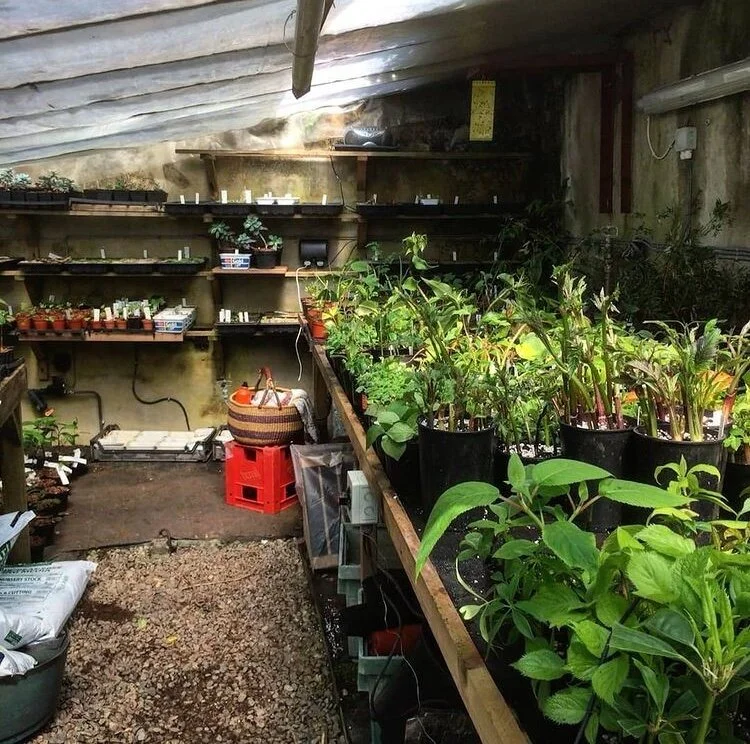
Propagation is the process of producing new plants from a parent plant. It can happen naturally (like seeds sprouting in the wild) or artificially (like cuttings made by gardeners).
Propagation is divided into two major categories:
1. Sexual Propagation
Uses seeds produced by pollination.
Examples:
- Tomatoes
- Peppers
- Flowers
- Wheat
- Rice
✅ Produces genetic diversity
❌ Plants may not resemble the parent
❌ Takes longer
2. Asexual (Vegetative) Propagation
Creates new plants without seeds, using plant tissues such as stems, roots, or leaves.
Examples:
- Stem cuttings
- Root cuttings
- Layering
- Grafting
- Tissue culture
✅ Plants are identical to parent
✅ Faster growth
✅ Higher success for fruit trees
✅ Ideal for home gardeners
Vegetative propagation is the most common method used in gardens.
Why Propagation Is Important
Propagation helps gardeners:
- Save money
- Multiply favorite plants
- Preserve plant varieties
- Grow rare plants
- Produce stronger plants
- Share plants with others
- Produce fruit faster
Propagation is both sustainable and eco-friendly—no waste, no chemicals, just natural plant growth.
Essential Tools for Propagation
You do not need expensive equipment. Simple tools include:
- Sharp pruning knife or scissors
- Rooting hormone (optional)
- Clean water
- Pots or containers
- Soil or cocopeat
- Plastic bags
- Twine
- Gloves
Clean tools prevent infections and increase success rate.
Top Propagation Methods Explained
Below are the most widely used techniques with step-by-step instructions.
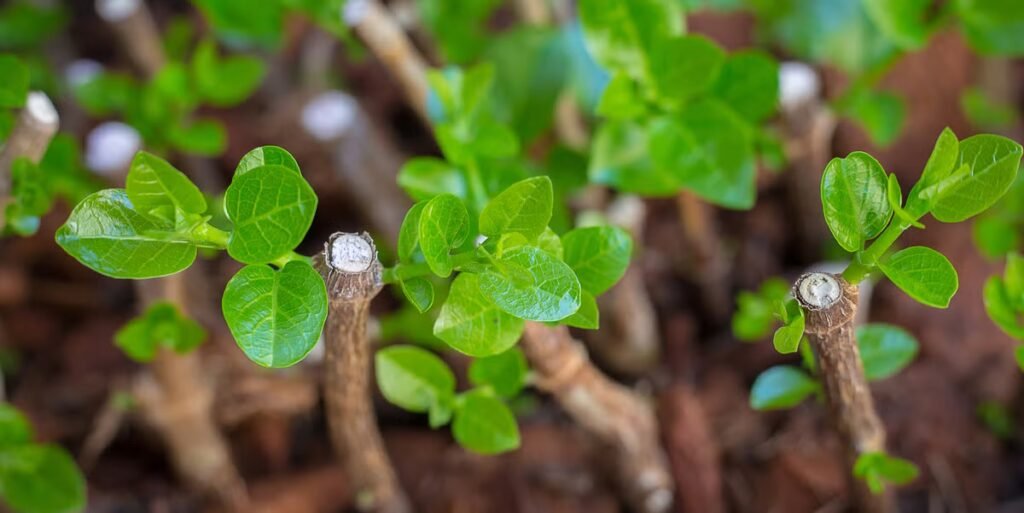
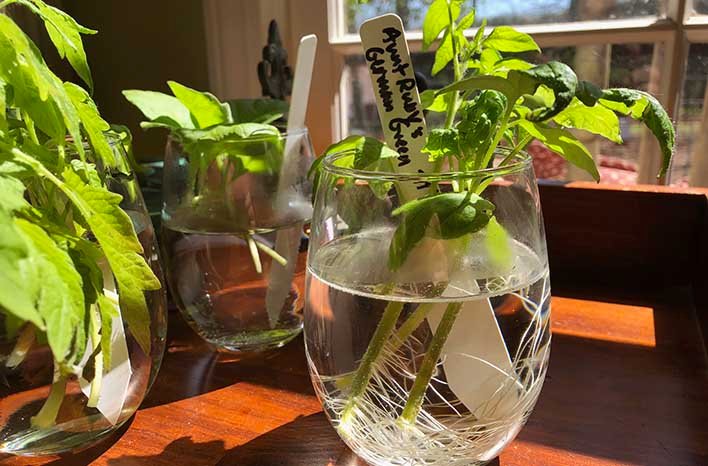
1. Stem Cuttings (Most Popular Method)
Stem cuttings work for many plants such as:
- Roses
- Mint
- Basil
- Money plant
- Hibiscus
- Guava
- Lemon
- Bougainvillea
Steps
- Choose a healthy stem
- Cut 4–6 inches
- Remove lower leaves
- Dip in rooting hormone
- Plant in moist soil
- Cover with a plastic bag
- Keep in shade
Roots form in 1–4 weeks.
Advantages
- High success
- Works for many plants
- Easy
- Requires no special skills
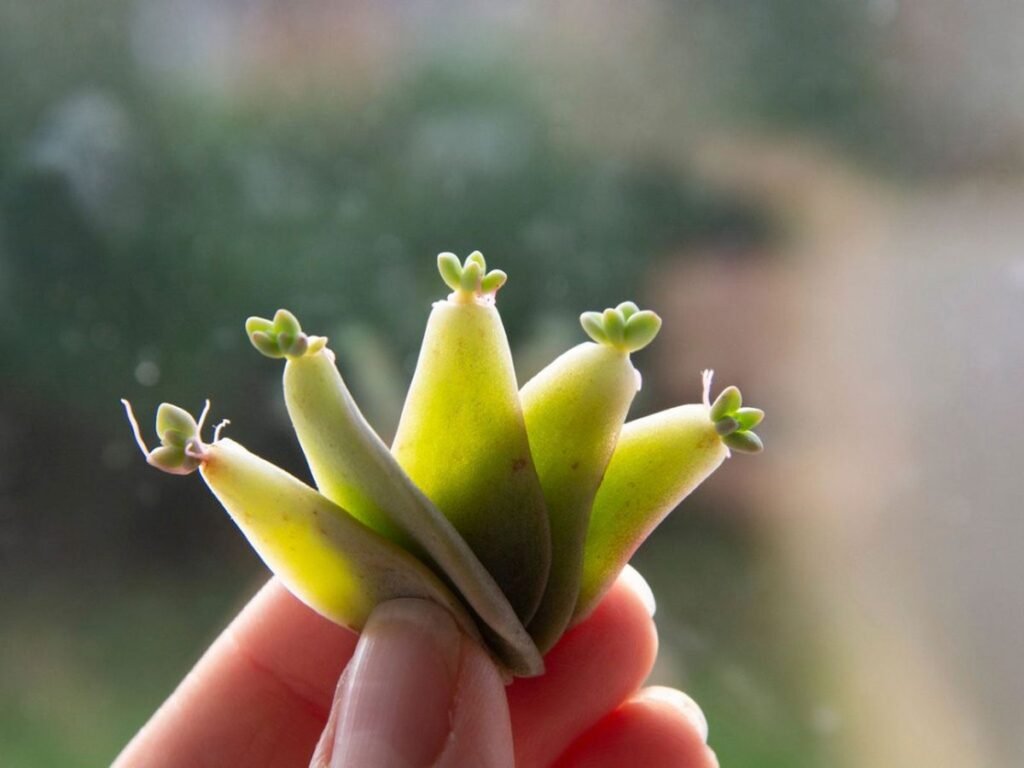
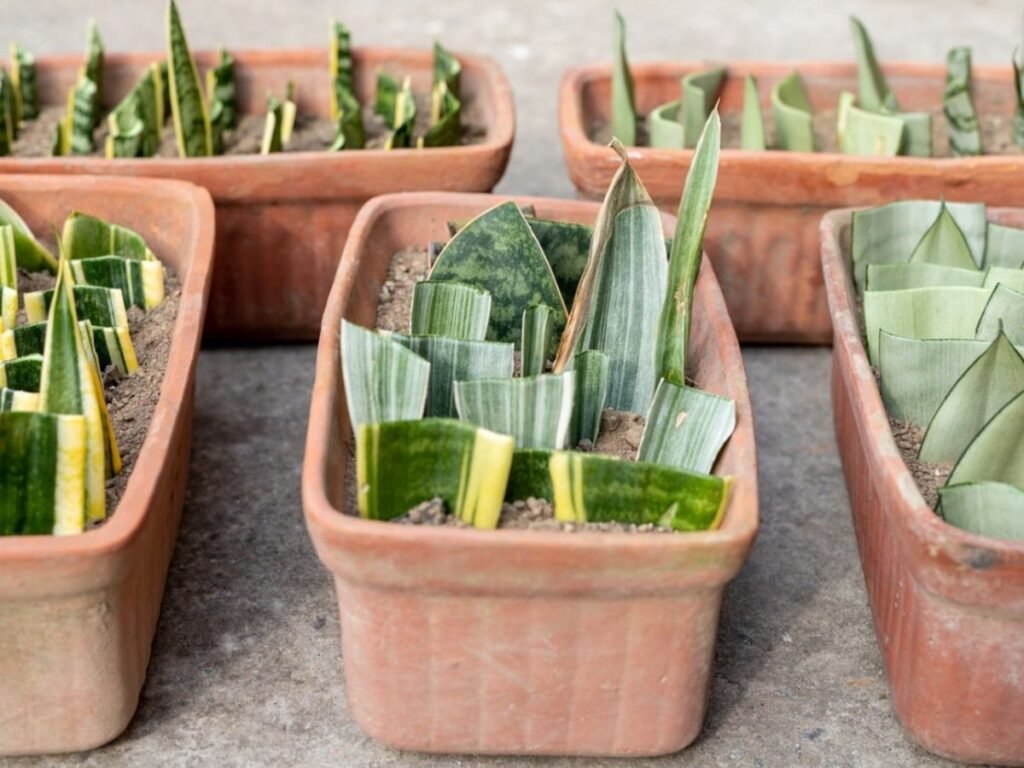
2. Leaf Cuttings
Performed on plants that can grow roots from leaves.
Examples:
- Aloe
- Begonia
- African violet
- Succulents
Steps:
- Cut a healthy leaf
- Place on soil
- Keep moist
- Wait for roots
New plants sprout from the leaf base.
3. Root Cuttings
Used for woody plants such as:
- Roses
- Blackberry
- Fig
- Raspberry
Steps:
- Dig up roots
- Cut 2–4 inches pieces
- Plant horizontally
- Keep moist
New shoots appear in a few weeks.
4. Layering (Easy and Highly Successful Method)
Layering is used for plants that root slowly from cuttings.
Types:
- Simple layering
- Air layering
- Tip layering
Used for:
- Guava
- Mango
- Fig
- Citrus
- Roses
Air Layering (Best Method for Fruit Trees)
Steps:
- Choose a healthy branch
- Remove a ring of bark
- Apply rooting hormone
- Wrap with moist moss
- Cover with plastic
- Wait 3–8 weeks
- Cut and plant
Roots form while the branch remains attached.
✅ Success rate: 80–95%
✅ Produces strong plants
✅ Fruiting occurs earlier
5. Grafting (Advanced Method)
Grafting joins two plants together.
Used for:
- Apple
- Mango
- Citrus
- Roses
- Guava
Parts:
- Scion → upper portion
- Rootstock → lower portion
Benefits:
- Disease resistance
- Faster fruiting
- Stronger plants
- Consistent fruit quality
6. Seed Propagation
Seeds are the natural way plants reproduce.
Steps:
- Choose fresh seeds
- Prepare soil
- Sow shallow
- Water gently
- Keep warm
- Provide sunlight
Seeds take longer but produce many plants at once.
Best Conditions for Successful Propagation
Propagation success depends on:
1. Moisture
Seeds and cuttings need consistent humidity.
2. Temperature
Warm environments root faster.
3. Light
Indirect light is best for cuttings.
4. Clean tools
Prevents fungal infections.
5. Airflow
Avoid stagnant air.
Common Mistakes Beginners Make
❌ Overwatering
→ Causes rot
❌ Using old or weak stems
→ No roots
❌ Direct sunlight
→ Burns cuttings
❌ Not using rooting hormone
→ Slower rooting
❌ Dirty tools
→ Infection
❌ Poor-quality soil
→ Roots cannot develop
Avoiding these mistakes improves success dramatically.
Tips from Expert Gardeners
✅ Always use fresh plant material
✅ Keep cuttings warm
✅ Maintain humidity
✅ Slightly shake the cuttings weekly
✅ Remove rotting parts immediately
✅ Be patient
✅ Label your plants
✅ Use organic soil
Patience is key—roots grow quietly before you notice them.
Propagation for Fruit Trees (Special Section)
Fruit trees often require specialized methods.
Best propagation methods:
- Grafting → mango, apple
- Air layering → lemon, guava
- Cuttings → fig
- Root suckers → banana
These methods ensure:
- Same fruit quality
- Strong root systems
- Faster fruiting
- Higher survival
How Long Does Propagation Take?
| Method | Time |
|---|---|
| Cuttings | 2–6 weeks |
| Air layering | 4–10 weeks |
| Grafting | 2–4 weeks |
| Seeds | 2–12 weeks |
| Root cuttings | 4–8 weeks |
Why Propagation Is a Rewarding Hobby
Propagation teaches:
- Patience
- Scientific understanding
- Responsibility
- Creativity
- Connection with nature
Watching a plant grow from a tiny cutting is one of the most satisfying parts of gardening.
Final Thoughts
Propagation allows you to multiply your garden, save money, preserve plant varieties, and enjoy nature more deeply. Whether you choose simple cuttings or advanced grafting, every method offers a unique experience.
With practice, you will develop confidence and be able to propagate almost any plant.
Once you learn propagation, you never buy plants again—you simply create them.