
Lemon trees are among the most popular fruit trees grown in home gardens around the world. Their bright green foliage, refreshing aroma, and tangy fruits make them a favorite for gardeners. But did you know you can multiply your lemon trees easily at home without spending money on saplings?
Propagation allows you to create new lemon plants from an existing tree using natural techniques. Whether you want more plants for your garden, share with friends, or grow healthier trees, propagation helps you achieve it with minimal tools and maximum success.
This 1200-word guide explains all propagation methods for lemon trees, including cuttings, layering, air layering, grafting, and nursery techniques. You will learn which method works best, how to perform it safely, and how to care for the new plants until they bear fruit.
Why Propagate Lemon Trees?
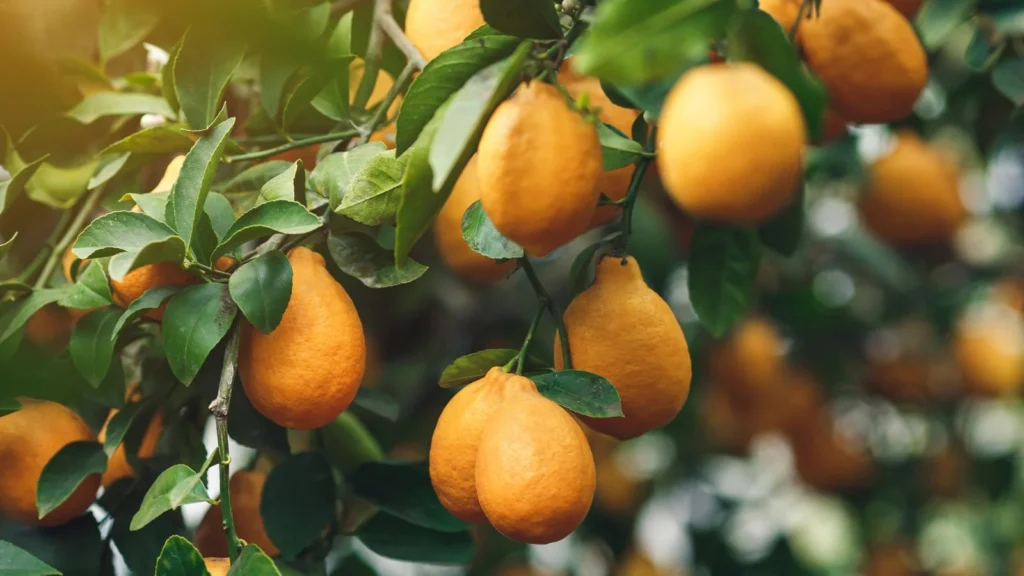
Lemon trees are ideal candidates for vegetative propagation because they root easily and maintain fruit quality when cloned.
Benefits of propagating lemon trees:
- Plants are genetically identical to the parent
- Fruit quality remains consistent
- Faster growth than seed-grown plants
- Higher survival rate
- Cost-effective
- No need to buy saplings
- Works even for beginners
Propagation also helps preserve good lemon varieties and produce stronger trees.
Best Methods to Propagate Lemon Trees
Lemon trees can be propagated using several methods, but the most successful ones include:
- Stem Cuttings
- Air Layering (Best Method)
- Simple Layering
- Grafting (Professional Method)
- Seeds (Not Recommended for quality)
Each technique has its own advantages.
Let’s explore them in detail.
1. Propagating Lemon Trees Using Stem Cuttings
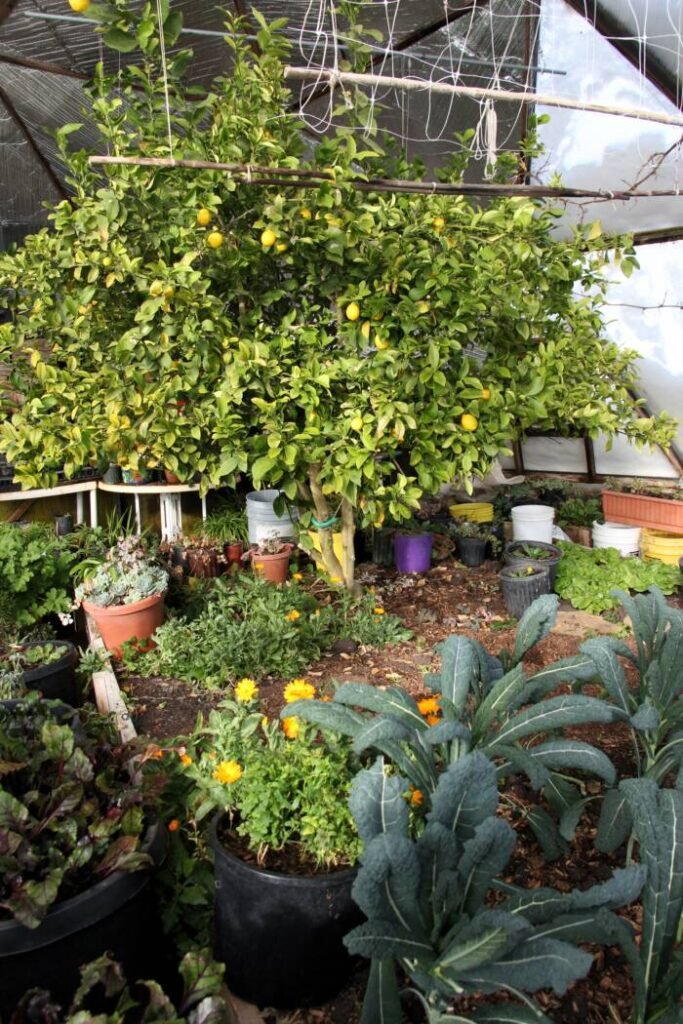
Cuttings are the easiest method for beginners.
✔ Ideal for:
- Home gardeners
- Young trees
- Fast multiplication
Materials Needed:
- Sharp knife
- Rooting hormone
- Potting soil
- Plastic bag
- Water
Step-by-Step Guide
Step 1: Select a Healthy Branch
Choose:
- Semi-hardwood
- 6–8 inches long
- No pests
- Greenish-brown color
- 3–4 buds
Step 2: Make Clean Cuts
- Cut at a 45° angle at the bottom
- Straight cut at the top
Clean cuts reduce infection.
Step 3: Remove Lower Leaves
Leave only:
- 2–3 leaves at the top
This reduces water loss.
Step 4: Apply Rooting Hormone (Optional)
Hormone speeds root growth by:
- 20–40%
Step 5: Plant the Cutting
Use a pot with:
- Garden soil
- Sand
- Compost
Insert cutting 4–5 inches deep.
Step 6: Create Humidity
Cover with a:
- Plastic bag
- Transparent bottle
Keep slightly open for airflow.
Step 7: Place in Shade
Avoid direct sunlight.
Roots form in 3–6 weeks.
Success Rate: 50–70%
Cuttings are easy but sometimes fail due to rot or dryness.
2. Air Layering (Most Effective Method)

Air layering produces the strongest lemon plants with the highest success rate.
Success Rate: 80–95%
Roots form while branch is still attached
Plants fruit earlier
Works even on older trees
Step-by-Step Air Layering Method
Step 1: Choose the Right Branch
- 1–2 cm thickness
- Healthy
- Young but woody
Step 2: Make a Ring Cut
Cut a 1-inch wide ring of bark.
Remove the bark completely.
Scrape the green cambium layer gently.
Step 3: Apply Rooting Hormone
(Optional but recommended)
Step 4: Wrap with Moist Moss
Use:
- Sphagnum moss
- Cocopeat
- Or soil mixture
Moist but not dripping.
Pack tightly around the wound.
Step 5: Cover with Plastic
Wrap the moss completely.
Seal with:
- Twine
- Rubber band
- Tape
Step 6: Protect from Sun
Cover plastic with:
- Aluminium foil
Prevents overheating.
Step 7: Wait for Roots
Roots appear in:
- 4–8 weeks
White roots become visible.
Step 8: Cut and Plant
Cut below the root ball.
Plant in:
- Pot
- Garden
- Well-drained soil
Why Air Layering Is Best?
Because:
- Roots are fully developed
- Plant is strong
- Survival rate is extremely high
- Fruits appear faster
- No transplant shock
3. Simple Layering Method
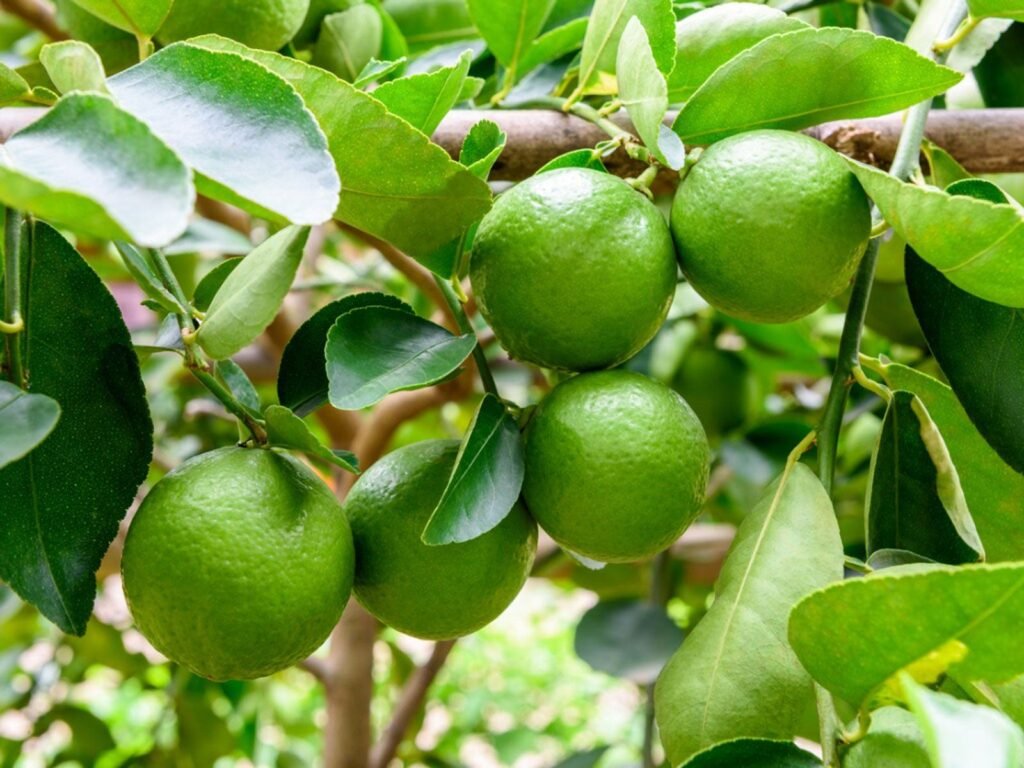
Suitable for:
- Young flexible branches
- Guava, lemon, citrus
Steps
- Bend a low branch
- Scratch the bark
- Apply hormone
- Cover with soil
- Keep moist
- Roots grow in 6–10 weeks
- Cut and transplant
4. Grafting (Professional Method)
Grafting is used commercially to produce superior trees.
Parts:
- Scion → fruiting variety
- Rootstock → hardy root
Methods:
- Cleft graft
- Bud graft
- Side graft
Advantages:
- Disease resistant
- Strong roots
- Consistent fruit
- Early fruiting
Disadvantage:
- Requires skill
- Not beginner-friendly
5. Propagation from Seeds (Not Recommended)
Seed propagation is natural but:
❌ Fruit quality varies
❌ Trees take 4–6 years
❌ Not identical to parent
❌ Weak root systems
Seeds are good only for learning or ornamental purposes.
Best Time to Propagate Lemon Trees
Ideal months:
- Spring (March–April)
- Early summer (May–June)
- Monsoon (July–August)
Propagation works best when:
- Temperature is warm
- Humidity is high
- Sap flow is strong
Avoid winter because rooting slows down.
Watering Requirements
- Keep soil moist
- Not waterlogged
- Rooting medium slightly damp
- Reduce watering after roots form
Overwatering → root rot
Underwatering → drying
Sunlight Requirements
Cuttings:
- Shade
- Indirect sunlight
Air-layered plants:
- Light shade
- After 15 days → full sun
Lemon trees need:
- 6–8 hours of sunlight daily
🪴 Soil Requirements
Best soil mix:
- 40% garden soil
- 40% compost
- 20% sand
Must be:
- Well draining
- Slightly acidic
- Fertile
Care After Transplanting
- Provide shade for 2–3 weeks
- Water gently
- Mulch around base
- Apply organic fertilizer
- Protect from pests
- Prune lightly
When Will Your Propagated Lemon Tree Bear Fruit?
| Method | Time to Fruit |
|---|---|
| Seed | 4–6 years |
| Cuttings | 2–3 years |
| Layering | 2–3 years |
| Air layering | 1.5–2 years |
| Grafting | 1–1.5 years |
Air layering and grafting are fastest.
Common Mistakes and Solutions
Cuttings rot
→ Reduce watering, improve airflow
No roots form
→ Branch too young/old
→ No hormone
→ Poor humidity
Bark heals back
→ Scrape cambium well
Roots dry
→ Keep moss moist
Final Thoughts
Propagating lemon trees is one of the most rewarding gardening activities. With simple techniques like cuttings and air layering, you can create multiple healthy lemon plants at home with almost zero cost.
Among all methods, air layering stands out as the most reliable, fast, and beginner-friendly technique.
Once you master propagation, you will never buy lemon saplings again—you will grow your own trees, share them, and enjoy fresh lemons every season.