In every field—from gardening and horticulture to crafts and technology—the difference between average results and outstanding performance lies in the technique. An excellent technique is not just a method; it is a combination of precision, understanding, timing, and innovation. Today, gardeners and hobbyists are discovering that success does not rely solely on hard work but on mastering the right techniques that produce stronger plants, faster growth, and higher efficiency.
This 1200-word article explores what makes a technique “excellent,” why it matters, and how modern improvements have transformed traditional practices. Whether you are a gardener, DIY enthusiast, or someone interested in improving your skills, this guide will inspire you to elevate your craft through refined and effective techniques.
Introduction: What Does “Excellent Technique” Really Mean?
A technique becomes excellent when it delivers:
- Consistency
- Efficiency
- Precision
- Reliability
- High success rate
- Minimal waste
- Long-term benefits
Traditional approaches often rely on experience alone, but today’s excellent techniques combine science, observation, innovation, and practice.
In gardening, for example, an excellent technique leads to:
- Faster rooting
- Healthier plants
- Higher yield
- Disease resistance
- Less effort
Across disciplines, excellence is achieved by:
- Understanding fundamentals
- Adopting improved tools
- Eliminating guesswork
- Using data and observation
- Practicing regularly
1. The Foundation of an Excellent Technique
Every great technique begins with a strong foundation.
Knowledge
Understanding plant physiology, growth cycles, or material properties helps refine the method.
Observation
Monitoring subtle changes—colour, moisture, texture—guides decision-making.
Timing
Success often depends on performing the technique at the right stage.
Tools
Sharp tools, clean materials, and proper equipment prevent mistakes.
When these elements align, even a simple task becomes powerful.
2. Modern Techniques That Redefine Excellence
Innovation has introduced many new techniques across fields. In gardening and propagation, these include:
- Hormone-assisted rooting
- Hydroponic propagation
- Advanced air layering
- Humidity-controlled chambers
- Organic root boosters
- Sensor-assisted growing
- Micropropagation (tissue culture)
These techniques significantly increase success rates compared to traditional methods.
3. Example: Excellent Technique in Plant Propagation
Propagation is an area where technique determines success.
Traditional cuttings often fail due to:
- Low humidity
- High temperature
- Fungal infections
- Weak cuttings
- Improper soil
Modern techniques solve these issues.
Example: Humidity Chamber Technique
Using a simple plastic bottle to create a mini greenhouse:
- Prevents dehydration
- Maintains stable humidity
- Reduces stress on cutting
- Accelerates root growth
- Increases success rate up to 90%
This technique is considered excellent because it is:
- Affordable
- Easy
- Reliable
- Highly effective
4. Excellent Technique Through Precision
Precision separates good technique from excellent technique.
In cutting
- Clean cuts
- Correct angle
- Proper thickness
- Removal of excess leaves
In rooting
- Right hormone
- Correct soil
- Controlled humidity
- Stable temperature
In placement
- Indirect sunlight
- Avoiding harsh conditions
Every small detail influences the outcome.
5. Innovation Increases Efficiency
Excellent techniques often arise from innovation—improvements that simplify or enhance traditional methods.
Examples include:
- Using banana peel solution as a natural rooting booster
- Replacing soil with cocopeat for better aeration
- Using biodegradable wraps instead of plastic
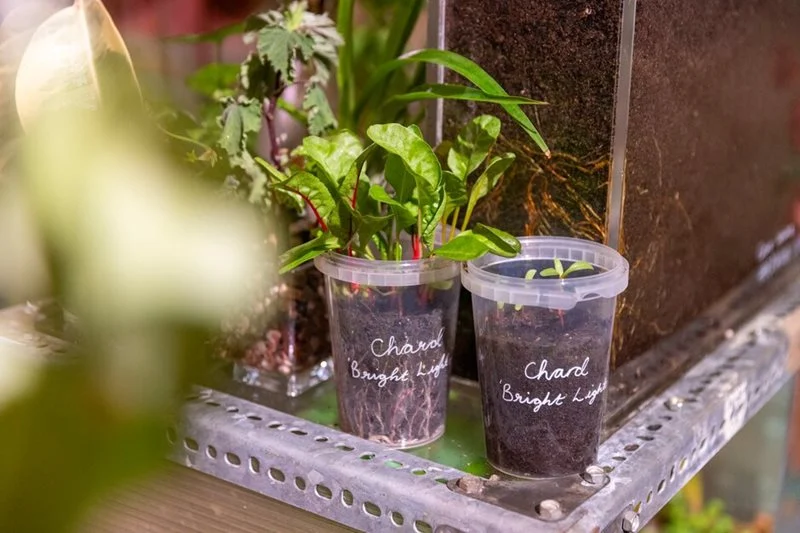
- Using transparent covers to monitor root growth
- Using gels instead of soil for cleaner rooting
Innovation reduces effort and increases success.
6. The Role of Science in Modern Techniques
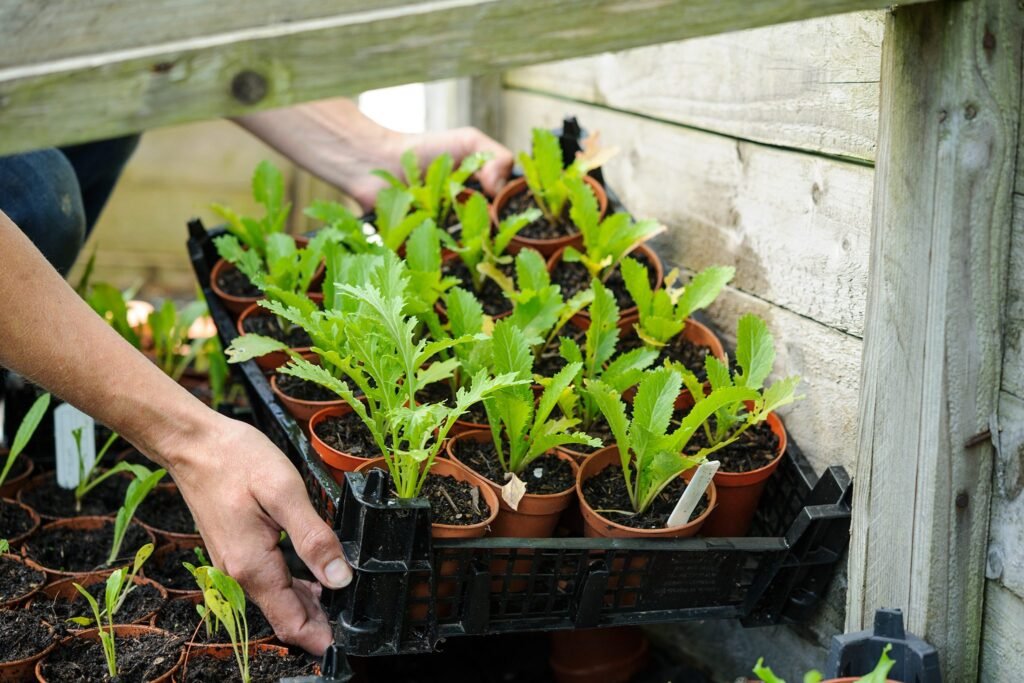
Scientific understanding transforms basic methods into excellent ones.
Examples
- Auxins stimulate root formation
- Moisture control reduces stress
- Aeration prevents rot
- Sterility reduces disease
- Temperature affects metabolic rate
By applying science, gardeners and technicians achieve:
- Faster growth
- Stronger roots
- Higher consistency
- Cleaner results
Science provides predictability—an essential component of excellence.
7. Excellent Technique Requires Consistency
A technique is only excellent if it works repeatedly.
Consistency comes from:
- Standard procedures
- Clean tools
- Controlled environment
- Reliable materials
- Proper timing
When a method produces the same result every time, it becomes a standard.
8. Comparing Good vs. Excellent Technique
| Good Technique | Excellent Technique |
|---|---|
| Works sometimes | Works almost always |
| Depends on luck | Depends on skill |
| Basic method | Optimised method |
| Slow | Fast |
| Moderate success | Very high success |
| Requires effort | Less effort |
| Inconsistent | Highly consistent |
Excellent techniques eliminate guesswork and rely on structured steps.
9. Practical Example: Excellent Technique for Growing Lemon Cuttings
Let’s apply excellence to a simple task—propagating lemons.
Steps
- Choose semi-hardwood cutting
- Cut at 45°
- Dip in rooting hormone
- Plant in sand + cocopeat
- Cover with bottle
- Keep in shade
- Maintain moisture
- Wait 4–6 weeks
Result
Strong roots, high survival, early fruiting.
This technique is excellent because:
- It uses science
- It controls environment
- It reduces stress
- It increases reliability
- It is simple and cost-effective
10. Excellence Through Adaptation
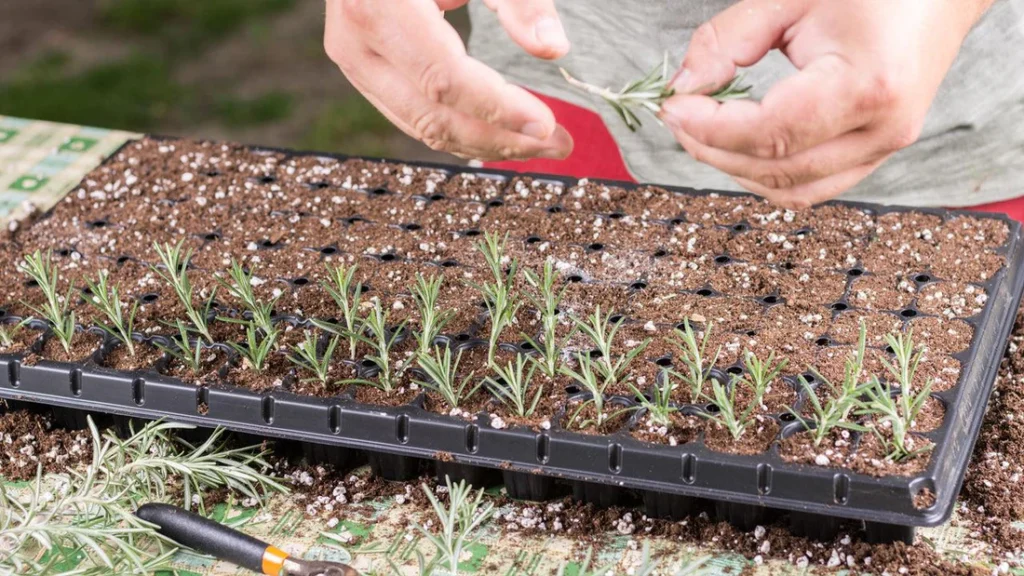
Every plant, material, or task may require slight modification.
Excellent practitioners:
- Adapt techniques
- Observe results
- Modify steps
- Improve continuously
This mindset leads to innovation and mastery.
11. Why Excellent Technique Matters
Excellence saves:
- Time
- Money
- Resources
- Effort
It also produces:
- Healthier outcomes
- Better quality
- Higher success rates
- Long-term reliability
In gardening, excellence means:
- Strong plants
- Early fruiting
- Less disease
- More yields
In crafts or skills, excellence means:
- Better finish
- Higher accuracy
- Greater durability
12. Building Your Own Excellent Technique
Here’s how you can improve any technique:
- Learn fundamentals
- Study proven methods
- Use proper tools
- Experiment
- Record observations
- Improve gradually
- Maintain consistency
- Share knowledge
- Keep innovating
- Practice regularly
Mastery comes from discipline and curiosity.
Conclusion: Excellence Is Achieved Through Technique, Not Luck
An excellent technique is the product of knowledge, precision, innovation, and consistent execution. Whether you are propagating plants, crafting objects, cooking, or performing any skill, excellence always follows the same principles.
Modern improvements have transformed traditional methods into powerful systems that deliver fast, reliable, and high-quality results. By adopting excellent techniques, you elevate not just your outcome but your entire approach.