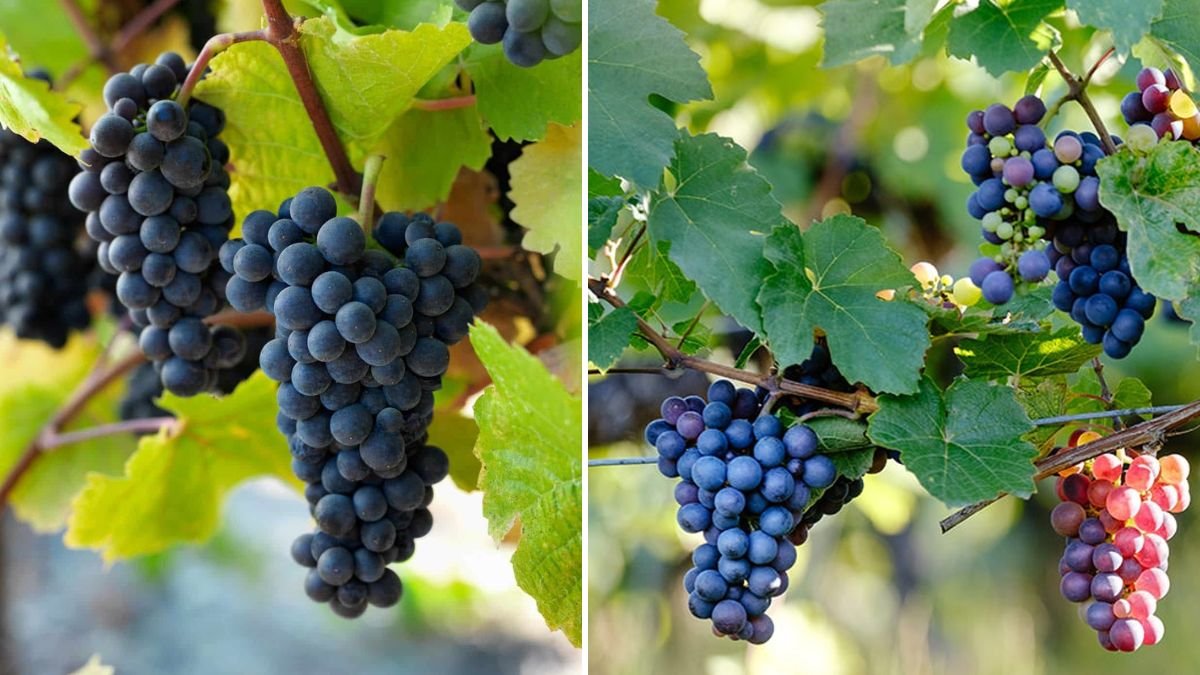
Grapes have been cherished for thousands of years—for fresh eating, juice, wine-making, shade, and even their ornamental beauty. But did you know that growing new grapevines is surprisingly easy, even for beginners? Learning how to propagate grapes can help you multiply your vine collection, rejuvenate old plants, or share new plants with friends.
This complete 1200-word guide will teach you everything you need to know—from the best propagation methods to step-by-step instructions, soil preparation, root formation, and long-term care. Whether you’re starting a backyard vineyard or growing grapes in containers, this guide will set you on a path to success.
Why Propagate Grapes?
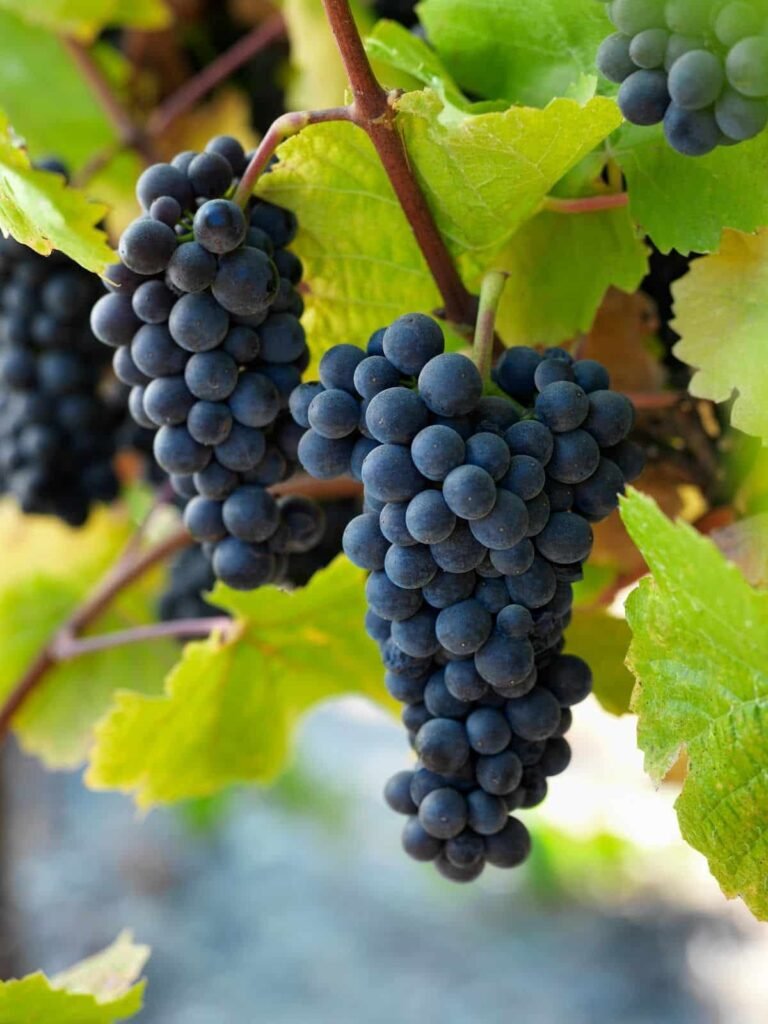
Growing grapes from propagation has many advantages:
- ✔ Cost-effective – One mother vine can generate dozens of new plants
- ✔ Fast results – Rooting is quick and reliable
- ✔ True-to-type plants – Your new vine will have the exact traits of the parent
- ✔ Perfect for home gardens – You can train vines along fences, pergolas, or wires
- ✔ Fun & rewarding – Watching roots form is exciting for every gardener
Whether you prefer sweet table grapes or traditional wine grapes, propagation lets you grow strong, healthy vines in a budget-friendly way.
Best Time to Propagate Grapes
Ideal seasons:
1. Winter & Early Spring (Hardwood cuttings)
When the vine is dormant and leafless. Easiest and most successful method.
2. Late Spring & Early Summer (Softwood cuttings)
When vines have young, flexible green shoots.
Hardwood cuttings are the most popular and reliable method, especially for beginners.
Methods of Grape Propagation
Here are the top methods used by grape growers:
1. Hardwood Cuttings (Most common & easiest)
Uses mature, leafless stems from the mother vine.
2. Softwood Cuttings
Uses young green shoots that root faster but need more care.
3. Air Layering
Branches are bent and covered with soil until they root.
4. Ground Layering
A low branch is buried without cutting, forming roots naturally.
In this article, we’ll focus mainly on hardwood cuttings, as it guarantees high success—even for beginners.
How to Propagate Grapes Using Hardwood Cuttings (Step-by-Step)
Step 1: Select the Right Vine
Choose a healthy, disease-free mother plant. Ensure the vine is:
- Mature
- Strong
- Free from pests
- Producing good-quality grapes
Your new vine will inherit all these characteristics.
Step 2: Take the Cuttings
Cutting size matters.
- Length: 8–12 inches (20–30 cm)
- Thickness: Similar to a pencil
- Must have 3–4 nodes
- Cut bottom end straight and top slanted
Slanted top helps you know which side faces up.
Step 3: Remove Extra Buds
Remove leaves (if any) and trim side shoots. Only nodes should remain.
Step 4: Dip in Rooting Hormone
You can use:
- Commercial rooting powder
- Organic options like honey, aloevera, or cinnamon
Dip the bottom end for faster and stronger root development.
Step 5: Plant the Cuttings
Prepare a pot or bag with well-draining soil.
Best soil mixture:
- 50% sand
- 30% garden soil
- 20% compost
Insert the cutting 2–3 nodes deep in the soil. Leave 1 node above the soil.
Step 6: Water Gently
Water lightly to settle the soil. Avoid overwatering.
Step 7: Provide Suitable Conditions
Place the pot in indirect sunlight, not direct heat.
Ideal conditions:
- Warm temperature
- Moderate humidity
- Moist but not wet soil
Roots begin forming in 2–4 weeks.
How to Propagate Grapes Using Softwood Cuttings
If you’re propagating in late spring or summer, follow this method.
Steps:
- Choose young, green shoots.
- Take 6–8 inch cuttings with 2–3 nodes.
- Remove lower leaves.
- Dip in rooting hormone.
- Plant in cocopeat or a light soil mix.
- Cover with a plastic bag to maintain humidity.
Softwood cuttings root faster but require more care.
How to Propagate Grapes Through Air Layering
Air layering is perfect if:
- You want a guaranteed success rate
- Your vine is old & strong
- You want quick results
Steps:
- Select a healthy branch.
- Remove a 1-inch ring of bark.
- Apply rooting hormone.
- Wrap with moist cocopeat and plastic sheet.
- Tie tightly.
Roots appear in 4–6 weeks, after which you can cut and plant.
Caring for Newly Rooted Grape Plants
Once your cuttings develop roots, they need careful attention.
1. Transplanting
Move them into individual grow bags or pots.
Use a soil mix of:
- Garden soil
- Compost
- Sand
- Cocopeat
Keep them in shade for a week before exposing to sunlight.
2. Watering
Grapes don’t like soggy soil.
Watering rules:
- Keep soil slightly moist
- Water deeply but not frequently
- Let top layer dry between waterings
Overwatering can kill young cuttings quickly.
3. Sunlight Needs
After initial rooting, grapes LOVE sunlight.
- Provide 6–8 hours of direct sunlight
- More sunlight = stronger, faster growth
4. Support for Growth
Young grapevines need a support system.
Use:
- Bamboo sticks
- Trellises
- Fences
- Wires
Training the vine early makes future maintenance easier.
Fertilizing Newly Propagated Vines
Start fertilizing 6–8 weeks after planting.
Use:
- Organic compost
- Vermicompost
- Cow dung manure
- Bone meal
- Seaweed extract
Avoid strong chemical fertilizers on young plants.
Training & Pruning the Young Grapevine
Grapevines need direction to grow properly.
Pruning benefits:
- Strong structure
- More fruiting
- Better airflow
- Control over growth
In the first year, focus on building a strong main stem.
Remove weak side shoots, leaving the strongest one as the main leader.
Common Problems & Solutions
1. Cutting dries before rooting
Solution:
- Keep soil moist
- Provide mild shade
- Use a humidity cover
2. Cutting rots
Solution:
- Improve drainage
- Avoid overwatering
- Use sterile tools
3. Slow or no root growth
Solution:
- Use rooting hormone
- Choose thicker, healthier cuttings
- Ensure warmth
When Will Your Propagated Grape Plant Start Producing?
Patience pays!
- New vines produce grapes in 2–3 years
- Some fast-growing varieties may fruit in 18 months
Proper care and regular pruning can speed up the process.
Final Thoughts: Start Propagating Grapes Today!
Propagating grapes is a fun, simple, and incredibly rewarding gardening project. With just a healthy parent vine, a few tools, and some patience, you can create a whole new generation of grape plants. Whether you want to fill your garden with lush vines, grow grapes for fruit, or create natural shade, grape propagation is a skill worth mastering.