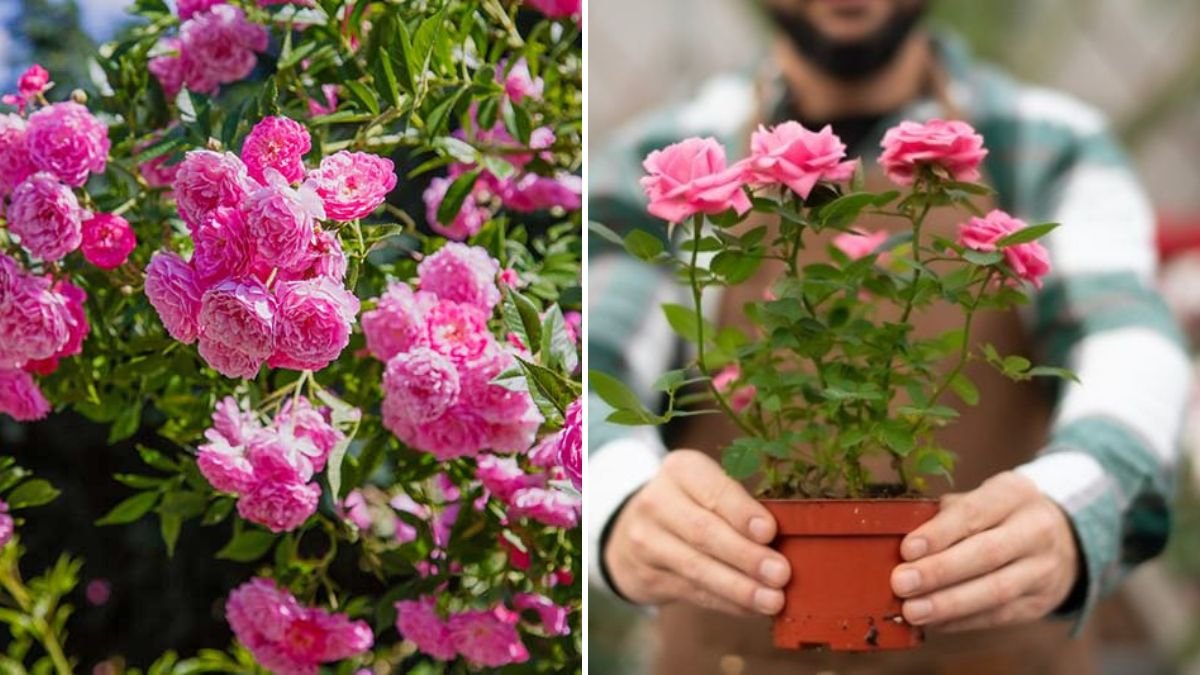
Roses are the ultimate symbol of beauty, love, and elegance. Whether it’s a climbing rose, hybrid tea, or miniature variety, nothing compares to the fragrance and charm of a rose garden. But growing roses doesn’t have to be complicated. With the right knowledge, care, and attention, anyone can cultivate healthy, blooming rose plants at home.
This guide will take you step-by-step through how to grow roses, from selecting the right variety and preparing soil to planting, watering, fertilizing, pruning, and preventing pests. By the end, you’ll be ready to create a vibrant rose garden full of gorgeous blooms.
Why Grow Roses at Home?
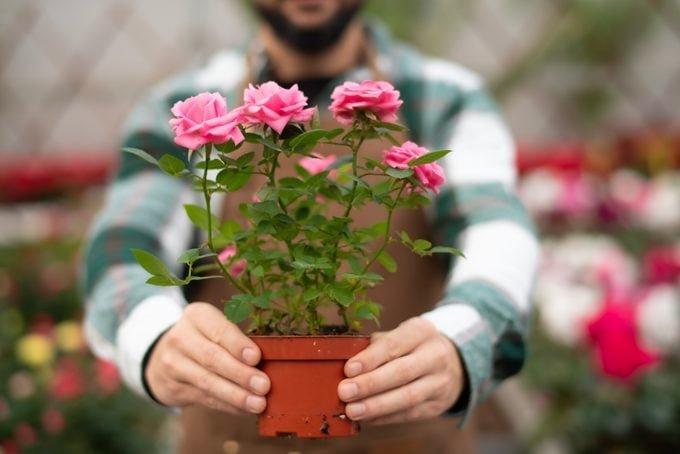
Growing roses at home has several benefits:
- Aesthetic appeal: Adds beauty and elegance to any garden or balcony.
- Fragrance: Fresh rose flowers give your home a natural aroma.
- Cost-effective: Grow unlimited plants from cuttings or seeds instead of buying them.
- Health benefits: Rose petals and leaves are used in teas, skincare, and traditional remedies.
- Therapeutic activity: Gardening reduces stress and improves mental health.
Whether you’re a beginner gardener or an experienced enthusiast, roses are an ideal plant to cultivate.
Choosing the Right Rose Variety
Before you start, choosing the right type of rose is essential. Consider your climate, available space, and purpose.
1. Hybrid Tea Roses
- Long, elegant blooms
- Ideal for cut flowers
- Needs full sun and rich soil
2. Floribunda Roses
- Clusters of blooms
- Compact growth
- Great for beds and borders
3. Climbing Roses
- Grow vertically on trellises or fences
- Large, fragrant flowers
- Requires support and pruning
4. Miniature Roses
- Small flowers and compact growth
- Suitable for pots or indoor spaces
- Easy to maintain
5. Old Garden Roses
- Fragrant and resilient
- Slow-growing but hardy
Choose a variety suited to your environment for the best results.
Preparing the Soil for Roses
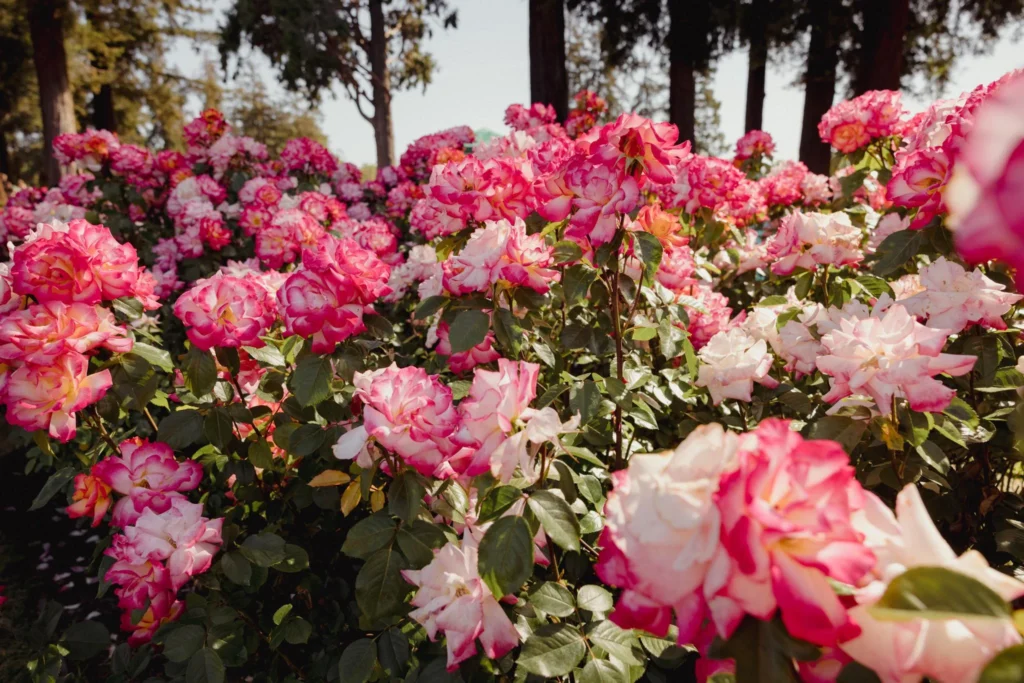
Healthy soil is the key to strong rose plants. Roses prefer:
- Well-draining soil: Avoid waterlogging
- Loamy soil: A mix of sand, clay, and organic matter
- Slightly acidic pH: Between 6.0–6.5
- Nutrient-rich: Enriched with compost or manure
Steps to Prepare the Soil
- Clear weeds and debris from the planting area.
- Mix in compost or well-rotted cow dung for nutrients.
- Ensure the soil is loose and aerated to allow roots to penetrate easily.
For pots, use a mix of garden soil, sand, and compost to ensure proper drainage and nutrition.
How to Plant Roses
1. Planting from Cuttings
Propagating roses from cuttings is easy and cost-effective.
- Take a 6–8 inch semi-hardwood cutting from a healthy parent plant.
- Remove the lower leaves, leaving 2–3 leaves on top.
- Dip the bottom end in rooting hormone or honey.
- Plant the cutting 2–3 inches deep in moist soil.
- Cover with a plastic bag or bottle to maintain humidity.
2. Planting Bare-Root Roses
- Soak the roots in water for 2–4 hours before planting.
- Dig a hole wide enough to spread roots comfortably.
- Plant slightly below ground level, fill with soil, and water thoroughly.
3. Planting Potted Roses
- Choose a large container with drainage holes.
- Use a nutrient-rich potting mix.
- Water after planting and keep in partial shade for a week.
Watering Roses
Proper watering is essential:
- Frequency: 2–3 times per week during summer; once per week during winter.
- Method: Water at the base of the plant, avoiding leaves to prevent fungal disease.
- Soil moisture: Keep soil consistently moist but not waterlogged.
Tip: Mulching around the base helps retain moisture and control weeds.
Fertilizing Roses
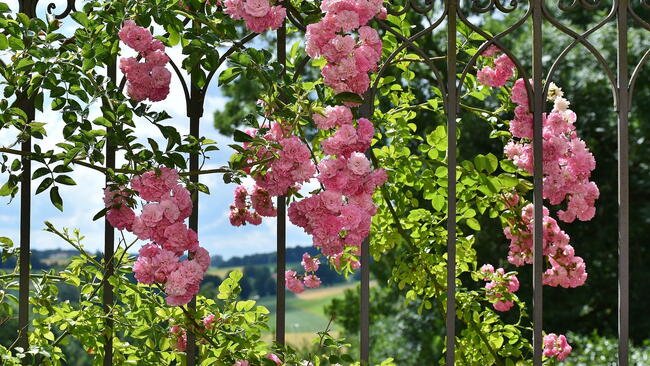
Roses are heavy feeders and need regular nutrition:
- Organic fertilizers: Compost, cow dung, vermicompost
- Chemical fertilizers: NPK 10:10:10 for balanced growth
- Micronutrients: Magnesium, iron, and zinc for leaf health
Fertilization Schedule
- Apply compost every 2 months
- Use liquid fertilizers during flowering season
- Avoid over-fertilization, which can burn roots
Sunlight Requirements
Roses thrive in full sunlight, requiring 6–8 hours per day.
- Morning sun is ideal
- Avoid strong afternoon sun for delicate varieties
- For indoor roses, place near south-facing windows or use grow lights
Proper sunlight encourages strong growth, vibrant flowers, and disease resistance.
Pruning Roses
Pruning is crucial for healthy growth and continuous blooms:
- Timing: Late winter or early spring before new growth
- Tools: Sharp, sterilized pruning shears
- Steps:
- Remove dead, weak, or diseased branches
- Cut crossing or inward-growing branches
- Trim for shape and height
Pruning improves airflow, reduces disease, and stimulates flowering.
Common Pests & Diseases
Roses are prone to some pests and diseases. Here’s how to manage them:
1. Aphids
- Spray neem oil or insecticidal soap
2. Mealybugs & Spider Mites
- Wipe leaves with soapy water
- Use neem or horticultural oil
3. Powdery Mildew
- Apply sulfur-based fungicide
- Ensure proper airflow
4. Black Spot Disease
- Remove affected leaves
- Use fungicide sprays regularly
Healthy care and regular monitoring prevent most problems.
Encouraging Flowering
To get beautiful, continuous blooms:
- Ensure full sun
- Use potash-rich fertilizers during flowering
- Remove spent flowers (deadheading) to stimulate new blooms
- Maintain consistent watering
Deadheading prevents the plant from wasting energy on seeds and encourages new flowers.
Growing Roses in Containers
Roses are ideal for pots and balconies:
- Choose a 12–14 inch pot for healthy root growth
- Use well-draining soil
- Place in sunlight
- Water regularly and fertilize as per schedule
- Provide support for climbing varieties
Container roses can bloom as beautifully as garden-planted roses with proper care.
Harvesting Rose Flowers
- Pick early morning when petals are fresh
- Choose tight buds for longer vase life
- Regular harvesting encourages new blooms
Roses can be used for decoration, teas, jams, essential oils, or homemade skincare.
Final Thoughts
Learning how to grow roses is both enjoyable and rewarding. With proper sunlight, good soil, regular watering, and attention to pests and pruning, anyone can cultivate a stunning rose garden.
Start with a few plants, experiment with cuttings or potted varieties, and gradually expand your collection. Growing roses is not just about flowers—it’s about creating beauty, fragrance, and joy in your home.
By following this guide, you can enjoy healthy, vibrant roses all year round, whether in pots, beds, or climbing trellises.