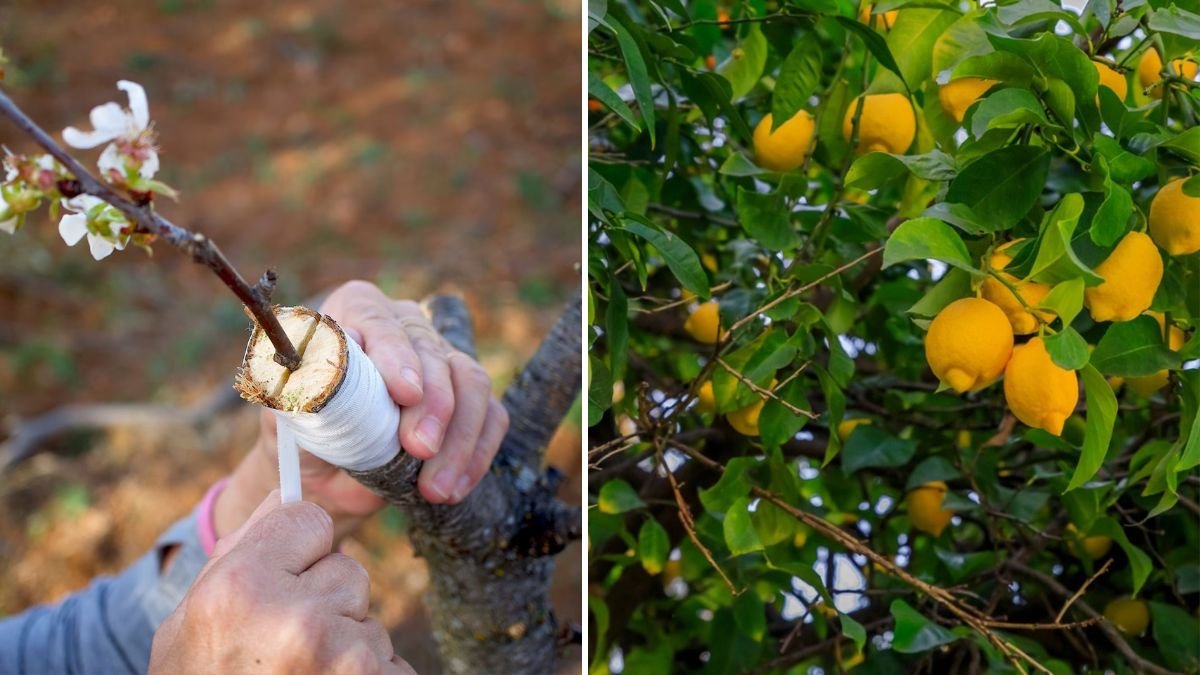
Grafting has been a cornerstone of horticulture for centuries. It allows gardeners and farmers to combine the best qualities of two plants—disease resistance, faster growth, and superior fruit quality—into a single plant. Traditional grafting techniques have served us well, but with modern innovations and creative approaches, a new idea for grafting is transforming the way we propagate plants.
This guide explores the latest ideas and methods in grafting, how they work, and how you can apply them to fruit trees, ornamental plants, and even vegetables. By adopting innovative grafting techniques, you can improve success rates, save time, and produce stronger, healthier plants.
Why Grafting is Important
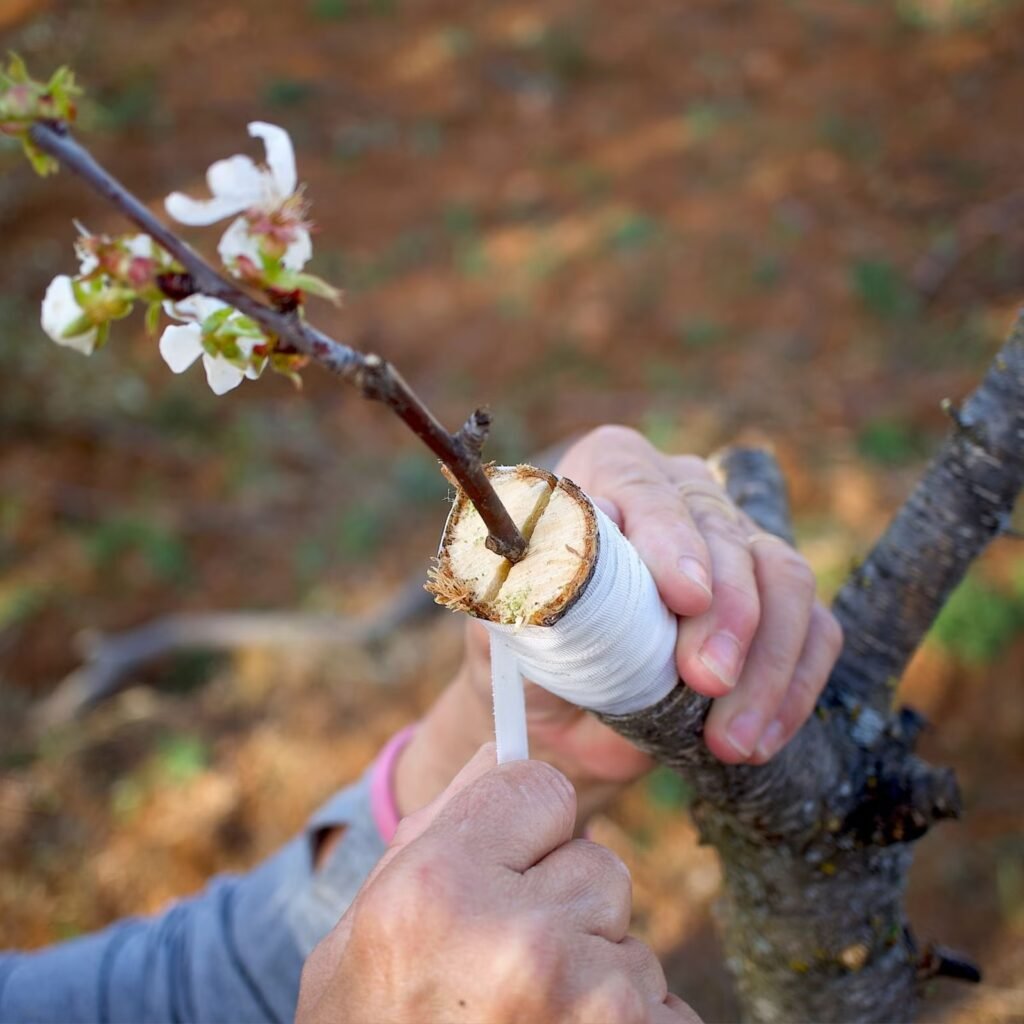
Grafting is a propagation technique where a part of one plant (the scion) is joined with another plant (the rootstock) so that they grow as a single organism.
Benefits of grafting:
- True-to-type plants: Maintain the characteristics of the parent plant.
- Faster fruiting: Grafted plants produce fruits earlier than seed-grown plants.
- Disease resistance: Rootstock can resist soil-borne diseases.
- Dwarfing or size control: Certain rootstocks control plant size.
- Stress tolerance: Plants can survive harsh climates, drought, or poor soil.
Grafting is particularly popular for fruit trees like mango, citrus, guava, apples, and ornamental plants like roses and hibiscus.
Traditional Grafting Methods
Before exploring new ideas, it’s important to understand the traditional methods:
1. Cleft Grafting
- Widely used for mango, citrus, and guava.
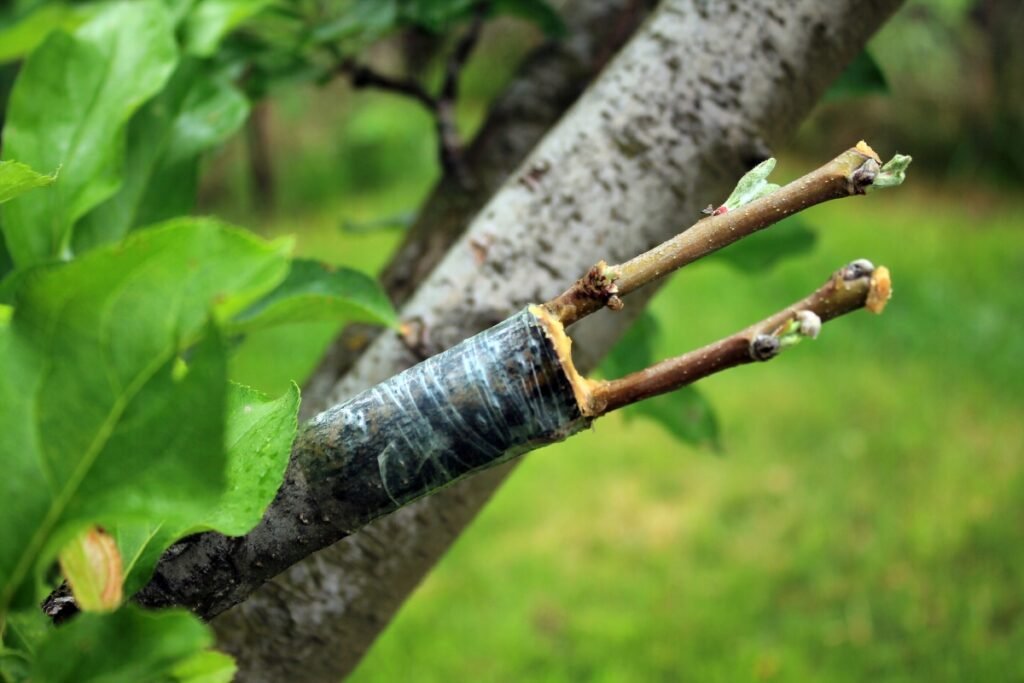
- Scion is inserted into a cleft in the rootstock.
2. Whip and Tongue Grafting
- Common for apples and pears.
- Provides a stronger union and higher success rate.
3. Budding (T-budding or Chip Budding)
- Single bud of the desired variety is grafted onto the rootstock.
- Popular for citrus and rose propagation.
4. Approach Grafting
- Both scion and rootstock remain rooted until they fuse.
- Useful for ornamental plants.
While effective, these methods sometimes fail due to improper alignment, incompatible varieties, or environmental stress. This is where new grafting ideas make a difference.
A New Idea for Grafting: Step-by-Step Overview
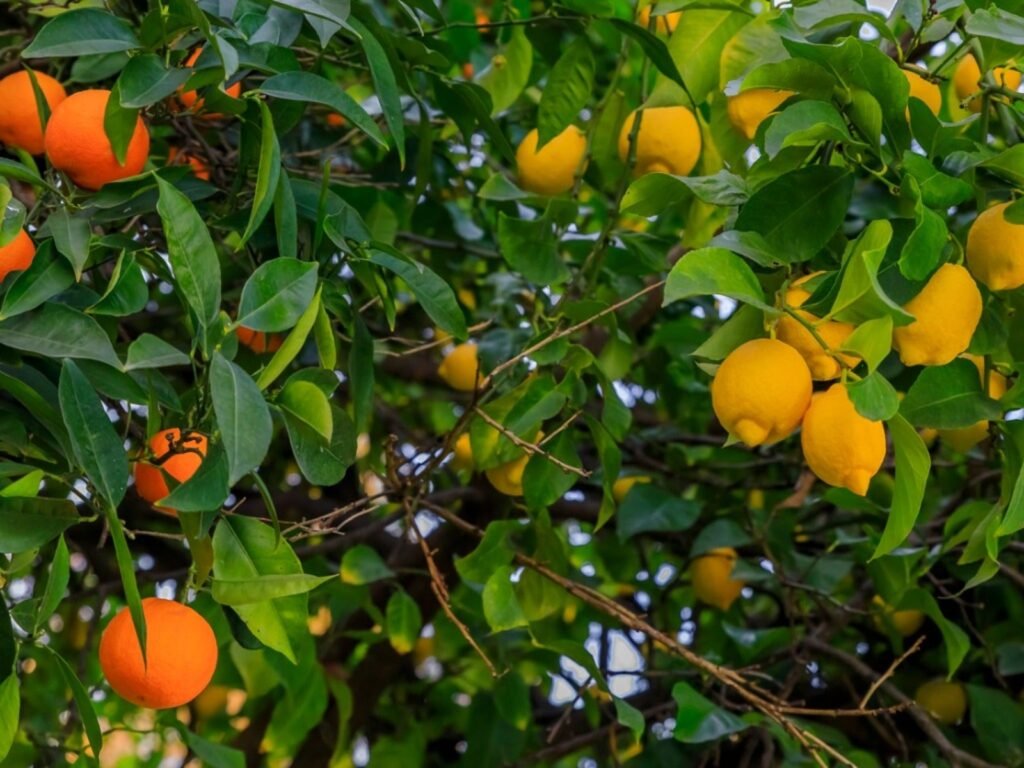
Recent innovations in grafting focus on improving success rate, faster growth, and ease of application. One of the most promising approaches combines air layering principles with traditional grafting. This technique ensures that both scion and rootstock develop strong vascular connections quickly, reducing failure.
Step 1: Select Healthy Plants
- Choose a disease-free, strong rootstock.
- Select a scion with healthy buds and mature stems.
Step 2: Prepare the Scion and Rootstock
- Cut the scion and rootstock at matching diameters.
- Make a clean, slanted cut to increase surface area for grafting.
- Optionally, treat cuts with natural rooting compounds (like honey or aloe vera) to enhance healing.
Step 3: Join Scion and Rootstock
- Insert the scion into the rootstock securely.
- Wrap with grafting tape or biodegradable film to hold the union and protect from moisture loss.
Step 4: Create a Humid Environment
- Cover the graft area with a plastic bag or transparent sheet.
- Maintain high humidity and moderate temperature for rapid healing.
Step 5: Support the Plant
- Tie the plant gently to a stake to avoid movement.
- Avoid direct harsh sunlight until graft heals.
Step 6: Monitor and Care
- Keep soil moist but not waterlogged.
- Remove any competing shoots from the rootstock.
- After 3–4 weeks, check for successful union and new growth.
This method, sometimes called “enhanced union grafting”, combines the best of traditional grafting and controlled environment propagation, making it highly effective.
Advantages of This New Grafting Idea
- Higher Success Rate
Traditional grafts often fail due to dehydration or poor vascular alignment. Maintaining humidity and using expanded surface area cuts increases survival. - Faster Healing and Growth
The scion quickly establishes a connection with the rootstock, accelerating new growth and early fruiting. - Versatility
Works for a wide range of plants including fruit trees (mango, citrus, guava), ornamentals (hibiscus, roses), and even vegetables (tomatoes, cucumbers). - Reduced Labor
Grafts require less frequent care because the micro-environment reduces stress on the union. - Eco-Friendly Materials
Using biodegradable tapes and natural rooting compounds reduces chemical use.
Tips for Successful Grafting
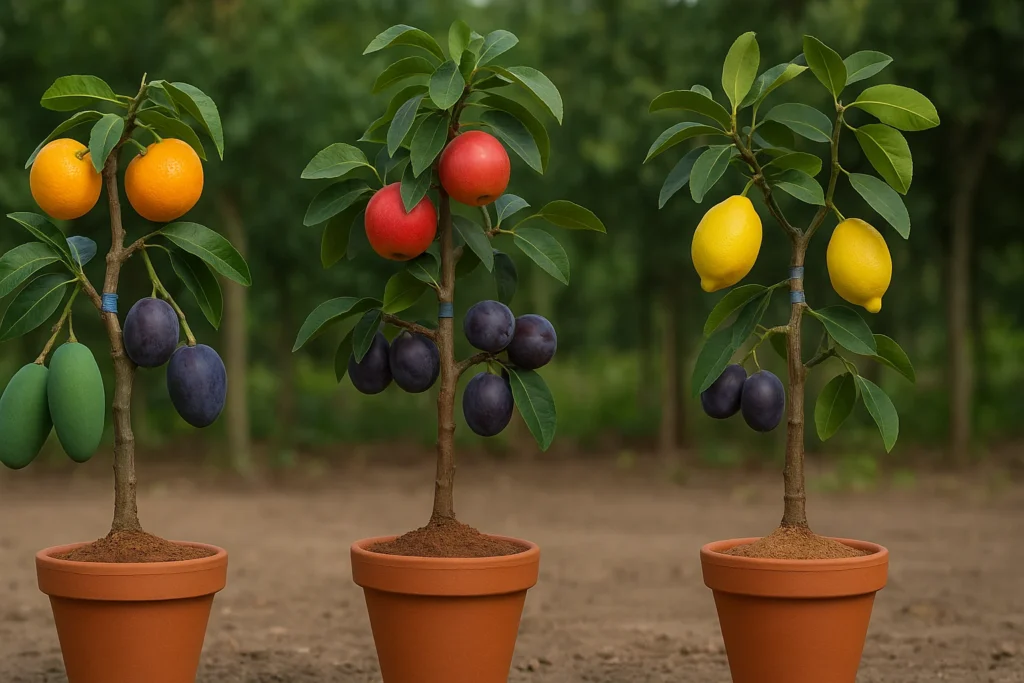
- Choose compatible plants: Not all species can be grafted together.
- Make clean cuts: A sharp knife ensures maximum contact and healing.
- Use grafting wax or tape: Protects against moisture loss and pests.
- Maintain humidity: Cover the graft area to prevent drying.
- Avoid strong winds or direct sun: Stress can break the union.
- Monitor growth: Remove sprouts from the rootstock to allow scion dominance.
Common Mistakes to Avoid
- Improper alignment of vascular cambium – leads to graft failure.
- Low humidity – cuts dry out before healing.
- Overwatering – can cause root rot or scion decay.
- Using unhealthy scion or rootstock – reduces survival chances.
- Removing all leaves immediately – leaves help maintain energy and photosynthesis.
Avoiding these mistakes significantly increases grafting success.
Applications of the New Grafting Idea
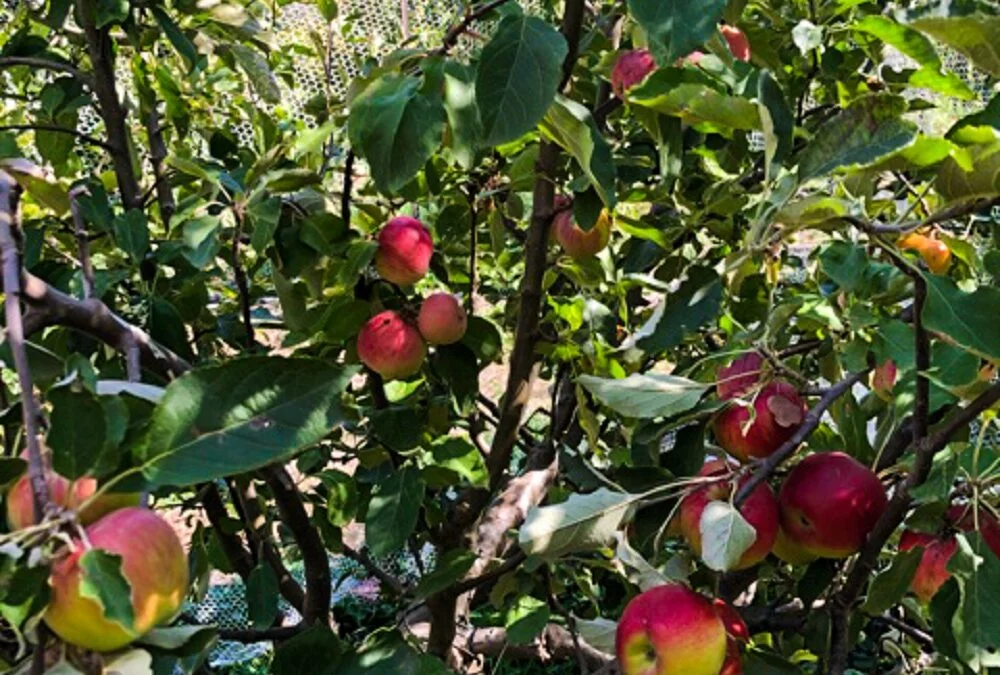
This innovative grafting approach can be applied to:
- Fruit Trees: Mango, guava, citrus, apple, pear
- Ornamental Plants: Roses, hibiscus, bougainvillea
- Vegetables: Tomatoes, cucumbers, eggplant (grafting onto disease-resistant rootstocks)
- Rare or Hybrid Plants: Propagating uncommon varieties for home gardens or commercial use
By adopting modern grafting techniques, gardeners can maximize yield, ensure plant health, and preserve genetic traits efficiently.
Why This New Idea is a Game-Changer
Traditional grafting has always required skill, patience, and sometimes luck. The new grafting idea offers:
- Improved reliability even for beginners
- Faster establishment of young plants
- Adaptability to different climates and plant types
- Sustainability through eco-friendly materials and less chemical dependency
With this approach, grafting is no longer a niche skill but an accessible technique for home gardeners, nurseries, and commercial horticulturists alike.
Final Thoughts: Embrace the Future of Grafting
Grafting is one of the most powerful tools in modern horticulture. By integrating innovative methods, controlled environments, and simple enhancements, you can achieve higher success rates, healthier plants, and faster growth.
Whether you are a beginner gardener trying to multiply your favorite fruit tree or a professional looking to improve nursery production, this new idea for grafting opens up exciting possibilities.
Start experimenting with this method today, and you’ll be amazed at how easily you can propagate robust, productive plants with superior traits. By combining science, creativity, and traditional horticultural knowledge, you can revolutionize your garden with the power of grafting.