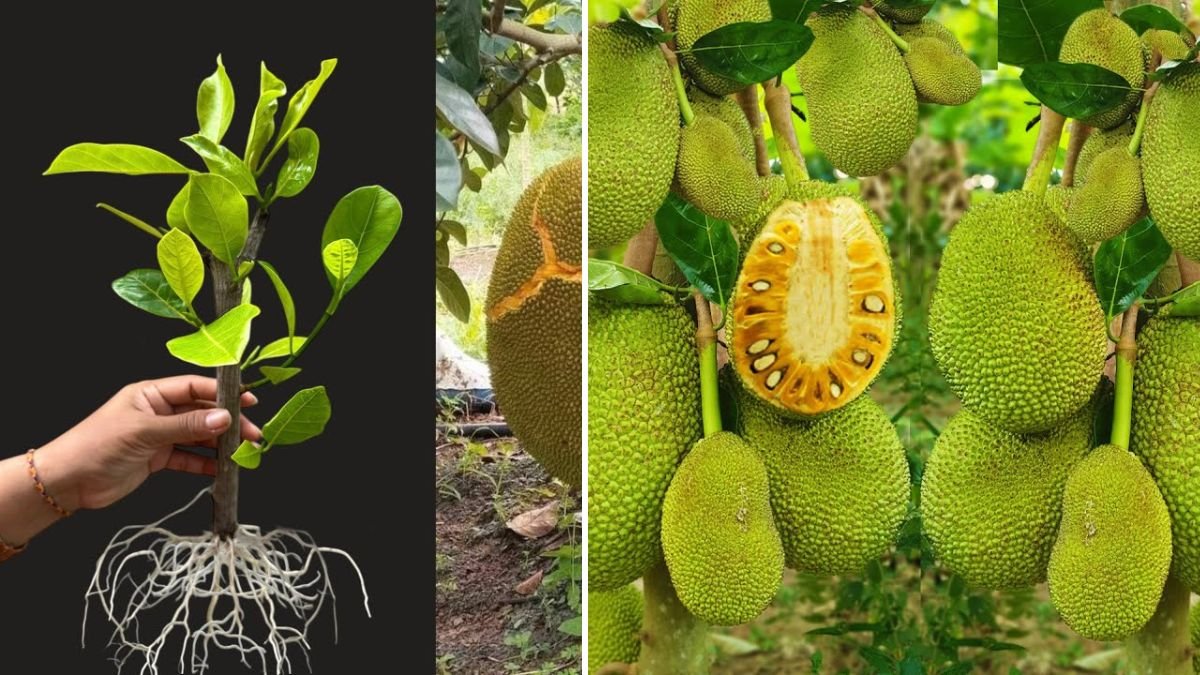
Jackfruit, known as the largest fruit of the plant kingdom, is cherished for its sweet aroma, rich flavor, and high nutritional value. Whether you enjoy its soft, juicy bulbs or its crispy chips, a jackfruit tree can bless you with delicious harvests for decades. But growing jackfruit from seed takes time, and young trees may take years to fruit—and even then, the quality is not always guaranteed.
This is why gardeners and farmers prefer grafting, the most reliable method to grow jackfruit trees that are strong, fast-growing, and true to their parent variety. In this complete guide, you will learn how to graft jackfruit trees step by step, with professional tips, tools, and the best techniques to ensure success.
Let’s begin your journey to mastering jackfruit grafting!
Why Graft Jackfruit Instead of Growing from Seed?
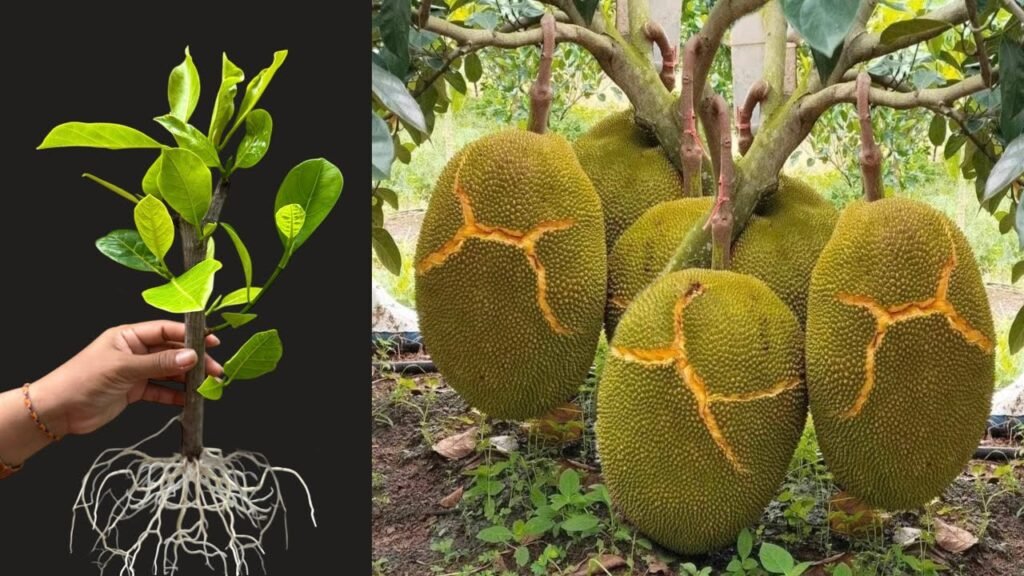
Many beginners wonder why grafting is necessary. Here are the top reasons:
✔ Faster Fruiting
Seed-grown jackfruit trees usually take 5–7 years to bear fruit.
Grafted jackfruit trees begin fruiting in 2–3 years.
✔ Guaranteed Fruit Quality
Seeds do not produce true-to-type fruits.
Grafting ensures the exact taste, size, and sweetness of the parent tree.
✔ Stronger Growth
Grafted trees have a hardy rootstock that tolerates drought, pests, and soil challenges.
✔ Ideal for Small Spaces
These trees remain shorter and manageable, perfect for home gardens.
With grafting, you can grow premium jackfruit varieties right in your backyard.
Tools and Materials Needed
You only need simple tools:
- Sharp grafting knife or blade
- Pruning secateurs
- Rootstock plant (1–2 years old)
- Scion wood (healthy branch from a mature jackfruit tree)
- Grafting tape or plastic wrap
- Rubber strips
- Garden gloves
- Organic fungicide or neem oil
- Labels for marking
These inexpensive tools are enough to help you graft like a professional.
Best Time to Graft Jackfruit
Timing plays a key role in the success of grafting. The best seasons are:
📌 Early Summer (March–May)
The sap flow increases, helping fast healing.
📌 Monsoon Start (June–July)
Mild temperature and humidity improve graft success.
Avoid extreme winter and heavy rainy periods.
Understanding Rootstock and Scion
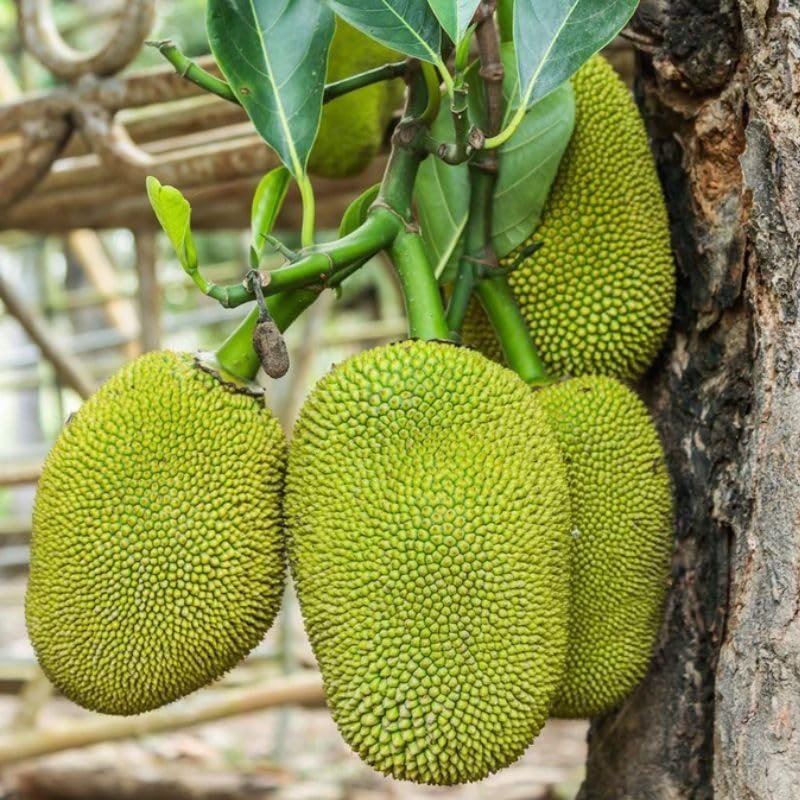
Before grafting, you need two parts:
1. Rootstock
This is a young jackfruit plant grown from seeds.
The rootstock must be:
- 1–2 years old
- Straight and healthy
- About pencil thickness
- Disease-free
Rootstock gives strength, disease resistance, and deep roots.
2. Scion
This is a branch from a mature jackfruit tree that already produces good fruits.
Choose a scion that is:
- 3–6 months old
- Healthy with visible buds
- Same thickness as the rootstock
This scion will become the upper part of your new tree.
Best Grafting Methods for Jackfruit
There are several grafting methods, but two work exceptionally well for jackfruit:
Method 1: Cleft Grafting (Most Successful)
This is the easiest and most widely used method for beginners.
Step-by-Step Guide:
Step 1: Prepare the Rootstock
- Cut the top of the rootstock straight using a sharp knife.
- Make a vertical split in the center, about 2–3 cm deep.
This split will hold the scion.
Step 2: Prepare the Scion
- Take a healthy scion with 2–3 buds.
- Trim the bottom into a wedge shape—two smooth sloping cuts forming a V.
- The cuts must be clean and even for proper contact.
Step 3: Insert the Scion into the Rootstock
- Gently open the rootstock split.
- Insert the scion wedge firmly so the cambium layers (green layer under bark) touch.
Step 4: Wrap the Graft
- Use grafting tape or plastic to wrap tightly.
- Ensure full sealing to prevent moisture loss.
Step 5: Cover and Protect
- If climate is hot, place a paper bag loosely around the graft for shade.
- Keep in bright but indirect light.
Step 6: Observe New Growth
After 3–5 weeks:
- Buds start swelling
- New leaves appear
- Tape can be loosened after 30–40 days
This means your graft has succeeded!
Method 2: Softwood Grafting (Highly Effective)
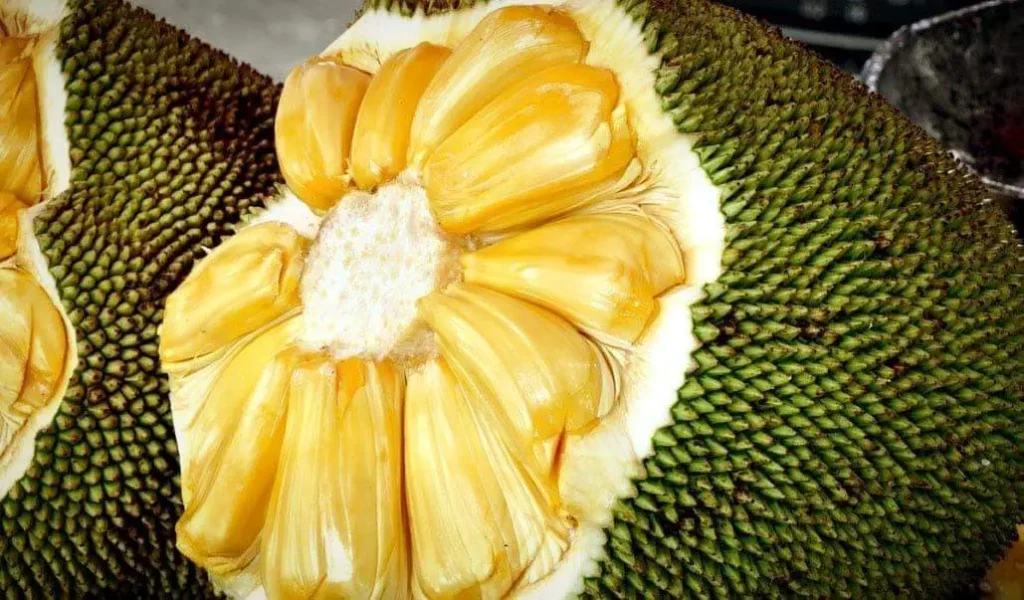
This method is often used in nurseries because success rates are high.
Step-by-Step Guide:
1. Prepare Soft Rootstock
- Select a soft, greenish stem around 6–12 months old.
- Cut the top cleanly.
2. Make a Vertical Cut
- About 4–5 cm long.
3. Prepare Scion
- Select a tender yet mature scion.
- Trim it into a wedge shape.
4. Insert and Wrap
- Fit scion into the vertical cut.
- Wrap firmly with grafting tape.
5. Protect from Sun
- Keep under shade net or filtered light.
Softwood grafting heals faster because tissues are actively growing.
Aftercare of Grafted Jackfruit Trees
Your graft needs proper care to grow strong.
✔ Watering
- Keep soil slightly moist.
- Avoid overwatering—wet soil causes fungal infection.
✔ Remove Unwanted Shoots
If rootstock produces new shoots below the graft, prune them immediately.
✔ Provide Shade
New grafts are sensitive; protect them from:
- Harsh sunlight
- Strong wind
- Heavy rain
Use a shade cloth if needed.
✔ Check for Infections
Spray neem oil once every 10–15 days to prevent fungal problems.
✔ Remove Wrapping After Healing
After 40–50 days, gently remove or loosen the tape.
When Will the Grafted Jackfruit Tree Start Fruiting?
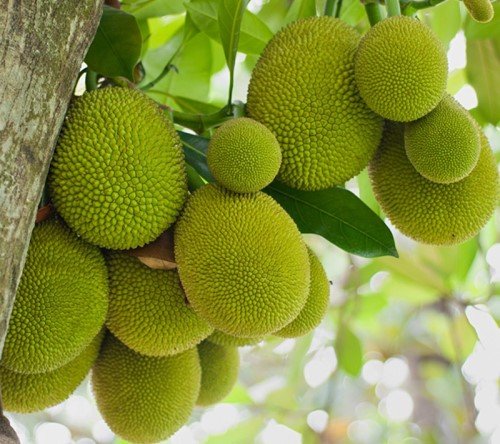
Grafted trees grow faster and fruit earlier.
Fruiting begins in 2–3 years
(compared to 6–8 years for seed-grown trees!)
This makes grafting the best choice for both home gardeners and commercial growers.
Tips to Increase Grafting Success Rate
Try these expert tips:
- Always use a sharp, sterilized knife.
- Choose healthy, disease-free parent trees.
- Make smooth cuts; rough cuts reduce success.
- Select scions with swollen buds.
- Ensure cambium contact—this is the heart of successful grafting.
- Wrap tightly so no air enters.
- Graft early morning or late afternoon.
- Keep the plant in shade for the first 15 days.
Following these tips will drastically increase success and growth.
Advantages of Grafted Jackfruit Trees
- Predictable fruit quality
- Better flavor and sweetness
- Compact size—good for home gardens
- Stronger roots and disease resistance
- Higher yield
- Better adaptability to soil and climate
- Faster recovery from stress
You get a superior plant that begins fruiting quickly and abundantly.
Conclusion: Master the Art of Grafting Jackfruit and Grow Trees That Last a Lifetime
Learning how to graft jackfruit trees empowers you to grow premium varieties with excellent taste, faster growth, and higher yield. With just a few simple tools and the right technique, you can produce strong, healthy, grafted jackfruit trees right at home.
This traditional technique, when done carefully, turns you into a creator—combining the strength of one tree with the delicious fruiting capacity of another.
Whether you want jackfruit for home consumption, selling saplings, or creating your own orchard, mastering grafting is the key to success.