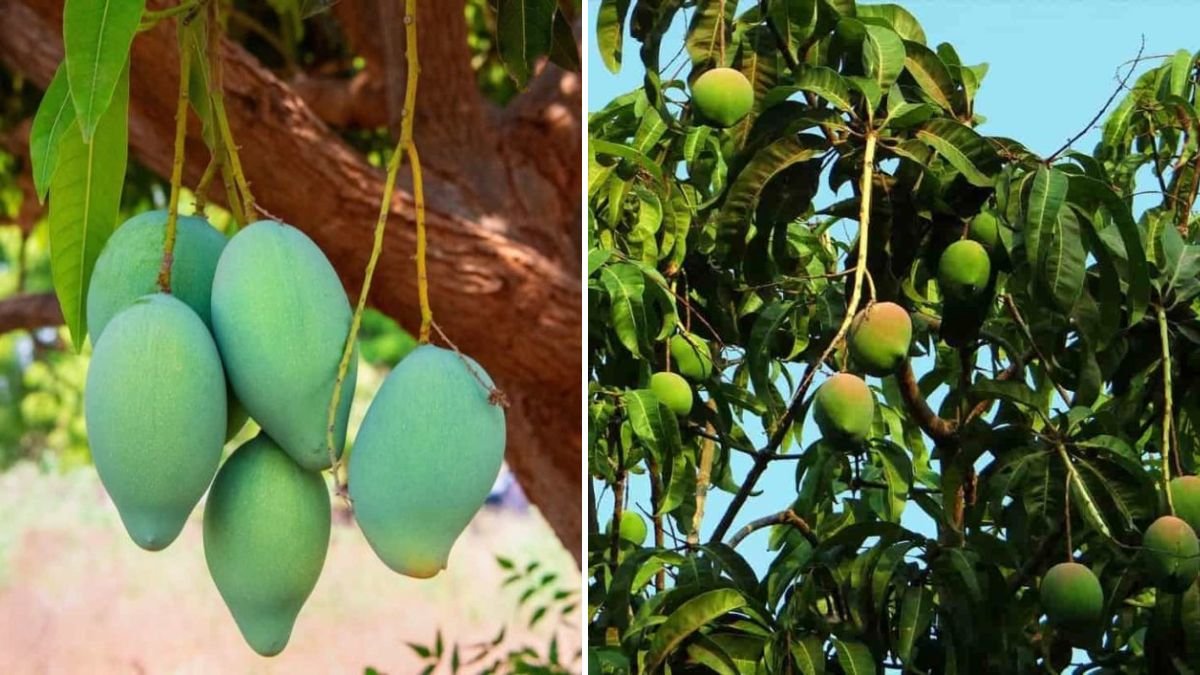
Mango (Mangifera indica), known as the “king of fruits,” is one of the most cherished tropical fruits worldwide. Its sweet, juicy flesh and rich aroma make it a favorite in households, markets, and restaurants. But growing a mango tree that produces high-quality fruits requires proper propagation techniques.
Whether you want a mango tree in your backyard, a home garden, or a large orchard, propagation is the key to success. In this guide, we will explore how to propagate mango trees using seeds, grafting, and air-layering, along with expert tips, tools, and aftercare to ensure strong growth and abundant fruit production.
Why Proper Mango Propagation Matters
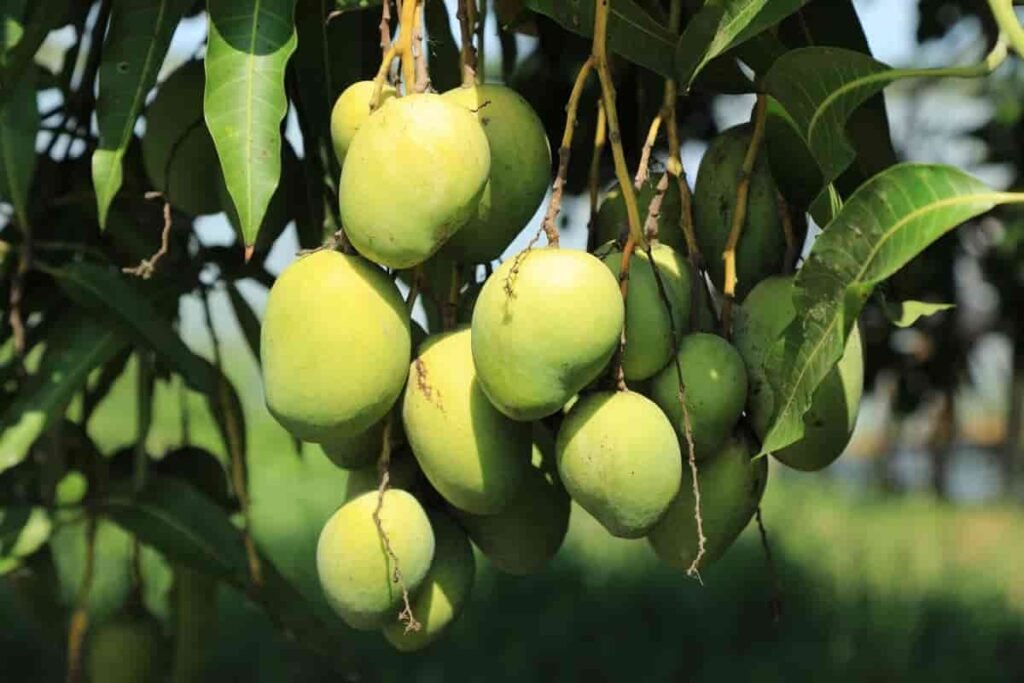
Propagation is more than planting a seed; it determines the health, growth rate, and fruit quality of your mango tree. The right propagation method ensures:
- Faster fruiting: Seed-grown trees may take 5–8 years, while grafted trees can fruit in 2–3 years.
- True-to-type fruits: Grafting and air-layering preserve the parent tree’s desirable characteristics.
- Stronger trees: Properly propagated trees have better root systems and disease resistance.
- High yield: Healthy propagation techniques lead to abundant and uniform fruiting.
By selecting the appropriate method and following best practices, you can grow mango trees that thrive for decades.
Method 1: Propagating Mango Trees from Seeds
Growing mango trees from seeds is the simplest method, ideal for beginners.
Step 1: Select Quality Seeds
- Use fresh seeds from healthy, ripe mango fruits.
- Wash the seed carefully to remove pulp and sugar residue.
- Dry seeds in shade for 1–2 days to avoid fungal growth.
Step 2: Pre-Treatment
- Soak seeds in water for 24 hours to soften the seed coat.
- Optional: Treat seeds with a fungicide or neem solution to prevent early infections.
Step 3: Prepare the Planting Medium
- Use a mixture of garden soil, sand, and compost (2:1:1) for proper drainage and nutrition.
- Fill pots or seedling trays with the soil mix.
Step 4: Planting Seeds
- Plant the seed vertically, with the pointed end upward, about 2–3 cm deep.
- Water lightly after planting to keep the soil moist.
Step 5: Care During Germination
- Keep the soil consistently moist but not soggy.
- Provide indirect sunlight for the first 2–3 weeks.
- Seeds typically germinate in 2–4 weeks, depending on climate and seed freshness.
Step 6: Transplanting Seedlings
- Once seedlings reach 15–20 cm, transplant them into larger pots or directly into the field.
- Maintain spacing of 8–10 meters between trees in an orchard setting.
Pros of Seed Propagation:
- Easy and inexpensive
- Produces multiple seedlings from a single fruit
Cons:
- Longer time to fruit (5–8 years)
- Fruit quality may vary from the parent tree
Method 2: Propagating Mango Trees by Grafting
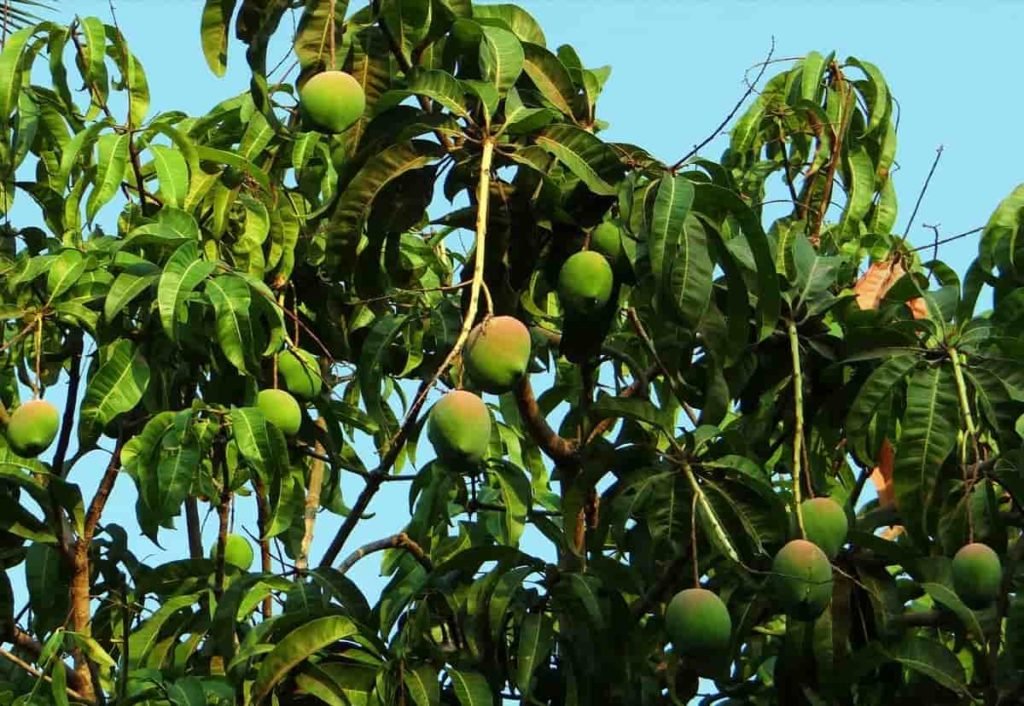
Grafting is the most popular method for commercial growers and gardeners seeking high-quality, true-to-type fruits.
Step 1: Choose Rootstock and Scion
- Rootstock: Healthy, 1-year-old seedling or established rootstock.
- Scion: Disease-free branch from a mature mango tree with desirable fruit quality.
Step 2: Grafting Techniques
1. Cleft Grafting:
- Cut the rootstock straight and make a vertical split.
- Trim the scion into a wedge shape.
- Insert the scion into the rootstock split, ensuring cambium layers touch.
- Wrap tightly with grafting tape.
2. Side-Grafting:
- Make a slanting cut on the side of the rootstock stem.
- Fit the scion along the cut.
- Secure with tape and cover the graft with a plastic bag to retain humidity.
3. Veneer Grafting:
- Create a thin, slanting cut on the rootstock.
- Insert a flat-sided scion and wrap tightly.
Step 3: Care After Grafting
- Place the graft in bright but indirect sunlight.
- Water the plant regularly.
- Remove any shoots from the rootstock to encourage scion growth.
- Grafts usually heal within 3–5 weeks, after which new growth appears.
Advantages of Grafting:
- Early fruiting (2–3 years)
- True-to-type fruit quality
- Strong and resilient trees
- Ideal for rare or high-value varieties
Method 3: Propagating Mango Trees by Air-Layering (Marcottage)
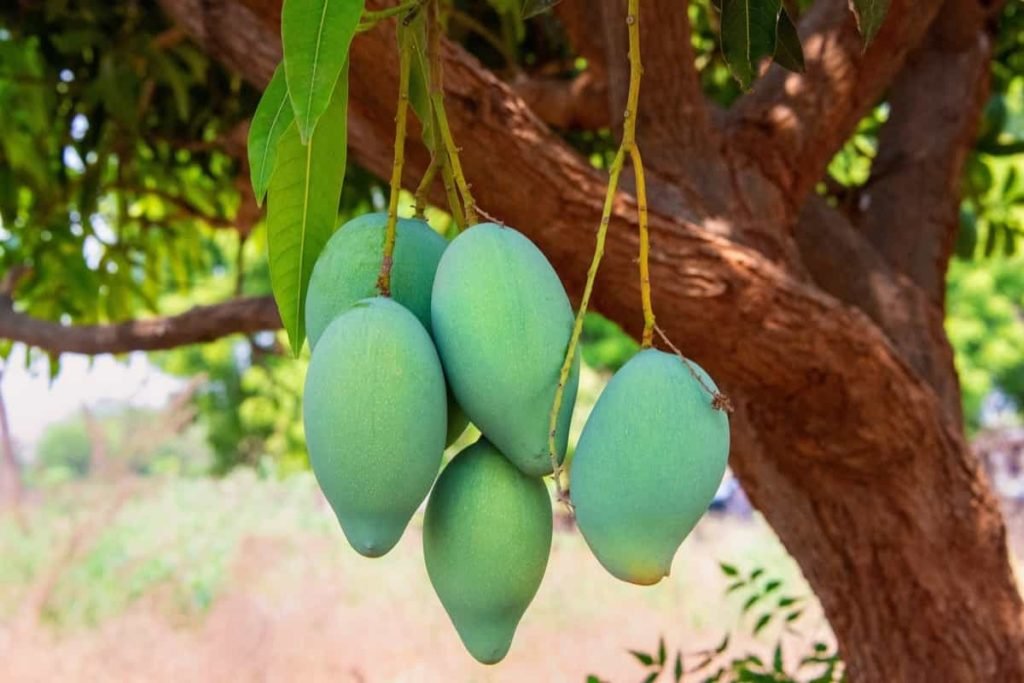
Air-layering is an excellent method for propagating mature trees or rare varieties.
Step 1: Select a Branch
- Choose a healthy, mature branch about pencil thickness.
Step 2: Prepare the Node
- Remove a ring of bark 2–3 cm wide to expose the cambium layer.
- Apply rooting hormone or natural growth booster to the exposed area.
Step 3: Wrap with Rooting Medium
- Pack moist coco peat or a sand-compost mixture around the ringed area.
- Cover with plastic wrap and tie both ends tightly to retain moisture.
Step 4: Monitor Root Formation
- Roots usually appear in 4–8 weeks, depending on climate and branch thickness.
- Once roots are dense, cut the branch below the rooted section and plant in soil.
Advantages:
- Produces fast-growing, fruiting trees
- Ideal for preserving rare varieties
- High survival rate compared to cuttings
Post-Propagation Care for Mango Trees
Proper care ensures young mango trees establish successfully and grow vigorously.
1. Watering
- Water regularly during the first year.
- Avoid overwatering, which can cause root rot.
- Deep watering encourages strong root growth.
2. Fertilization
- Apply organic compost or well-rotted manure at planting.
- Use balanced NPK fertilizer as trees mature:
- Nitrogen for vegetative growth
- Phosphorus for root development
- Potassium for flowering and fruiting
- Fertilize every 2–3 months during the growing season.
3. Sunlight
- Mango trees require 6–8 hours of full sunlight daily.
- Adequate sunlight promotes flowering and fruiting.
4. Pest and Disease Management
- Common pests: mealybugs, mango hoppers, fruit flies
- Common diseases: powdery mildew, anthracnose, bacterial canker
- Apply neem oil or other biopesticides regularly to prevent infestations.
5. Pruning
- Remove dead or weak branches.
- Shape young trees to promote airflow and sunlight penetration.
- Pruning encourages strong branches capable of supporting heavy fruits.
When Will Mango Trees Start Fruiting?

| Propagation Method | Time to First Fruit |
|---|---|
| Seed | 5–8 years |
| Grafting | 2–3 years |
| Air-Layering | 2–3 years |
Grafted and air-layered trees fruit faster, with consistent quality and size, making them ideal for orchards and home gardens alike.
Expert Tips for Successful Mango Propagation
- Always use healthy, disease-free seeds or scions.
- Use semi-hardwood cuttings for higher rooting success.
- Maintain cambium contact in grafts for faster healing.
- Apply mulch around young trees to retain moisture and suppress weeds.
- Monitor daily for pests or fungal infections.
- Maintain proper spacing (8–10 meters) between trees for optimal growth.
- Provide shade for young grafts and seedlings to prevent sun scorch.
Conclusion
Propagating mango trees successfully ensures healthy growth, strong roots, and high-quality fruits. Whether you use:
- Seeds – simple, inexpensive, produces multiple seedlings
- Grafting – early fruiting, true-to-type fruits, resilient trees
- Air-layering – ideal for mature trees and rare varieties
Following the step-by-step methods and expert care tips in this guide will help you grow strong, productive mango trees that reward you with sweet, juicy fruits for years to come.
Start today and enjoy the king of fruits in your garden or orchard, flourishing with proper propagation and care.