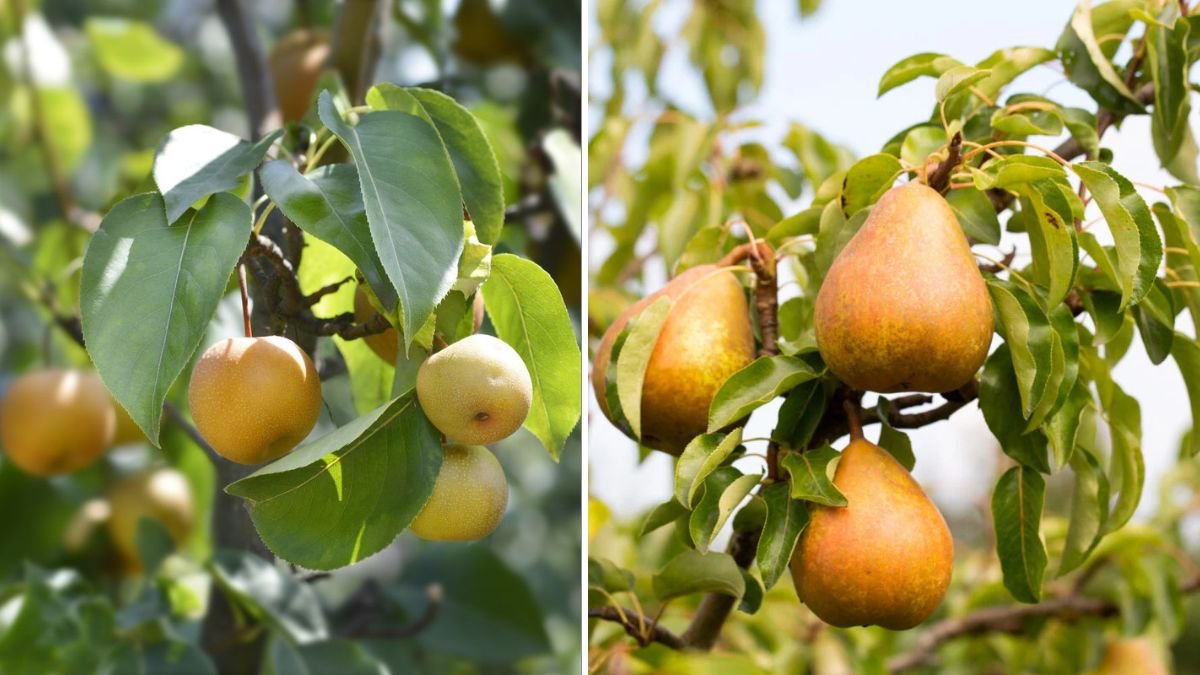
Pear trees are one of the most rewarding fruit trees to grow, offering delicious, juicy fruits and an elegant addition to any garden. Whether you have a sprawling orchard or a small backyard, learning how to grow pear trees successfully can bring you years of enjoyment. In this comprehensive guide, we’ll explore everything you need to know about growing pear trees—from choosing the right variety to planting, care, pruning, and harvesting.
1. Choosing the Right Pear Variety
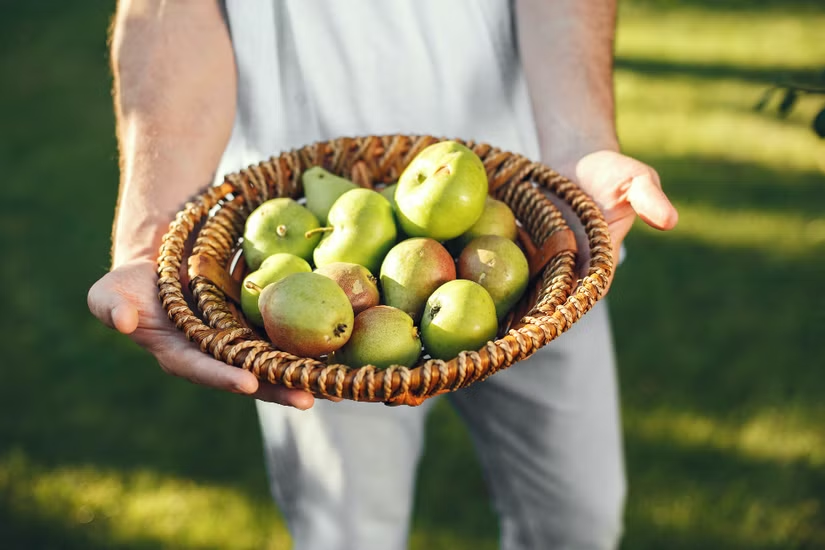
Selecting the right variety is crucial to the success of your pear-growing journey. Pears come in two main types: European pears (Pyrus communis) and Asian pears (Pyrus pyrifolia). European pears, such as ‘Bartlett’ and ‘Bosc,’ are soft and juicy, while Asian pears like ‘Shinseiki’ are crisp, round, and apple-like.
When choosing a pear tree, consider:
- Climate: European pears thrive in temperate climates, while Asian pears can tolerate warmer conditions.
- Pollination: Most pear trees are not self-pollinating, so planting two compatible varieties nearby will ensure fruit production.
- Disease Resistance: Some varieties are more resistant to fire blight and other common pear diseases, which can make care easier.
2. Selecting the Perfect Planting Site
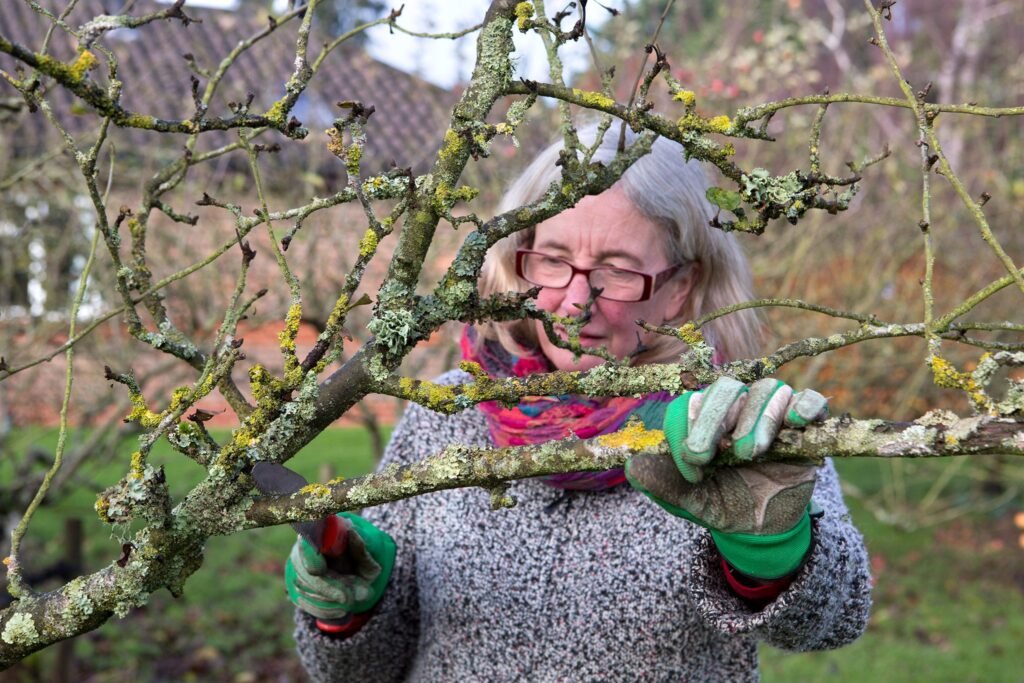
Pear trees need a location with full sun (at least six hours per day) and well-drained soil. Avoid low-lying areas where water tends to collect, as pears dislike “wet feet” that can cause root rot. Ideally, the soil should be slightly acidic to neutral (pH 6.0–7.0).
Good air circulation is also essential, as stagnant air can promote fungal diseases. Consider planting trees on a gentle slope to improve drainage and reduce frost risk.
3. Planting Your Pear Tree
The best time to plant pear trees is during late winter or early spring while the tree is still dormant. Here’s a step-by-step guide:
- Dig a hole twice as wide and as deep as the root ball.
- Loosen the soil at the bottom of the hole to help roots penetrate.
- Amend the soil with compost or well-rotted manure to improve fertility and drainage.
- Place the tree in the hole, making sure the graft union (the bulge near the base) is 2–3 inches above soil level.
- Backfill with soil, gently tamping to remove air pockets.
- Water deeply to settle the soil and provide initial hydration.
4. Watering and Fertilizing
Young pear trees require regular watering, especially during their first three years. Water deeply once or twice a week, depending on rainfall, to encourage strong root development. Avoid overwatering, which can lead to root diseases.
Fertilize annually in early spring using a balanced fertilizer (10-10-10) or one specially formulated for fruit trees. Avoid excessive nitrogen, as it encourages leaf growth at the expense of fruit production. Organic options like compost, well-rotted manure, or fish emulsion are also excellent choices.
5. Pruning Pear Trees for Maximum Yield
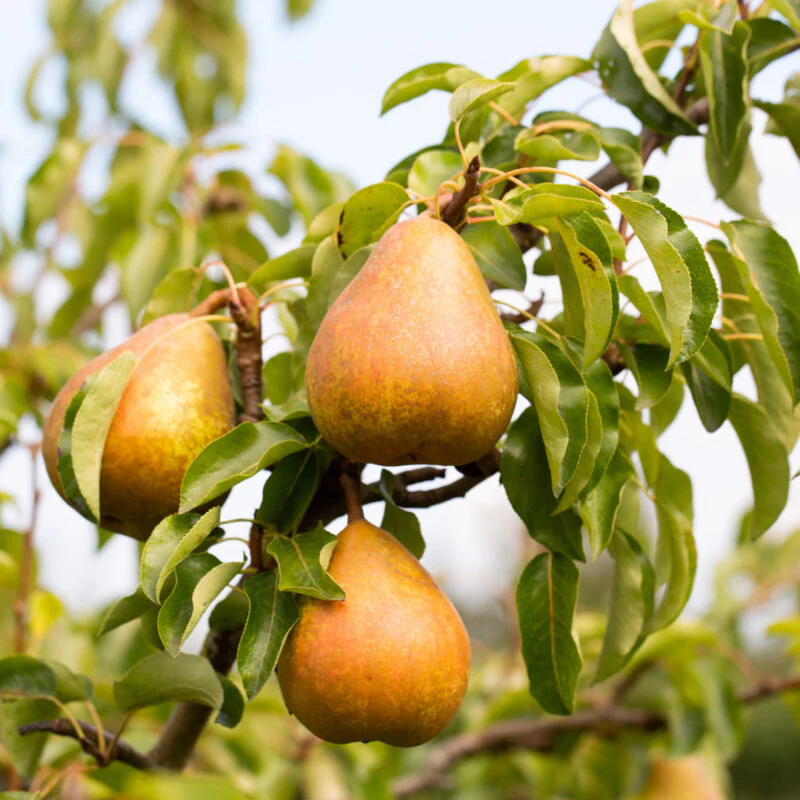
Pruning is essential for shaping the tree, promoting healthy growth, and ensuring a bountiful harvest. Pear trees are usually trained to a central leader system or an open-center system.
Key pruning tips include:
- Remove dead, diseased, or damaged branches first.
- Cut crossing or crowded branches to improve sunlight penetration and air circulation.
- Maintain a balanced structure with evenly spaced branches.
- Young trees benefit from light pruning, while mature trees require more strategic thinning.
Regular pruning reduces disease risk and encourages larger, sweeter fruits.
6. Pest and Disease Management
Pear trees can be susceptible to several pests and diseases, including:
- Fire blight: A bacterial disease that causes blackened shoots. Prune affected areas and disinfect tools.
- Pear psylla: Small insects that can weaken trees. Use insecticidal soap or natural predators like ladybugs.
- Codling moth: Larvae that burrow into fruit. Cover fruits with netting or use pheromone traps.
Implementing integrated pest management—combining cultural practices, biological controls, and careful chemical use—helps keep your pear trees healthy without harming the environment.
7. Mulching and Soil Care
Applying a layer of mulch around the base of your pear tree helps retain moisture, suppress weeds, and maintain soil temperature. Use organic materials like wood chips, straw, or compost, keeping the mulch a few inches away from the trunk to prevent rot.
8. Harvesting Pears at the Right Time
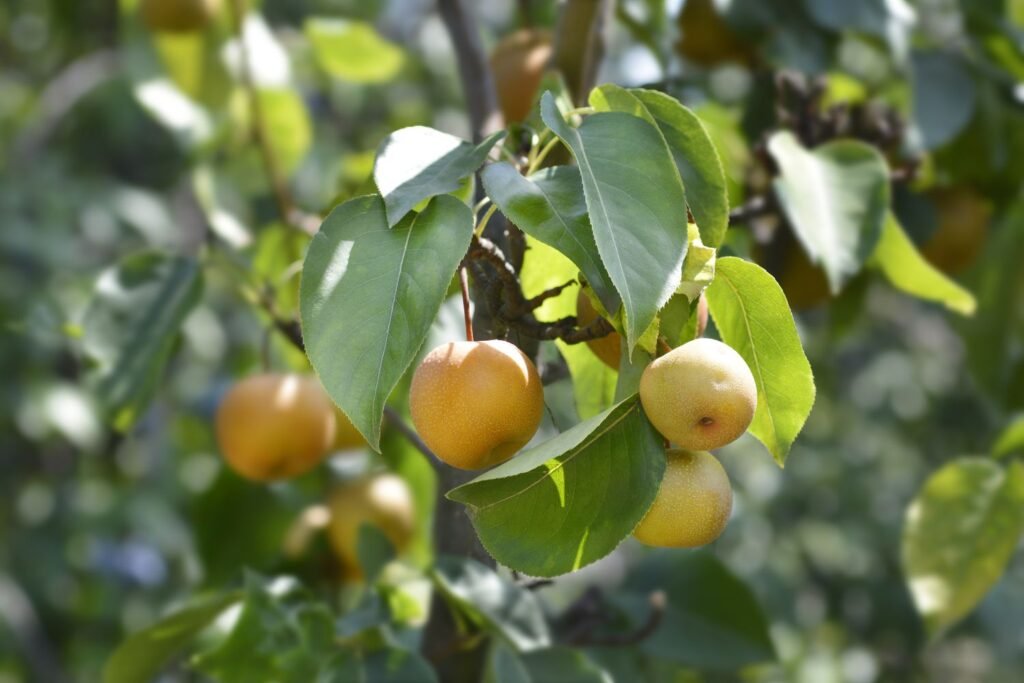
Timing the harvest correctly is crucial for the best flavor and texture. European pears are usually picked before fully ripe and allowed to ripen off the tree, while Asian pears can ripen fully on the tree.
Indicators that pears are ready to harvest include:
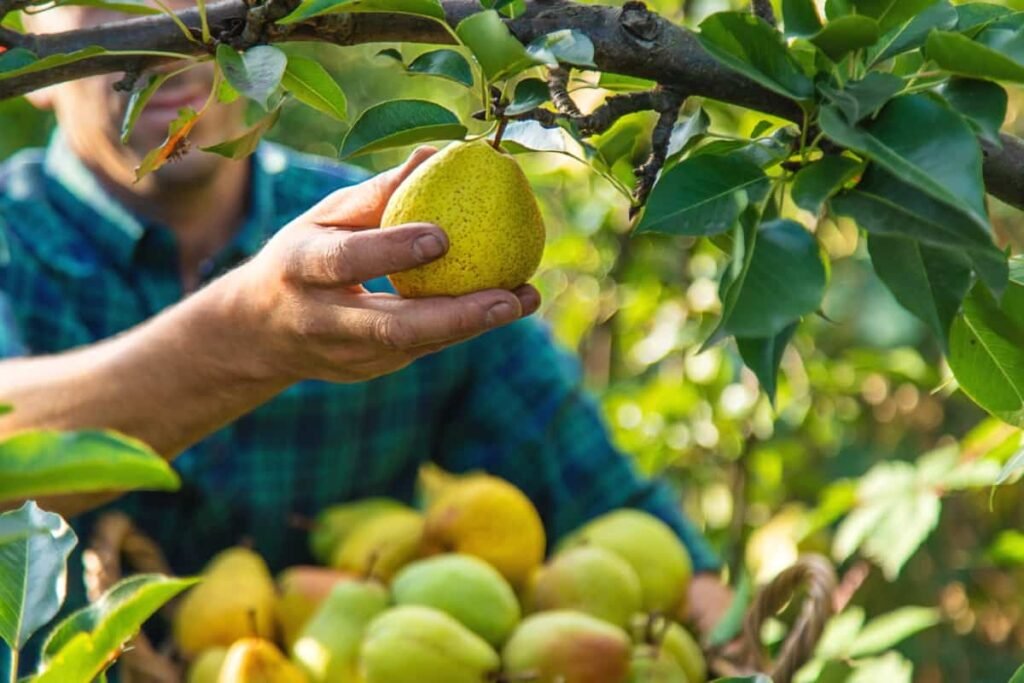
- The skin color changes slightly from green to yellow (for European varieties).
- The fruit yields slightly to gentle pressure near the stem.
- Fruits detach easily when lifted upward.
Harvesting at the right time ensures pears are sweet, juicy, and long-lasting.
9. Storing Pears for Extended Freshness
Pears can be stored for several weeks under the right conditions. Keep them in a cool, dark place or in the refrigerator. European pears will continue to ripen after picking, while Asian pears are best consumed fresh or refrigerated to maintain crispness.
10. Tips for Thriving Pear Trees
- Plant more than one variety for better pollination.
- Maintain consistent watering during dry periods.
- Monitor for signs of pests and diseases regularly.
- Prune annually to keep trees healthy and productive.
- Enjoy your harvest and experiment with fresh eating, cooking, or preserving pears.
Growing pear trees is a satisfying endeavor that rewards patience and care with delicious, homegrown fruits. By choosing the right variety, planting in an ideal location, following proper care techniques, and staying vigilant against pests and diseases, you can cultivate pear trees that thrive for many years. Whether you aim to harvest a few fruits for your family or manage a small orchard, understanding the fundamentals of pear tree growth ensures a fruitful and enjoyable gardening experience.
With dedication and knowledge, your pear trees will flourish, adding beauty and abundance to your garden while offering a taste of nature’s sweetest rewards.