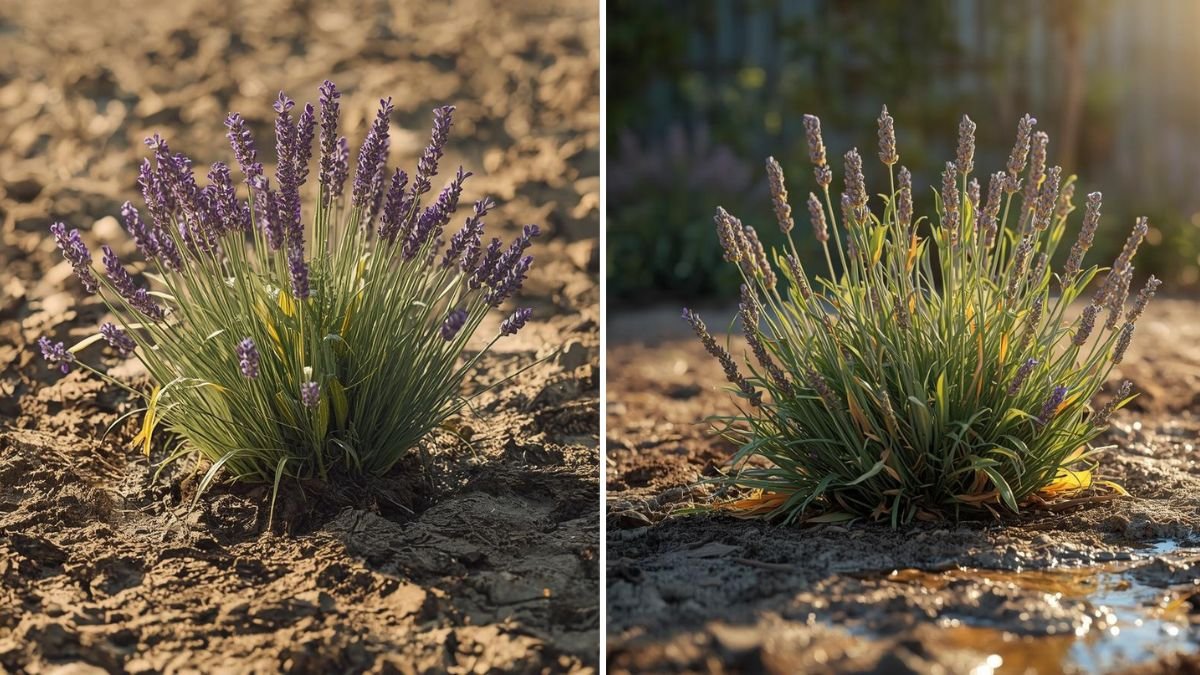
Lavender is loved worldwide for its fragrance, purple blooms, and low-maintenance nature, yet improper watering is the main reason it fails. Many gardeners treat lavender like other flowering plants, watering frequently and generously. This habit weakens roots and reduces flowering. Lavender naturally grows in dry, rocky Mediterranean regions where rainfall is limited. Its roots prefer oxygen-rich soil rather than constant moisture. Understanding how often to water lavender builds stronger roots and longer-lasting blooms. Watering correctly also improves fragrance intensity. This guide explains lavender watering clearly for beginners and experienced gardeners alike.
Paragraph 1: Understanding Lavender’s Natural Growing Conditions
Lavender originates from dry, sunny landscapes with excellent drainage. In its native habitat, rain is infrequent but deep. This environment teaches lavender to develop deep roots. The plant stores moisture efficiently and dislikes soggy soil. Excess water blocks oxygen and leads to root rot. Mimicking natural conditions ensures healthy growth. Dry soil encourages root strength. Nature provides the best care instructions for lavender.
Paragraph 2: How Often Should Lavender Be Watered Generally
Lavender should be watered only when the soil is completely dry. In most climates, this means watering every ten to fourteen days. Young plants may need slightly more frequent watering during establishment. Mature lavender plants prefer infrequent, deep watering. Daily or weekly watering weakens roots. Soil dryness matters more than schedule. Checking the soil prevents mistakes. Less water leads to stronger plants.
Paragraph 3: Watering Lavender During the First Year
Newly planted lavender needs careful attention. Roots are still developing and require moisture to establish. Water young plants once or twice weekly for the first few weeks. Gradually reduce watering as roots grow deeper. Avoid soaking the soil continuously. Well-draining soil is essential during this stage. Proper early watering shapes future plant strength. Establishment determines long-term success.
Paragraph 4: Watering Mature Lavender Plants
Once established, lavender becomes drought tolerant. Mature plants only need watering during extended dry periods. Rainfall often provides sufficient moisture. Overwatering mature lavender reduces bloom production. Roots thrive when soil dries between watering. Mature plants reward neglect with better flowers. Dry conditions increase essential oil concentration. Less water means better fragrance and color.
Paragraph 5: How Soil Type Affects Watering Frequency
Soil type plays a critical role in watering needs. Sandy or gravelly soil drains quickly and dries faster. Clay soil holds water longer and requires less frequent watering. Adding sand or grit improves drainage. Poor soil drainage causes root diseases. Well-draining soil reduces watering frequency. Soil improvement benefits lavender longevity. Proper soil equals healthier plants.
Paragraph 6: Importance of Drainage for Lavender Health
Drainage is more important than watering frequency. Lavender roots rot quickly in standing water. Raised beds improve drainage significantly. Pots must always have drainage holes. Gravel layers help water escape. Drainage ensures oxygen reaches roots. Healthy roots support abundant blooms. Never compromise on drainage quality.
Paragraph 7: Seasonal Watering Adjustments for Lavender
Lavender’s watering needs change with seasons. Spring requires moderate watering during active growth. Summer watering should be minimal once plants are established. Autumn watering decreases as growth slows. Winter watering is rarely needed. Cold, wet soil is dangerous for lavender. Seasonal awareness prevents root damage. Adjusting watering keeps plants thriving year-round.
Paragraph 8: Watering Lavender in Hot Climates
Hot climates increase evaporation but not watering needs. Deep roots allow lavender to withstand heat. Water deeply but infrequently. Avoid shallow watering that encourages surface roots. Mulching with gravel reduces moisture retention. Shade is rarely necessary. Proper spacing improves airflow. Heat tolerance improves with correct watering.
Paragraph 9: Watering Lavender in Humid Regions
Humidity increases the risk of fungal diseases. Lavender grown in humid areas needs extra drainage. Water only in the morning to allow drying. Avoid wetting foliage. Space plants to improve airflow. Raised beds help significantly. Reduced watering prevents disease. Humidity demands caution.
Paragraph 10: Indoor Lavender Watering Frequency
Indoor lavender dries slower than outdoor plants. Water only when soil is completely dry. Bright light is essential indoors. Overwatering indoors is very common. Use clay pots for faster drying. Avoid misting leaves. Indoor lavender needs patience. Less water ensures survival.
Paragraph 11: How to Check If Lavender Needs Water
The finger test is simple and effective. Insert a finger two inches into the soil. If soil feels dry, watering is safe. Moist soil means waiting. Soil appearance also helps判断 dryness. Crumbly soil indicates readiness. Avoid guesswork schedules. Observation ensures accuracy.
Paragraph 12: Table – Lavender Watering Frequency Guide
| Growth Stage | Watering Frequency | Key Focus |
|---|---|---|
| Newly planted | Once or twice weekly | Root establishment |
| Established | Every ten to fourteen days | Strong roots |
| Hot summer | Deep watering when dry | Drought tolerance |
| Winter | Rarely or never | Prevent rot |
Paragraph 13: Table – Common Lavender Watering Mistakes
| Mistake | Problem Caused | Correct Approach |
|---|---|---|
| Frequent watering | Root rot | Water only when dry |
| Poor drainage | Fungal disease | Improve soil |
| Clay soil | Water retention | Add sand or grit |
| Overhead watering | Leaf disease | Water at base |
Paragraph 14: Signs of Overwatered Lavender
Overwatered lavender shows yellowing leaves. Stems may become soft and weak. Growth becomes leggy and sparse. Flowers are fewer and dull. Soil remains constantly wet. Root rot develops underground. Early detection can save plants. Immediate drainage correction is essential.
Paragraph 15: Signs of Underwatered Lavender
Lavender rarely suffers from underwatering. Leaves may curl slightly in extreme drought. Growth slows temporarily. Plants recover quickly after watering. Mild stress improves flowering. Deep roots protect against drought. Underwatering is safer than overwatering. Lavender prefers dryness.
Paragraph 16: Mulching and Its Impact on Watering
Traditional organic mulch retains moisture. Gravel mulch is better for lavender. Gravel reflects heat and improves drainage. Avoid bark or compost mulch. Mulch choice affects watering needs. Proper mulch reduces disease risk. Gravel mulch suits Mediterranean plants. Smart mulching supports health.
Paragraph 17: Water Quality and Lavender Growth
Lavender tolerates most water types. Avoid salty or softened water. Rainwater is ideal. Cold water shocks roots. Room-temperature water is best. Good water quality supports growth. Consistency matters more than perfection. Balanced watering improves resilience.
Paragraph 18: Long-Term Benefits of Correct Watering
Proper watering builds deep root systems. Plants become drought resistant. Flowering improves dramatically. Fragrance intensifies naturally. Disease risk decreases. Lavender lives longer and looks healthier. Correct habits pay long-term rewards. Water wisely for success.
Paragraph 19: Lavender Watering Myths
Many believe lavender needs frequent watering. This myth causes most failures. Another myth is misting improves growth. Lavender dislikes humidity. Learning correct information prevents mistakes. Knowledge improves confidence. Lavender thrives with neglect. Simplicity brings success.
Paragraph 20: Final Thoughts on Watering Lavender
Watering lavender correctly transforms plant health. Dry soil encourages strong roots and blooms. Less water produces better flowers. Drainage matters more than frequency. Seasonal adjustment ensures longevity. Lavender rewards patience and restraint. Follow nature’s design. Enjoy fragrant, thriving plants.