Snake plants, also known as Sansevieria, are popular houseplants known for their hardiness and low maintenance requirements. One of the most common questions among beginners is how often to water them. Overwatering is a frequent mistake that can lead to root rot, while underwatering may cause leaf damage. Understanding the signs of hydration needs is essential for plant health. Snake plants have unique water storage abilities, allowing them to survive dry periods. This guide will help beginners recognize when to water their plants properly. Correct watering ensures strong growth and longevity. Proper care promotes both aesthetic beauty and indoor air purification benefits.
Understanding Snake Plant Physiology
Snake plants store water in thick, fleshy leaves, which allows them to endure drought. Their roots are adapted to absorb water efficiently and store it for long periods. This adaptation is why overwatering can be harmful. The leaves may appear firm and upright when adequately hydrated. Dull or wrinkled leaves indicate water deficiency. Observing leaf texture and color provides valuable cues. Understanding plant physiology helps beginners avoid common mistakes. Recognizing natural adaptations ensures healthier care routines.
Signs Your Snake Plant Needs Water
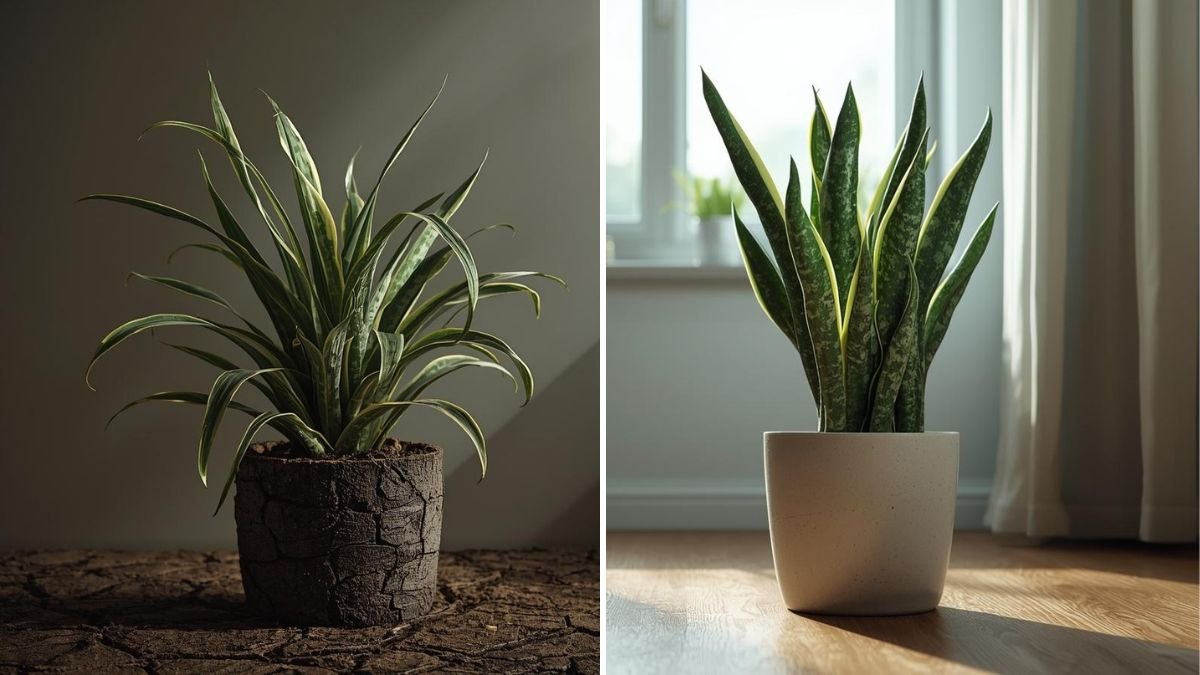
There are clear indicators that a snake plant requires water. Wilting or drooping leaves suggest dehydration. Dry soil that pulls away from the edges of the pot is another sign. Leaf tips turning brown or curling can indicate lack of moisture. Conversely, soft, mushy leaves typically signal overwatering. Paying attention to these signs allows for timely intervention. Observing both soil and leaves ensures accurate assessment. Beginners benefit from monitoring plants closely. Regular observation prevents long-term damage.
Checking Soil Moisture Levels Effectively
Soil moisture can be checked using a simple finger test or a moisture meter. Insert your finger about an inch into the soil; if it feels dry, it’s time to water. Moisture meters provide more precise readings, especially for beginners. Avoid relying solely on a calendar schedule, as environmental factors vary. Well-draining soil helps maintain optimal hydration levels. Adjust watering frequency according to indoor humidity and temperature. Accurate soil monitoring prevents over- or under-watering. This method keeps plants thriving throughout the year.
Choosing the Right Watering Technique
Watering snake plants requires a gentle and controlled approach. Pour water slowly to ensure absorption without causing waterlogging. Water the base of the plant rather than the leaves. Avoid letting water sit in the saucer for long periods. Consistent but moderate watering promotes root health. In dry climates, misting is unnecessary. Adjust the amount of water based on the season. Proper technique reduces stress and encourages robust growth.
Seasonal Watering Adjustments
Snake plants require less water during colder months when growth slows. In summer, plants may need more frequent watering due to higher evaporation. Monitoring soil moisture seasonally ensures appropriate hydration. Avoid sudden changes in watering routines. Adaptation to seasonal needs prevents shock. Beginners should note temperature and sunlight changes. Proper seasonal care supports consistent health. Tailoring watering schedules maintains plant vitality.
Choosing the Right Pot and Soil
Pot selection impacts watering efficiency. Use pots with drainage holes to prevent water accumulation. Well-draining soil, such as a cactus or succulent mix, works best. Avoid dense soils that retain excess moisture. Proper drainage ensures roots do not sit in water. Containers with adequate space promote root growth. Matching pot size with plant size improves hydration management. Soil and pot together influence overall plant health. Correct choices simplify watering practices.
Common Watering Mistakes to Avoid
Beginners often overwater, leading to root rot. Another common mistake is inconsistent watering. Using too heavy or clay soil can trap moisture. Watering leaves instead of the base promotes fungal issues. Relying on a fixed schedule ignores environmental factors. Misinterpreting leaf signs can lead to improper care. Avoiding these mistakes improves survival rates. Awareness of common errors ensures confident beginners’ care.
How Often Should You Water Snake Plants?
Watering frequency varies depending on indoor conditions. Generally, once every 2-6 weeks is sufficient. Always check soil moisture before watering. Plants in low light need less frequent hydration. Pots with better drainage allow slightly more frequent watering. Environmental humidity also affects frequency. Following plant cues is more effective than strict schedules. Consistent observation maintains optimal soil moisture.
Table Snake Plant Watering Guide
Season spring/summer fall/winter Water frequency every 2-3 weeks every 4-6 weeks Soil moisture check dry 1 inch deep dry 1-2 inches deep Pot type drainage holes drainage holes Light exposure bright/indirect low/medium
Signs of Overwatering to Watch For
Overwatering can be fatal for snake plants. Yellowing leaves, mushy stems, and root rot indicate excessive water. Leaves may also show black spots. Soil that remains wet for extended periods exacerbates the problem. Proper drainage and careful watering prevent overwatering. Removing damaged leaves improves recovery. Regular monitoring is essential. Recognizing these signs ensures plant longevity.
Signs of Underwatering to Watch For
Underwatered plants display shriveled or curling leaves. Leaf tips may turn brown and crispy. Soil may appear cracked or pull away from pot edges. Growth may slow or halt temporarily. Gradual watering restores health. Observing subtle changes is key. Maintaining balance prevents stress. Accurate assessment keeps plants healthy.
Water Quality Considerations
Snake plants prefer filtered or room temperature water. Tap water with high chlorine or fluoride can damage leaves. Rainwater is an excellent alternative. Avoid extremely cold water. Water quality affects growth and leaf coloration. Beginners should allow tap water to sit for a few hours. Softened water is generally unsuitable. Attention to water quality promotes long-term health.
Repotting and Its Effect on Watering
Repotting affects how frequently plants need watering. Fresh soil initially holds more moisture. Overwatering newly repotted plants can harm roots. Monitor soil closely after repotting. Adjust watering based on new soil characteristics. Proper timing reduces stress. Repotting improves overall growth. Watering strategy adapts after repotting.
Fertilization and Its Relationship with Watering
Fertilizer impacts water absorption and plant growth. Use diluted fertilizers during active growth. Avoid fertilizing dry soil; water first. Over-fertilization can lead to leaf burn. Fertilizer type affects watering needs. Balanced care promotes nutrient uptake. Adjust fertilization seasonally. Coordinated feeding and watering enhance plant health.
Long-Term Snake Plant Care Tips
Consistent watering observation is critical. Avoid sudden environmental changes. Regular pruning removes dead leaves. Rotate plants for even sunlight exposure. Keep leaves dust-free. Monitor for pests regularly. Adjust watering based on plant size. Long-term care maintains vitality.
Troubleshooting Common Watering Problems
Yellowing leaves, brown tips, and stunted growth indicate watering issues. Adjust water frequency accordingly. Inspect roots for rot or dryness. Modify soil and pot if necessary. Track seasonal changes affecting moisture. Correct watering restores plant health. Seek advice from experts if needed. Troubleshooting ensures recovery.
Conclusion: Confidently Caring for Your Snake Plant
Understanding when and how to water snake plants is essential for beginners. Observing soil moisture and leaf condition ensures proper hydration. Adjusting for seasons, pot, and soil type enhances plant survival. Avoiding common mistakes prevents over- or under-watering. With practice, beginners gain confidence in care routines. Healthy snake plants thrive for years indoors. Knowledge empowers gardeners to maintain lush, attractive foliage. Consistent care promotes a beautiful indoor garden.