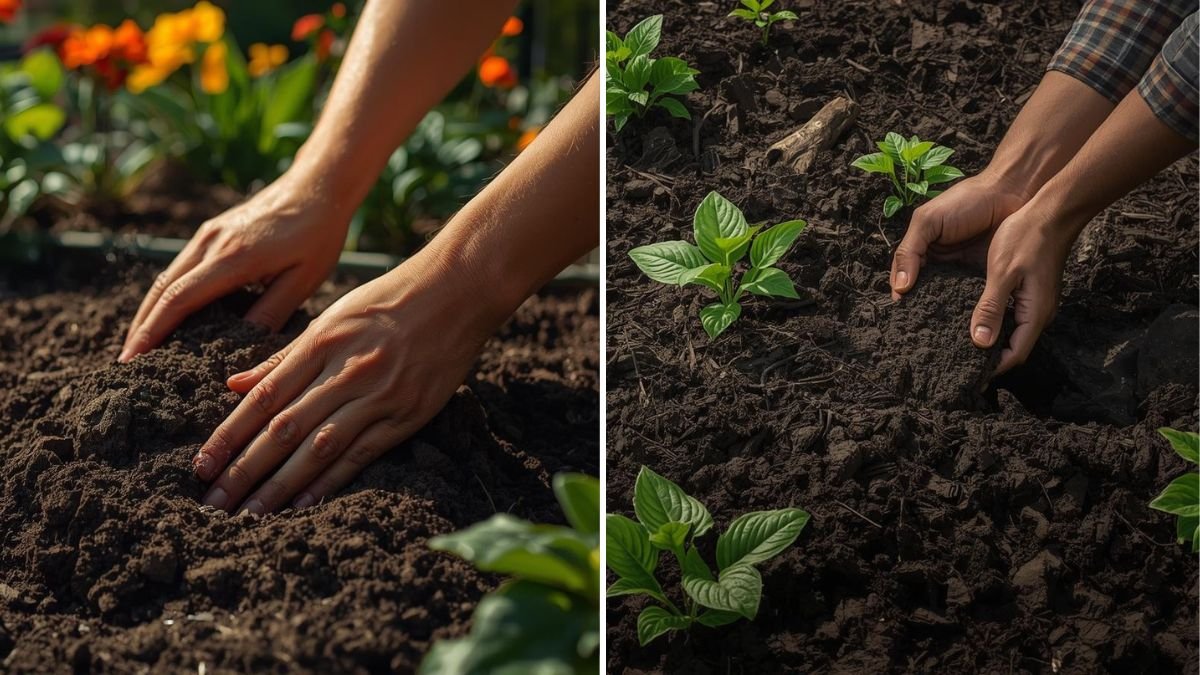
Fertilizing lawns and gardens correctly is essential for healthy growth. Plants require nutrients to thrive and produce strong roots, leaves, and flowers. Improper fertilization can harm plants and soil. Too much fertilizer causes burn and pollution. Too little results in weak growth. Understanding timing and methods ensures success. Balanced nutrition improves plant resistance. Proper fertilization leads to lush lawns and productive gardens.
Understanding Plant Nutrient Needs
Plants require nitrogen, phosphorus, and potassium for growth. Nitrogen promotes leaf development. Phosphorus supports root growth. Potassium improves overall plant health. Micronutrients also play important roles. Nutrient balance matters more than quantity. Soil type affects nutrient availability. Understanding needs prevents waste and damage.
Difference Between Lawn and Garden Fertilization
Lawns focus on leaf growth and density. Gardens require balanced nutrients for roots and fruit. Lawn fertilizers are nitrogen-rich. Garden fertilizers vary by crop type. Timing differs for lawns and gardens. Application methods also differ. Using the right fertilizer matters. Matching fertilizer to purpose ensures results.
Best Time to Fertilize Your Lawn
Timing affects fertilizer effectiveness. Early spring encourages growth. Late spring strengthens turf. Fall fertilization improves root development. Avoid fertilizing during heat stress. Morning application is best. Seasonal timing improves absorption. Proper scheduling keeps lawns healthy.
Best Time to Fertilize Garden Plants
Garden plants have varying fertilizer needs. Apply nutrients during active growth. Avoid fertilizing dormant plants. Seedlings need gentle feeding. Fruiting plants require nutrients before flowering. Root crops need balanced feeding. Timing ensures efficient nutrient use. Proper timing improves yields.
Choosing the Right Type of Fertilizer
Organic fertilizers improve soil health gradually. Synthetic fertilizers provide quick results. Slow-release fertilizers last longer. Liquid fertilizers act fast. Granular fertilizers are easy to apply. Choose based on plant needs. Balance speed and sustainability. Right choice prevents damage.
How to Apply Fertilizer to Lawns Properly
Even application prevents patchy growth. Use a spreader for consistency. Water after application. Avoid windy days. Follow label instructions carefully. Do not overapply. Proper technique prevents lawn burn. Consistency improves lawn appearance.
How to Apply Fertilizer to Garden Beds
Apply fertilizer near root zones. Avoid contact with stems. Mix fertilizer into soil lightly. Water thoroughly after application. Organic compost can be top-dressed. Liquid feeds work well for containers. Proper placement improves absorption. Careful application matters.
Understanding Soil Testing Before Fertilizing
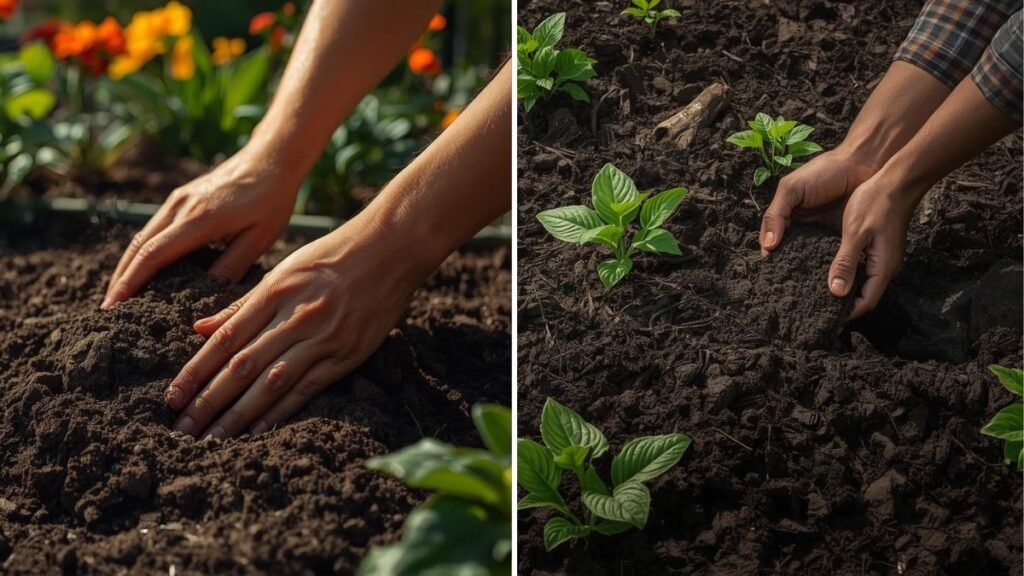
Soil tests reveal nutrient deficiencies. Testing prevents unnecessary fertilization. It helps choose correct fertilizer types. Soil pH affects nutrient uptake. Adjustments improve efficiency. Testing saves money. Informed decisions protect soil health. Testing is highly recommended.
Fertilizing New Lawns and Young Plants
Young plants need gentle nutrition. Avoid heavy fertilization early. Starter fertilizers support root growth. Light feeding prevents stress. Gradual feeding works best. Young roots are sensitive. Proper care encourages establishment. Patience improves results.
Seasonal Fertilization Schedule
Spring supports growth recovery. Summer feeding maintains health. Fall strengthens roots. Winter fertilization is usually unnecessary. Seasonal planning improves efficiency. Follow plant growth cycles. Timing prevents waste. Consistent schedules work best.
Organic vs Chemical Fertilizers
Organic fertilizers improve soil structure. Chemical fertilizers act faster. Organic options support microbes. Chemical options require precision. Choose based on goals. Organic suits long-term health. Chemical suits quick correction. Balance is key.
Common Fertilization Mistakes to Avoid
Over-fertilizing causes burn. Under-fertilizing weakens plants. Applying before rain causes runoff. Ignoring instructions leads to damage. Fertilizing stressed plants harms growth. Skipping watering reduces absorption. Avoiding mistakes ensures success.
Signs Your Lawn or Garden Needs Fertilizer
Yellow leaves indicate nitrogen deficiency. Poor growth signals low nutrients. Weak flowering suggests imbalance. Thin lawns need feeding. Stunted plants indicate soil issues. Recognizing signs helps early correction. Observation improves care. Healthy plants show vibrant color.
Watering After Fertilization
Water activates fertilizer movement. It prevents root burn. Deep watering improves absorption. Avoid flooding soil. Moist soil improves efficiency. Watering completes the process. Proper hydration supports nutrients. This step is essential.
Environmental Impact of Fertilizer Use
Excess fertilizer harms waterways. Responsible use protects ecosystems. Organic options reduce pollution. Proper timing reduces runoff. Sustainable fertilization protects soil. Environmental awareness matters. Gardening responsibly benefits nature. Smart use makes a difference.
Fertilizer Application Comparison Table
| Area | Best Time | Fertilizer Type |
|---|---|---|
| Lawn | Spring and fall | Nitrogen-rich |
| Vegetables | Growing season | Balanced |
| Flowers | Before bloom | Phosphorus-rich |
| Trees | Early spring | Slow-release |
Long-Term Soil Health Through Fertilization
Healthy soil stores nutrients better. Compost improves structure. Mulching supports microbes. Crop rotation balances nutrients. Fertilization supports soil life. Long-term care improves fertility. Soil health ensures productivity. Sustainable practices matter.
Tips for Safe Fertilizer Storage
Store fertilizers in dry areas. Keep away from children. Seal containers tightly. Label clearly. Avoid moisture exposure. Store organic and chemical separately. Safe storage prevents accidents. Organization improves safety.
Conclusion: Feed Smart for Healthy Growth
Proper fertilization ensures strong lawns and gardens. Timing and method matter greatly. Balanced nutrients support long-term health. Overuse causes harm. Responsible feeding improves results. Healthy soil supports vibrant growth. Smart fertilization creates lasting beauty. Feed wisely for best outcomes.