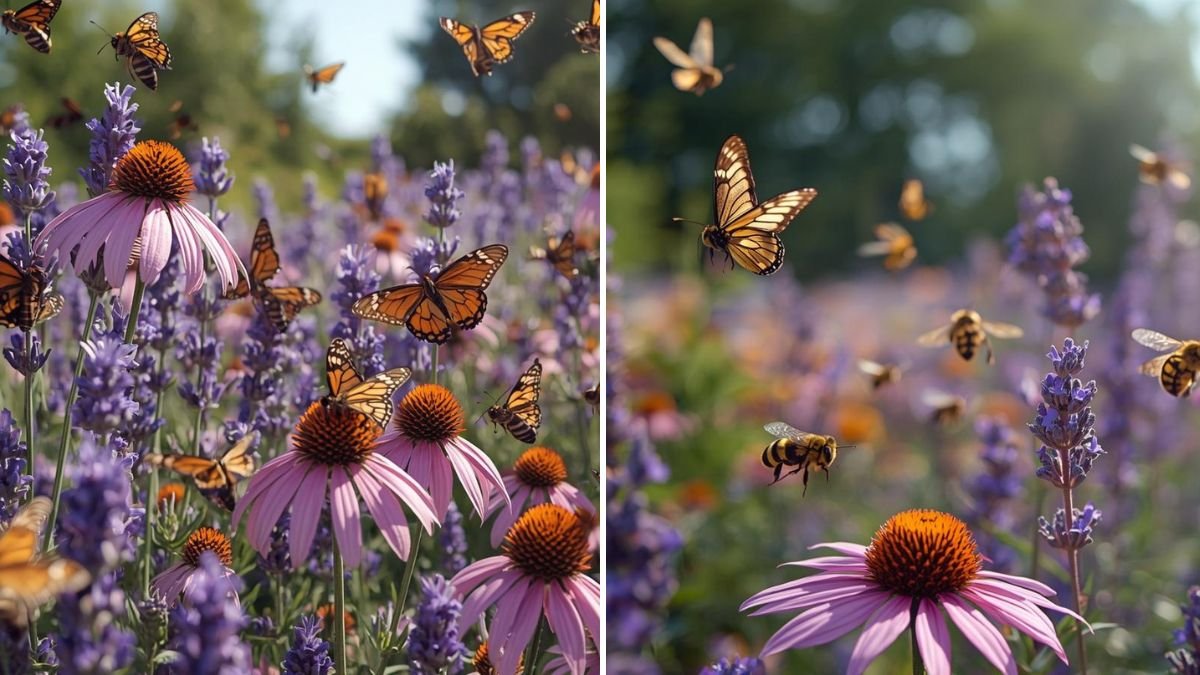
Pollinators play a crucial role in healthy ecosystems. Bees, butterflies, and other insects help plants reproduce. Gardens that attract pollinators are more productive. Pollinator-friendly flowers provide nectar and pollen. Experts encourage gardeners to plant diverse blooms. These flowers support declining pollinator populations. Pollinator gardens enhance biodiversity. Attracting pollinators benefits both gardens and nature.
Why Pollinators Are Essential
Pollinators enable fruit and seed production. Many crops depend on them. Without pollinators, yields decline. They maintain ecological balance. Pollinators support food chains. Healthy gardens attract more wildlife. Pollinators improve plant health. Their role is irreplaceable.
How Flowers Attract Pollinators
Flowers produce nectar and pollen. Bright colors attract insects. Fragrance guides pollinators. Flower shape matters. Native plants attract local species. Continuous blooms ensure food supply. Diversity supports multiple pollinators. Plant selection is key.
Flower 1: Lavender for Bees and Butterflies
Lavender is highly attractive to bees. Its scent is strong and pleasant. Lavender blooms for long periods. It thrives in sunny areas. Lavender requires minimal care. Its purple flowers stand out. Pollinators flock to it. Lavender is a top expert recommendation.
Flower 2: Coneflowers for Long-Term Pollination
Coneflowers provide abundant nectar. They bloom over extended periods. Butterflies love coneflowers. Birds feed on their seeds. Coneflowers are drought-tolerant. They grow well in many climates. Their structure supports pollinators. They are garden staples.
Flower 3: Bee Balm for High Pollinator Activity
Bee balm attracts bees and hummingbirds. Its bright blooms are rich in nectar. Bee balm spreads easily. It thrives in sunny gardens. Its fragrance adds charm. Pollinators visit frequently. Bee balm increases garden activity. It is highly effective.
Flower 4: Sunflowers for Multiple Pollinators
Sunflowers attract bees and butterflies. Large blooms offer abundant pollen. They grow quickly. Sunflowers add height. Birds benefit later from seeds. They thrive in full sun. Sunflowers support many species. They are multifunctional plants.
Flower 5: Cosmos for Easy Pollinator Access
Cosmos have open flowers. Pollinators access nectar easily. They bloom continuously. Cosmos thrive in poor soil. Butterflies love them. They self-seed readily. Cosmos are low maintenance. They are excellent pollinator plants.
Choosing the Right Location
Sunny areas attract pollinators. Shelter from strong winds helps. Group flowers together. Avoid isolated planting. Pollinators prefer clusters. Containers can work well. Location affects success. Strategic placement increases visits.
Bloom Timing for Pollinator Support
Continuous blooms are essential. Plant early and late bloomers. Seasonal variety prevents food gaps. Succession planting helps. Perennials provide stability. Annuals add flexibility. Timing matters greatly. Planning supports pollinators year-round.
Avoiding Chemicals in Pollinator Gardens
Pesticides harm pollinators. Chemical-free gardening is essential. Use organic methods. Encourage beneficial insects. Healthy soil reduces pests. Natural balance works best. Pollinators thrive in safe environments. Avoid harmful sprays.
Water Sources for Pollinators
Pollinators need water. Shallow dishes work well. Pebbles provide landing spots. Clean water regularly. Place near flowers. Water supports survival. Small sources make big impact. Simple solutions help.
Native Plants and Pollinators
Native plants attract native pollinators. They are well-adapted. Require less maintenance. Provide familiar food. Increase survival rates. Experts recommend natives. Local ecosystems benefit. Native gardens thrive.
Designing a Pollinator-Friendly Garden
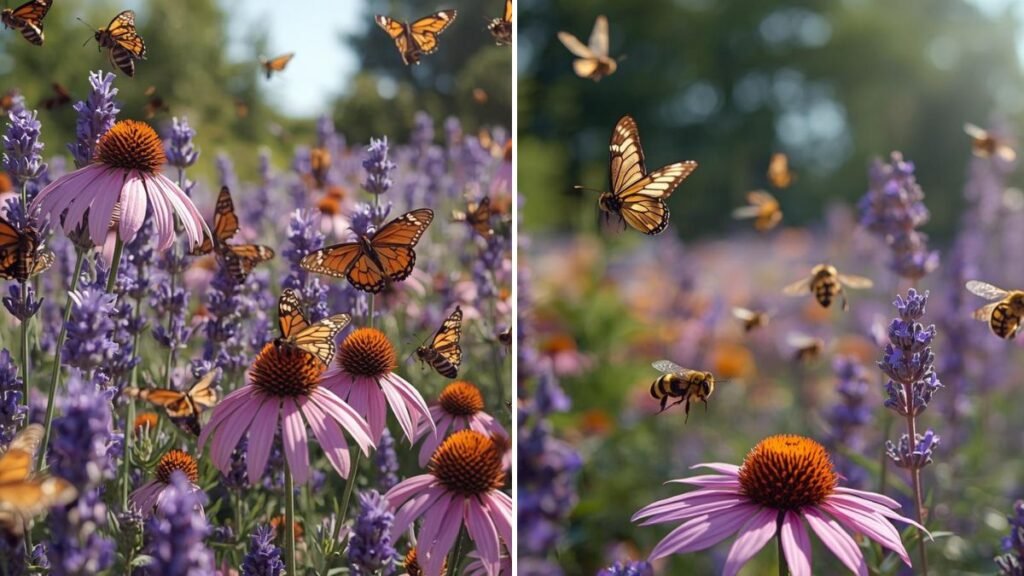
Mix flower shapes and colors. Use layered planting. Combine heights. Group similar plants. Create natural flow. Avoid monocultures. Diversity attracts more species. Design enhances effectiveness.
Seasonal Care for Pollinator Flowers
Deadhead to extend blooms. Water during dry periods. Avoid excessive pruning. Leave seed heads in fall. Provide winter habitat. Care supports pollinators. Maintenance is minimal. Natural cycles matter.
Benefits of Attracting Pollinators
Improved crop yields. Healthier gardens. Increased biodiversity. Beautiful wildlife activity. Environmental contribution. Educational value. Emotional satisfaction. Long-term sustainability.
Common Mistakes to Avoid
Planting only one species. Using pesticides. Lack of blooms. Poor placement. Over-manicuring gardens. Ignoring native plants. Avoiding mistakes improves success. Simple fixes help.
Table: Best Flowers for Attracting Pollinators
| Flower | Main Pollinators |
|---|---|
| Lavender | Bees, butterflies |
| Coneflower | Butterflies, bees |
| Bee balm | Bees, hummingbirds |
| Sunflower | Bees, birds |
| Cosmos | Butterflies, bees |
Final Thoughts on Pollinator-Friendly Flowers
Pollinator-friendly flowers support nature. They enhance garden productivity. Expert-recommended plants work best. Simple changes make big impact. Gardens become lively ecosystems. Pollinators benefit greatly. Gardening becomes purposeful. Flowers and pollinators thrive together.