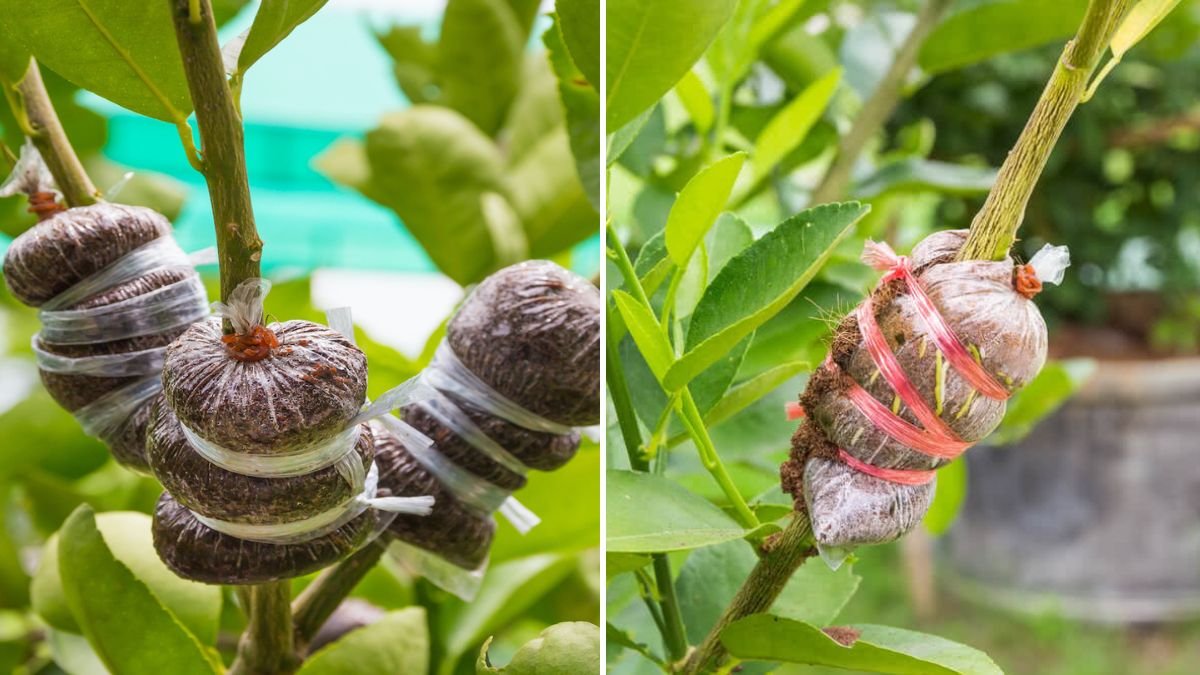
Air layering is a simple plant propagation method. It allows gardeners to create new plants from existing trees. This technique produces true-to-type plants. Air layering works well for fruit trees. It requires minimal tools. The process encourages root formation on branches. Once rooted, branches are separated. Air layering ensures faster fruiting. It is popular among home gardeners. Understanding basics ensures success.
What Is Air Layering
Air layering involves rooting a branch while attached to the parent plant. A small section of bark is removed. Moist material encourages roots. The branch continues receiving nutrients. Roots develop over time. Once rooted, the branch is cut. This creates a new plant. Air layering avoids seed variability. It produces identical plants. This method is reliable.
Why Choose Air Layering
Air layering has high success rates. Plants fruit earlier. It preserves parent traits. No special equipment is required. Suitable for woody plants. Faster than seed growing. Ideal for fruit trees. Beginners find it easy. Less risk compared to cuttings. Air layering ensures strong plants.
Fruit Trees Suitable for Air Layering
Many fruit trees respond well. Guava is commonly layered. Lemon and citrus trees perform well. Mango can be layered successfully. Fig and pomegranate adapt easily. Sapota responds well. Choose healthy trees. Mature branches work best. Selection affects success. Right tree choice matters.
Best Time for Air Layering
Timing affects success rate. Spring and early summer are ideal. Active growth supports rooting. Avoid extreme heat or cold. Humid weather helps. Rainy season improves moisture retention. Seasonal timing matters. Proper timing speeds root formation. Observe plant growth cycles. Timing ensures better results.
Selecting the Right Branch
Choose healthy, disease-free branches. Pencil-thick branches work best. Avoid very old wood. Branch should receive sunlight. Straight branches are easier. Healthy bark indicates good sap flow. Proper branch selection improves rooting. Weak branches fail easily. Choose carefully for success.
Preparing the Branch
Remove leaves near the area. Make a clean cut. Remove bark ring carefully. Avoid damaging inner wood. Clean the area gently. Proper preparation encourages roots. Correct technique prevents infection. Precision improves success. Careful handling is essential.
Rooting Medium for Air Layering
Moist sphagnum moss works best. Coco peat is also effective. Soil can be used carefully. Medium should hold moisture. Avoid waterlogging. Sterile material prevents disease. Moist medium encourages root growth. Proper medium selection matters. Balanced moisture is key.
Wrapping the Layered Area
Wrap moss around cut area. Cover with plastic sheet. Secure ends tightly. Prevent moisture loss. Ensure air does not enter. Transparent plastic allows observation. Firm wrapping supports roots. Proper sealing is important. Secure wrapping improves results.
Maintaining Moisture
Check moisture regularly. Moss should remain damp. Add water if dry. Avoid excessive moisture. Consistent moisture promotes rooting. Dryness delays root formation. Balanced care is essential. Regular monitoring ensures success. Moisture control is crucial.
Root Formation Process
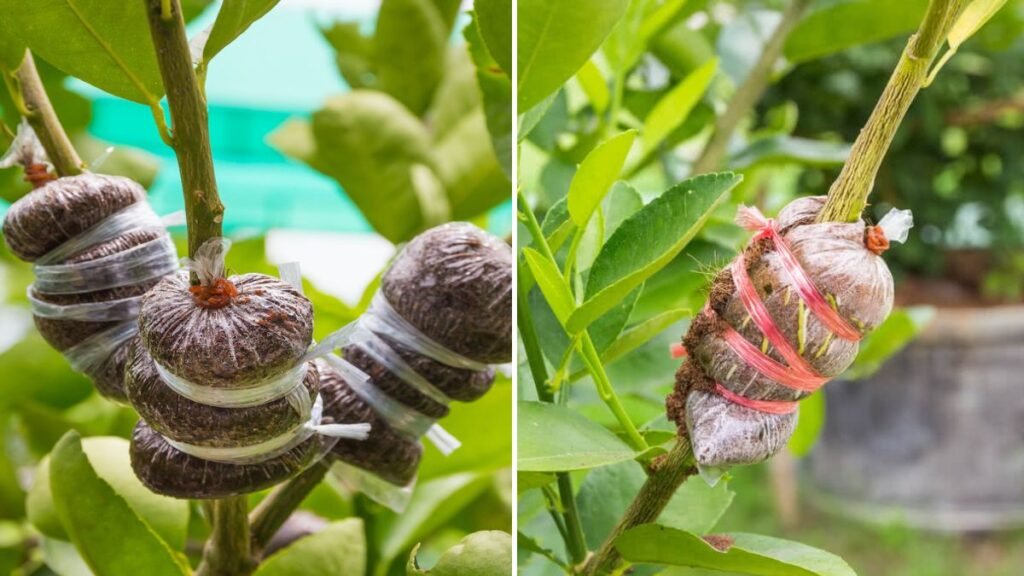
Roots begin forming in weeks. Time varies by plant. Healthy branches root faster. White roots indicate success. Avoid disturbing wrapping. Patience is required. Environmental conditions affect speed. Proper care accelerates rooting. Observation guides timing.
When to Cut the Layered Branch
Cut after sufficient roots form. Roots should be well developed. Use clean tools. Cut below root ball. Handle gently. Cutting too early causes failure. Proper timing ensures survival. Sharp tools prevent damage. Clean cuts matter.
Planting the New Plant
Plant in prepared soil. Choose appropriate pot. Water immediately after planting. Keep in shade initially. Gradual sunlight exposure helps. Avoid stress after separation. Good soil supports establishment. Careful planting ensures survival. Transition phase is important.
Aftercare of Air-Layered Plants
Provide regular watering. Avoid direct sun initially. Monitor plant health. New roots need protection. Gradual acclimatization is essential. Avoid heavy fertilization early. Healthy care ensures establishment. Support young plants. Proper aftercare improves success.
Advantages Over Other Propagation Methods
Air layering produces mature plants faster. Higher success rate than cuttings. Maintains parent traits. Less technical skill needed. Suitable for woody plants. Faster fruiting occurs. Minimal equipment required. Reliable method for gardeners. Efficient propagation technique.
Common Mistakes in Air Layering
Incorrect branch selection fails. Dry moss prevents rooting. Loose wrapping dries out. Cutting too early causes death. Poor timing reduces success. Using unhealthy plants fails. Learning mistakes improves results. Observation helps correction. Simple care avoids problems.
Air Layering in Pots vs Ground
Both methods work well. Potted plants are easier to manage. Ground plants root faster. Moisture control differs. Space availability matters. Choose based on situation. Both give good results. Proper care ensures success. Flexibility is possible.
Success Rate and Expectations
Air layering has high success rates. Proper care improves outcomes. Not all attempts succeed. Experience improves skill. Expect roots in weeks. Healthy plants respond well. Success builds confidence. Practice improves results. Patience is rewarded.
Table: Air Layering Guide
| Step | Key Action | Purpose |
|---|---|---|
| Branch selection | Healthy and mature | Strong rooting |
| Bark removal | Clean ring cut | Root initiation |
| Rooting medium | Moist moss | Root growth |
| Wrapping | Tight sealing | Moisture retention |
| Separation | After root formation | Plant survival |
Final Thoughts on Air Layering
Air layering is an effective propagation method. It suits home gardeners well. Fruit trees multiply easily. Success rates are high. Minimal tools are needed. Faster fruiting is a major benefit. Learning this technique adds value. Gardeners gain confidence. Air layering supports self-reliance. Anyone can master it with practice.