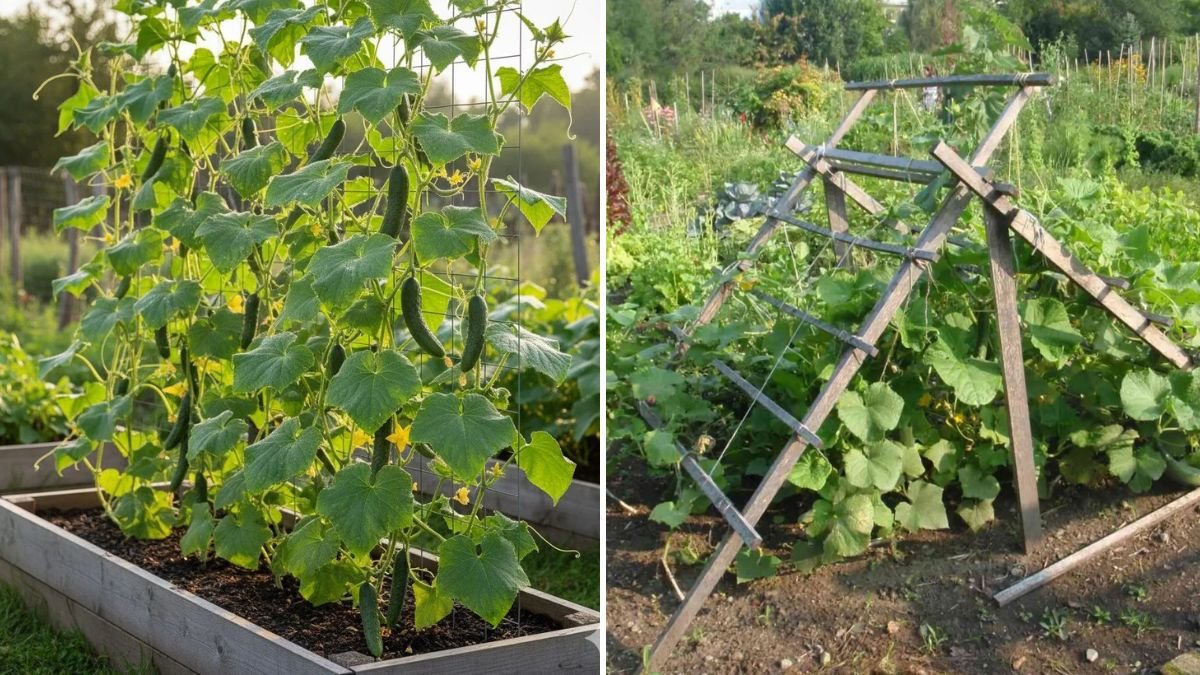
Garden structures play a vital role in supporting healthy plant growth. Many vegetables and flowering plants need physical support. A proper structure helps plants grow upward instead of spreading on the ground. Vertical growth improves airflow and sunlight exposure. This reduces disease and pest problems naturally. Garden structures also save space efficiently. They make gardens look organized and attractive. Building your own structure is cost-effective and customizable.
What Is a Garden Growing Structure
A garden growing structure is a framework that supports plants. It can be trellises, arches, frames, or cages. These structures guide plant growth direction. Climbing plants rely on them for stability. Without support, plants may break or rot. Structures protect stems and fruits. They improve plant health significantly. Every garden benefits from strong support systems.
Benefits of Using Garden Structures
Garden structures increase yield by keeping plants upright. Fruits stay clean and pest-free. Plants receive better sunlight exposure. Improved airflow reduces fungal diseases. Structures allow easy harvesting. They maximize small garden spaces. Gardens become visually appealing. Strong structures extend plant lifespan.
Plants That Need Growing Structures
Climbing vegetables require sturdy support. Tomatoes grow better with cages. Cucumbers need trellises for straight growth. Beans climb naturally on frames. Peas thrive with netting. Gourds need strong vertical systems. Flowering vines also benefit. Choosing the right plant ensures proper structure design.
Choosing the Right Location
Location affects structure stability and plant health. Select a sunny area in the garden. Ensure good air circulation. Avoid waterlogged soil. Ground should be firm for anchoring. Easy access helps maintenance. Structures should not block other plants. Proper placement ensures long-term success.
Types of Garden Structures
There are many structure types available. Trellises support vines effectively. Arches create decorative pathways. A-frames are simple and sturdy. Cages work best for tomatoes. Pergolas support heavy climbers. Netting works for lightweight plants. Choosing depends on plant needs.
Materials Needed for Garden Structures
Common materials include bamboo and wood. Metal rods provide durability. PVC pipes are lightweight and affordable. Jute or garden twine helps climbing. Screws and nails ensure stability. Wire mesh supports heavy plants. Recycled materials reduce cost. Choose weather-resistant materials.
Step-by-Step Guide to Building a Simple Structure
Start by measuring the garden area. Cut materials to required size. Fix vertical poles firmly into soil. Connect horizontal supports securely. Ensure structure stands straight. Tie joints tightly for strength. Test stability by gentle shaking. A strong base ensures durability.
Building a Bamboo Garden Structure
Bamboo is eco-friendly and strong. Cut bamboo poles evenly. Insert poles deep into the soil. Tie joints using natural twine. Cross supports improve strength. Bamboo resists moisture naturally. Lightweight design allows easy movement. Bamboo structures last multiple seasons.
Using Recycled Materials Creatively
Old ladders make great supports. Wooden pallets can form frames. Wire fencing works for climbers. Broken furniture parts can be reused. Plastic pipes offer flexibility. Recycling saves money and environment. Creativity adds uniqueness to gardens. Upcycling reduces waste.
Supporting Heavy Plants Safely
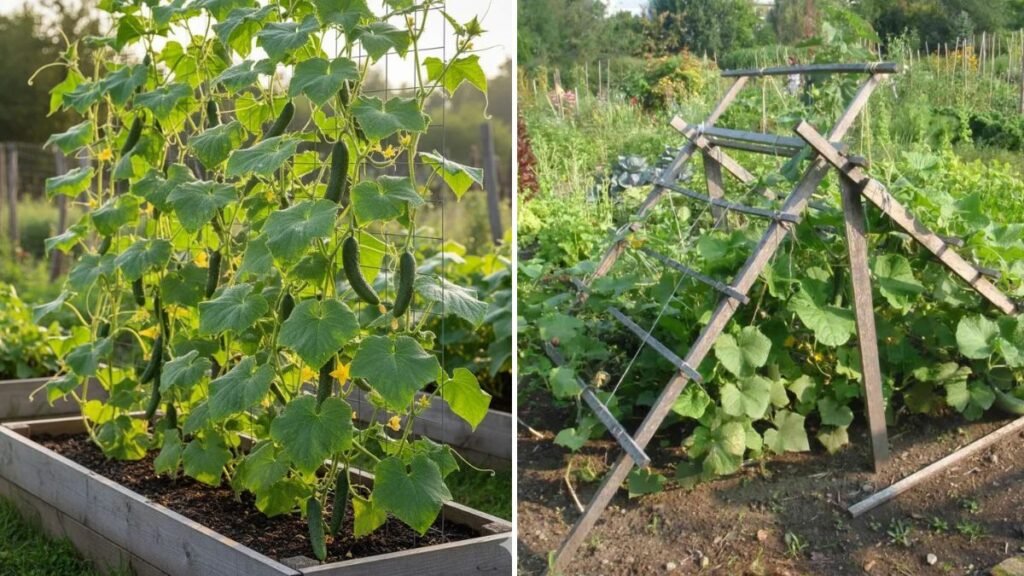
Heavy plants need strong anchoring. Use thicker poles or metal rods. Add cross braces for support. Secure joints tightly. Avoid weak materials. Support fruits with slings if needed. Regular checks prevent collapse. Safety ensures healthy plant growth.
Training Plants on Structures
Guide young plants gently. Tie stems loosely with soft twine. Avoid tight knots that damage stems. Train plants early for direction. Regular adjustment improves coverage. Natural climbing reduces effort. Healthy training improves yield. Gentle handling is essential.
Maintaining Garden Structures
Inspect structures regularly for damage. Tighten loose joints. Replace broken ties immediately. Clean debris from frames. Treat wooden structures against pests. Rust-proof metal supports. Maintenance extends structure lifespan. Well-maintained structures support better growth.
Seasonal Use of Garden Structures
Some structures are seasonal. Lightweight frames suit summer crops. Strong frames handle monsoon winds. Remove temporary structures after harvest. Store reusable materials safely. Adjust designs for crop rotation. Seasonal planning improves efficiency. Flexible structures offer convenience.
Common Mistakes to Avoid
Weak anchoring causes collapse. Using wrong materials reduces lifespan. Overcrowding plants stresses structures. Ignoring maintenance leads to damage. Incorrect height limits growth. Tight ties injure stems. Learning mistakes improves results. Proper planning prevents failures.
Cost-Effective Structure Building
Homemade structures reduce expenses. Use locally available materials. Avoid expensive ready-made options. Simple designs work effectively. Focus on function over looks. Reuse materials creatively. Budget gardening is achievable. Smart choices save money.
Improving Yield with Vertical Gardening
Vertical growth increases sunlight exposure. Fruits grow straighter and cleaner. Pest attacks reduce significantly. Plants use space efficiently. Harvesting becomes easier. Airflow prevents disease. Vertical systems boost productivity. Structures make this possible.
Garden Structure Comparison Table
| Structure Type | Best For | Main Benefit |
|---|---|---|
| Trellis | Vines | Vertical growth |
| Cage | Tomatoes | Fruit support |
| Arch | Climbers | Decorative support |
| A-Frame | Beans | Stability |
| Netting | Peas | Lightweight climbing |
Conclusion
Garden growing structures are essential for healthy plants. They improve yield and garden organization. DIY structures save money and space. Proper planning ensures durability. Supporting plants improves growth naturally. Vertical gardening maximizes productivity. Anyone can build simple structures. Start building your garden structure today.