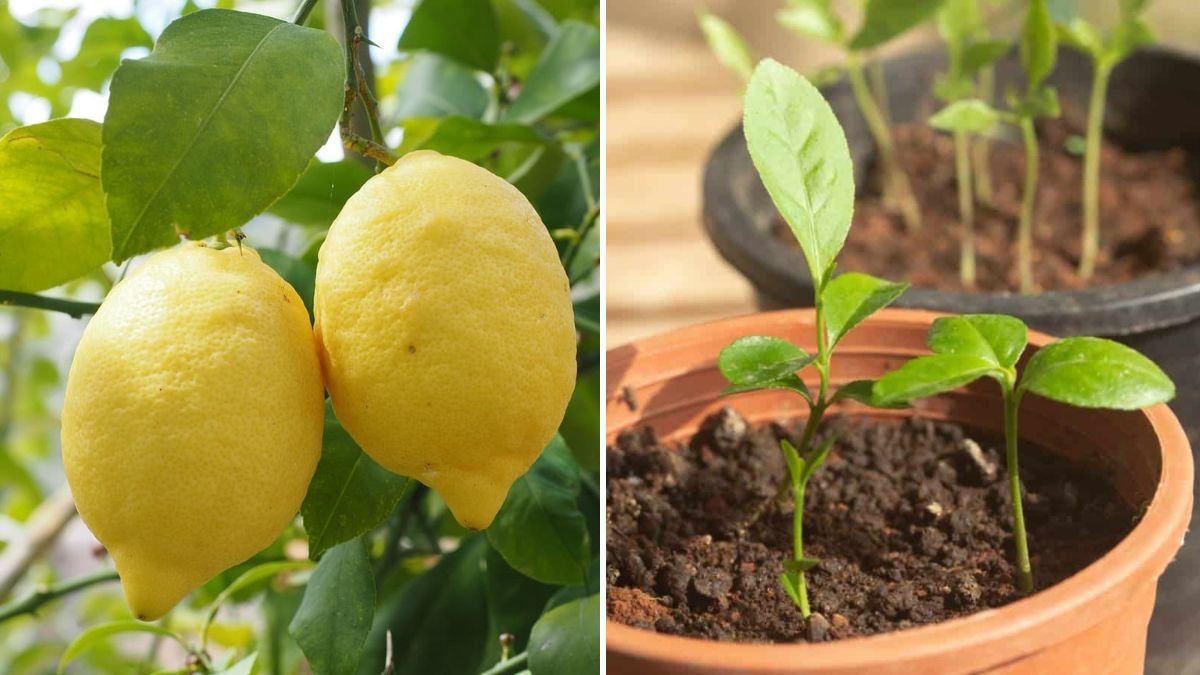
Lemon trees can be grown easily from cuttings at home. This method produces fruit faster than seeds. Cuttings ensure the new plant matches the parent tree. Gardeners prefer this technique for reliability. It requires minimal tools and effort. Lemon cuttings root well under warm conditions. Home propagation saves money and time. Understanding the correct method improves success.
Why Grow Lemon Trees from Cuttings
Growing lemons from cuttings gives predictable results. Fruit quality remains consistent. Plants mature faster than seed-grown trees. Cuttings avoid long juvenile stages. Disease resistance remains intact. Gardeners gain confidence with this method. It is ideal for home gardens. Faster harvests make it rewarding.
Best Time to Take Lemon Cuttings
Spring is the ideal season for cuttings. Warm temperatures support rooting. Early summer also works well. Avoid extreme heat or cold. Healthy growth phase improves success. Morning hours are best for cutting. Seasonal timing affects root formation. Proper timing ensures strong plants.
Choosing the Right Lemon Tree
Select a healthy and mature lemon tree. Avoid trees with disease or pests. Strong parent plants produce better cuttings. Choose branches with new growth. Avoid flowering branches. Healthy trees pass strength to cuttings. Good selection improves rooting success. Parent quality matters greatly.
Selecting the Perfect Cutting
Choose semi-hardwood branches. Cuttings should be six to eight inches long. Branches must be green and flexible. Avoid very soft or woody stems. Healthy leaves indicate vitality. Strong stems root more easily. Proper cutting selection ensures survival. This step is crucial.
Tools and Materials Needed
Sharp pruning shears are essential. Clean tools prevent infections. A small pot or container is needed. Use well-draining potting mix. Rooting hormone improves success. Plastic cover maintains humidity. Water spray keeps moisture balanced. Preparation simplifies the process.
How to Take Lemon Tree Cuttings
Cut below a leaf node cleanly. Remove lower leaves carefully. Leave two or three leaves at the top. Make a slanted cut for better absorption. Dip the base in rooting hormone. Gentle handling prevents damage. Clean cuts heal faster. Precision improves results.
Preparing the Potting Mix
Use light and airy soil. Combine sand, compost, and coco peat. Avoid heavy garden soil. Good drainage prevents rot. Moist but not wet soil works best. Soil quality affects root growth. Balanced mix supports development. Preparation ensures success.
Planting the Lemon Cutting
Insert the cutting two inches deep. Firm soil gently around the stem. Ensure upright positioning. Water lightly after planting. Do not overwater. Roots need oxygen too. Proper planting prevents stress. Stability helps rooting.
Creating the Right Environment
Warmth is essential for rooting. Place pots in indirect sunlight. Maintain humidity using plastic cover. Avoid direct sun exposure. Good airflow prevents fungus. Indoor locations work well. Stable environment supports growth. Consistency is key.
Watering Lemon Cuttings Properly
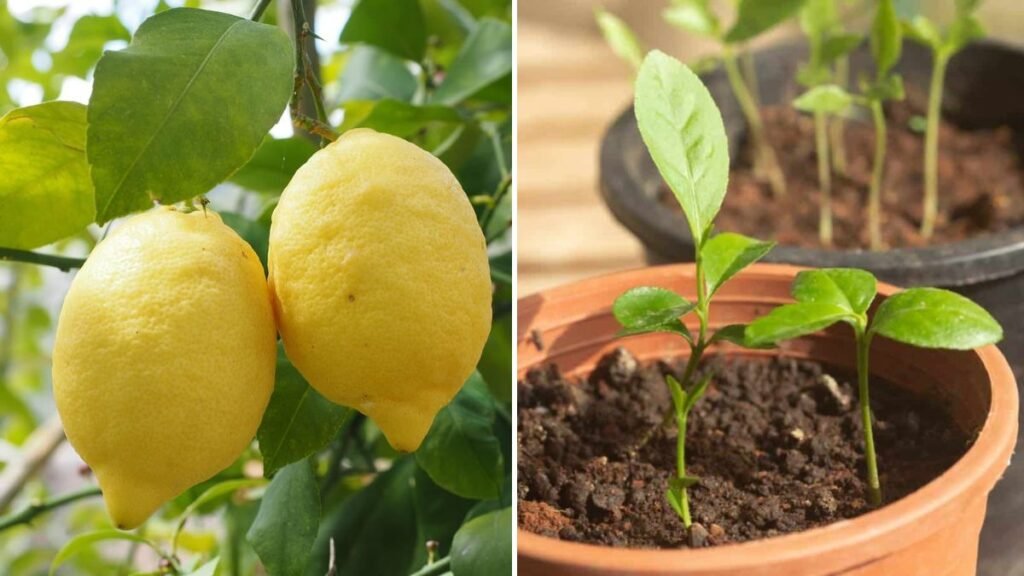
Keep soil slightly moist. Avoid soggy conditions. Mist leaves occasionally. Overwatering causes rot. Underwatering slows rooting. Balance is important. Check soil regularly. Proper watering encourages roots.
Root Development Timeline
Roots form in four to six weeks. New leaf growth signals success. Do not disturb early. Gentle tug indicates rooting. Patience is required. Environmental stability helps rooting. Healthy roots appear white. Time varies with conditions.
Transplanting Rooted Cuttings
Transplant once roots are strong. Use a larger pot initially. Handle roots gently. Avoid damaging new growth. Water after transplanting. Gradual sunlight exposure is important. Proper transplanting ensures survival. Timing matters.
Hardening Off the Young Plant
Expose plant gradually to sunlight. Increase outdoor exposure slowly. Avoid sudden temperature changes. Hardening strengthens the plant. Leaves adapt better. This step prevents shock. Slow adjustment improves growth. Patience pays off.
Caring for Young Lemon Trees
Water regularly but lightly. Use organic fertilizers. Protect from pests. Prune lightly if needed. Maintain soil health. Proper care encourages fast growth. Young plants need attention. Healthy habits build strong trees.
Common Mistakes to Avoid
Using diseased cuttings causes failure. Overwatering leads to rot. Skipping humidity slows rooting. Using heavy soil suffocates roots. Direct sunlight burns leaves. Poor hygiene spreads disease. Avoid shortcuts. Knowledge prevents mistakes.
Benefits of Growing Lemon Trees at Home
Fresh lemons are always available. Homegrown fruit tastes better. No chemical sprays are needed. Gardening reduces stress. Trees improve air quality. Lemon plants look attractive. Cost savings are significant. Home gardening is rewarding.
Lemon Cutting Success Table
| Step | Requirement | Benefit |
|---|---|---|
| Cutting length | Six to eight inches | Strong rooting |
| Soil type | Light and draining | Prevents rot |
| Humidity | High moisture | Faster roots |
| Light | Indirect sunlight | Healthy growth |
| Timing | Spring season | Best success |
Conclusion
Making lemon tree cuttings is simple and effective. Proper steps ensure high success. Healthy cuttings grow quickly. Home gardeners benefit greatly. With patience, results are excellent. Lemon trees reward consistent care. Anyone can propagate lemons. Start your lemon cuttings today.