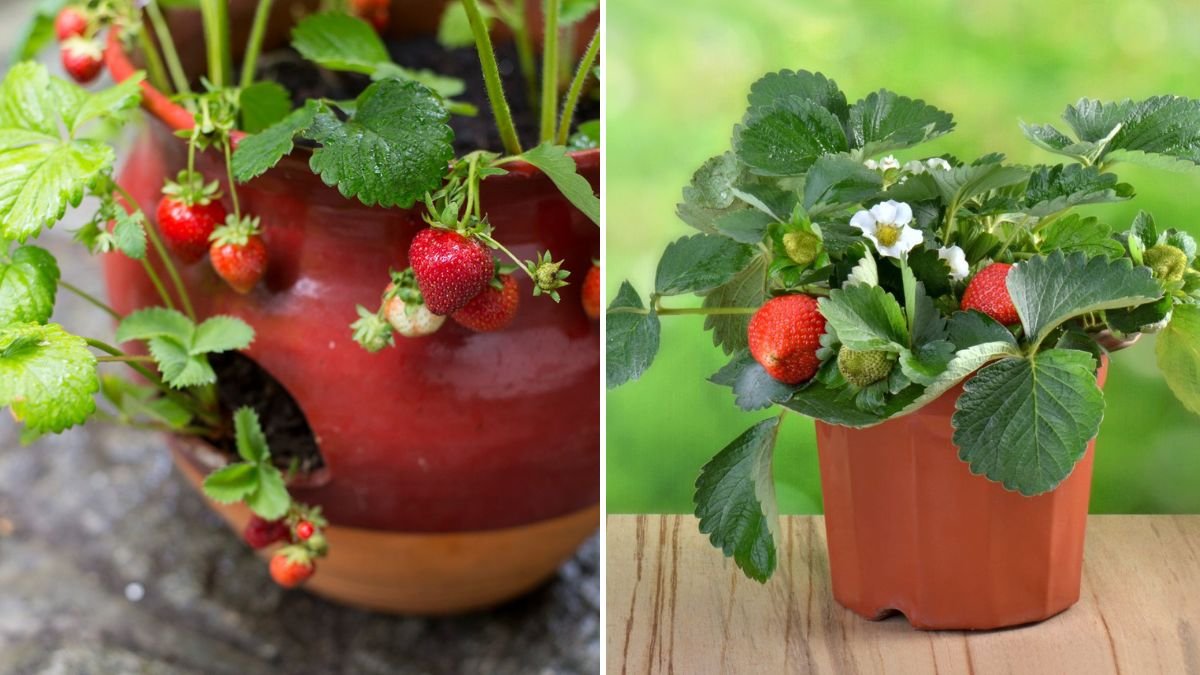
Strawberries are popular homegrown fruits. They are sweet, nutritious, and easy to grow. Homegrown strawberries taste better than store-bought ones. They grow well in pots, hanging baskets, or garden beds. Strawberries adapt to small spaces. With proper care, plants produce for several seasons. Fresh strawberries are rich in vitamins. Gardening brings joy and health benefits.
Choosing the Right Strawberry Variety
Select varieties suitable for your climate. June-bearing produces large seasonal harvests. Ever-bearing yields multiple smaller harvests. Day-neutral varieties fruit continuously. Choose disease-resistant plants. Compact types suit containers. Local nursery varieties perform best. Right choice ensures success.
Ideal Climate and Growing Conditions
Strawberries prefer mild temperatures. Ideal range is fifteen to twenty-five degrees Celsius. Excess heat stresses plants. Frost protection is important. Good air circulation prevents disease. Consistent conditions improve flowering. Moderate humidity is ideal. Stable climate improves yield.
Selecting the Perfect Location
Choose sunny areas for planting. Strawberries need six hours of sunlight. Avoid low-lying damp areas. Raised beds improve drainage. Balconies with sunlight work well. Indoor growing needs grow lights. Proper placement enhances sweetness. Sun exposure improves fruit quality.
Preparing Soil for Strawberries
Soil should be light and fertile. Mix compost with garden soil. Ensure good drainage. Soil pH should be slightly acidic. Remove weeds thoroughly. Add organic matter before planting. Healthy soil supports runners. Preparation improves longevity.
Planting Strawberry Plants
Plant crowns at correct depth. Avoid burying the crown too deep. Space plants adequately. Water immediately after planting. Mulch around plants gently. Proper spacing improves airflow. Avoid overcrowding. Correct planting ensures survival.
Watering Strawberry Plants
Strawberries need consistent moisture. Water deeply but avoid waterlogging. Drip irrigation works best. Morning watering reduces disease. Avoid wetting fruits directly. Mulching retains moisture. Monitor soil regularly. Proper hydration improves fruit size.
Fertilizing Strawberries
Use organic fertilizer lightly. Nitrogen promotes leaf growth early. Phosphorus supports flowering. Potassium improves fruit sweetness. Fertilize every three to four weeks. Avoid overfeeding. Compost tea works well. Balanced nutrients improve yield.
Mulching for Fruit Protection
Mulch prevents fruit from touching soil. Reduces rot and pests. Straw or dry grass works well. Retains soil moisture. Controls weeds naturally. Maintains temperature consistency. Clean fruits are easier to harvest. Mulching is essential.
Managing Runners Properly
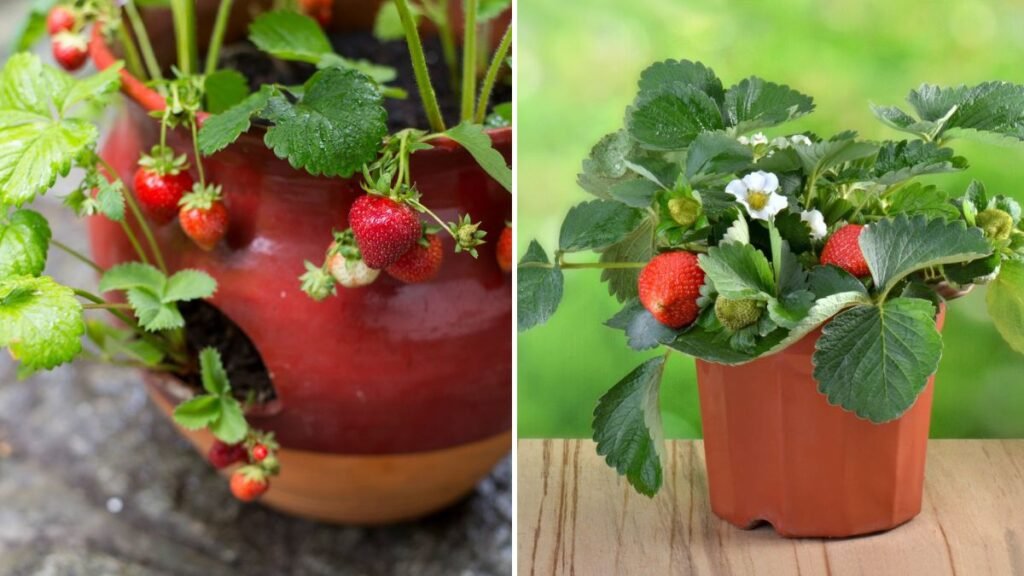
Strawberries produce runners naturally. Remove excess runners for better fruiting. Allow some runners for propagation. Runners drain plant energy. Managing runners improves yield. Direct runners into pots if needed. Control growth carefully. Balance ensures productivity.
Pollination and Flower Care
Strawberries require pollination for fruit formation. Bees and insects help naturally. Gentle shaking aids indoor plants. Healthy flowers produce better fruits. Avoid pesticide use during flowering. Proper airflow supports pollination. Good care ensures full berries.
Protecting from Pests
Birds love strawberries. Use netting for protection. Slugs and snails can be harmful. Handpick pests early. Use organic deterrents. Inspect plants frequently. Healthy plants resist damage. Prevention reduces losses.
Preventing Diseases
Ensure good drainage. Avoid overcrowding. Remove diseased leaves promptly. Rotate crops annually. Avoid overhead watering. Use disease-resistant varieties. Clean tools regularly. Healthy habits prevent infections.
Growing Strawberries in Containers
Use shallow wide containers. Ensure drainage holes. Hanging baskets work well. Water more frequently. Fertilize lightly. Containers reduce soil diseases. Ideal for small spaces. Easy to manage and harvest.
Seasonal Care for Strawberries
Protect plants during extreme heat. Provide shade if needed. Mulch heavily in winter. Reduce watering during dormancy. Remove dead leaves seasonally. Seasonal care extends plant life. Healthy plants produce longer. Adapt care to climate.
Harvesting Strawberries Properly
Harvest when fully red. Pick gently with stems attached. Avoid pulling plants. Morning harvest gives best flavor. Regular picking encourages more fruit. Handle carefully to avoid bruising. Fresh berries taste better. Timely harvest is crucial.
Storing and Preserving Strawberries
Strawberries are delicate fruits. Refrigerate immediately after harvest. Do not wash before storage. Use within a few days. Freeze for long-term use. Drying is also possible. Proper storage reduces waste. Preserve nutrients effectively.
Common Growing Mistakes
Overwatering causes root rot. Lack of sunlight reduces sweetness. Ignoring pests leads to losses. Crowded planting spreads disease. Poor soil weakens plants. Observing plants daily helps. Learning prevents repeat errors. Consistency ensures success.
Strawberry Growing Summary Table
| Aspect | Recommendation | Benefit |
| Soil | Light compost-rich soil | Healthy roots |
| Sunlight | Six hours minimum | Sweeter fruits |
| Water | Consistent moderate | Bigger berries |
| Mulch | Straw or dry leaves | Clean fruits |
| Container | Wide shallow pots | Better spread |