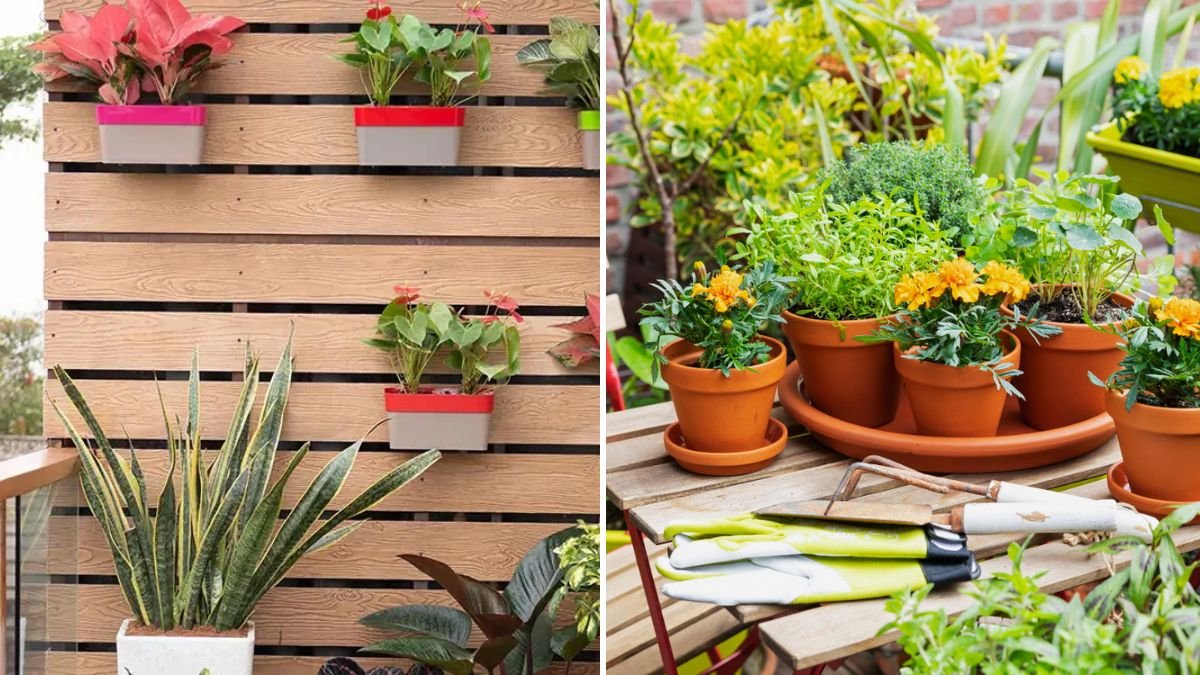
A suspended garden system allows plants to grow above ground. It is ideal for small homes and urban spaces. Hanging gardens save floor space efficiently. They improve air circulation around plants. Suspended systems reduce soil-borne diseases. They add beauty and greenery vertically. This method suits balconies and terraces. Proper planning ensures success.
Benefits of a Suspended Garden
Suspended gardens maximize unused vertical space. They improve sunlight exposure evenly. Pest control becomes easier. Water drainage improves naturally. Maintenance is more convenient. Plants grow cleaner without soil splashing. Decorative appeal increases instantly. Productivity improves in small areas.
Choosing the Right Location
Select a place with strong support. Sunlight availability is crucial. Avoid areas with heavy wind. Balconies and pergolas work well. Indoor spaces need bright windows. Overhead beams must be sturdy. Accessibility simplifies maintenance. Location determines longevity.
Selecting Suitable Plants
Lightweight plants work best. Herbs and leafy vegetables thrive. Strawberries and cherry tomatoes adapt well. Avoid heavy root crops. Choose shallow-rooted varieties. Compact plants prevent overload. Climate suitability matters. Proper selection prevents failure.
Types of Suspended Systems
Hanging pots are simplest. Vertical pipe systems are popular. Tiered basket systems save space. Fabric grow bags reduce weight. Wooden frames add strength. Recycled containers work creatively. Modular systems allow expansion. Choose based on space.
Materials Required
Strong hooks and chains are essential. Use rust-resistant materials. Lightweight containers prevent strain. Coconut coir liners help drainage. Nylon ropes last longer outdoors. Proper anchors ensure safety. Quality materials increase durability. Safety must be prioritized.
Preparing the Soil Mix
Use lightweight soil mixtures. Combine compost and coco peat. Avoid heavy garden soil. Add perlite for aeration. Soil must drain quickly. Nutrient balance is important. Healthy roots grow freely. Good soil prevents rot.
Installing the Suspension
Secure hooks into concrete or beams. Test weight capacity before planting. Hang containers evenly spaced. Maintain balanced height alignment. Avoid overcrowding pots. Ensure ease of watering. Proper installation prevents accidents. Stability is critical.
Watering Suspended Plants
Suspended plants dry faster. Water more frequently but lightly. Morning watering is ideal. Drip systems work efficiently. Avoid water dripping hazards. Monitor moisture daily. Consistent hydration supports growth. Overwatering should be avoided.
Fertilizing in Suspended Gardens
Nutrients leach faster in hanging systems. Use liquid organic fertilizers. Apply small doses regularly. Compost tea is effective. Avoid chemical buildup. Balanced feeding improves foliage. Healthy nutrition supports productivity. Monitor plant response.
Sunlight Management
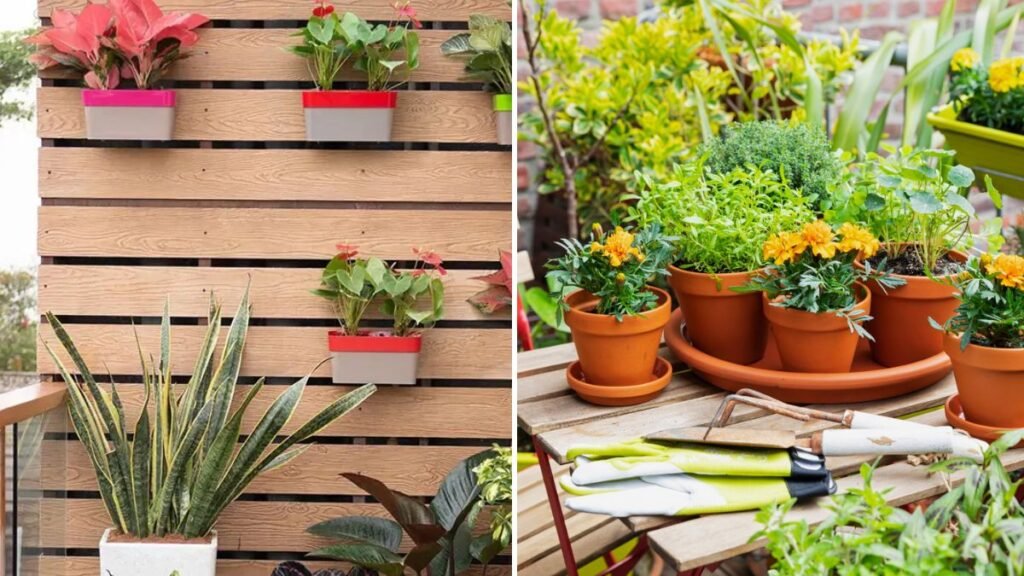
Rotate containers weekly. Ensure equal sun exposure. Prevent leaf scorching. Shade cloth helps in summer. Indoor systems need grow lights. Balanced light improves growth. Uneven sunlight reduces yield. Observation is important.
Pest and Disease Control
Suspended plants face fewer soil pests. Aphids may still appear. Use neem oil spray. Inspect leaves weekly. Remove infected parts early. Good airflow prevents fungus. Prevention reduces damage. Organic methods are best.
Pruning and Training Plants
Trim excess growth regularly. Encourage bushy structure. Remove dead leaves. Train vines gently. Prevent overcrowding. Pruning improves airflow. Supports healthy fruiting. Maintenance enhances beauty.
Seasonal Care Adjustments
Protect from heavy rain. Move indoors during storms. Reduce watering in winter. Adjust feeding schedules. Monitor temperature changes. Seasonal care extends plant life. Adaptation ensures survival. Flexibility is key.
Decorative Design Tips
Mix plant colors creatively. Use uniform containers for harmony. Stagger heights for visual depth. Add fairy lights carefully. Combine flowers and edibles. Balance aesthetics and function. Attractive gardens feel inviting. Design matters.
Common Mistakes to Avoid
Overloading hooks causes accidents. Using heavy soil damages roots. Ignoring drainage leads to rot. Inadequate sunlight weakens plants. Poor spacing limits airflow. Learning from mistakes helps success. Attention prevents failure.
Maintenance Schedule
Check moisture daily. Fertilize biweekly. Prune monthly. Inspect supports regularly. Clean containers seasonally. Replace worn ropes. Consistent care ensures health. Routine builds success.
Environmental Benefits
Suspended gardens cool surroundings. Improve air quality. Reduce urban heat. Encourage sustainable living. Promote food independence. Reduce carbon footprint. Support biodiversity. Small gardens make big impact.
Suspended Garden Summary Table
| Aspect | Recommendation | Benefit |
| Support | Strong hooks and beams | Safety |
| Plants | Lightweight herbs and vegetables | Easy growth |
| Soil | Coco peat and compost | Better drainage |
| Water | Frequent light watering | Healthy roots |
| Space | Vertical arrangement | Maximum use |